E-mail

Sale01@epoxyresinfactory.com
sale04@epoxyresinfactory.com

Contact

Tel: 86-755-84875752
Fax: 86-755-84875750

Address

4F,Longyuntong Building, No. 164-5 Pengda Road, Longgang District, Shenzhen

Author name: ZDS Adhesive

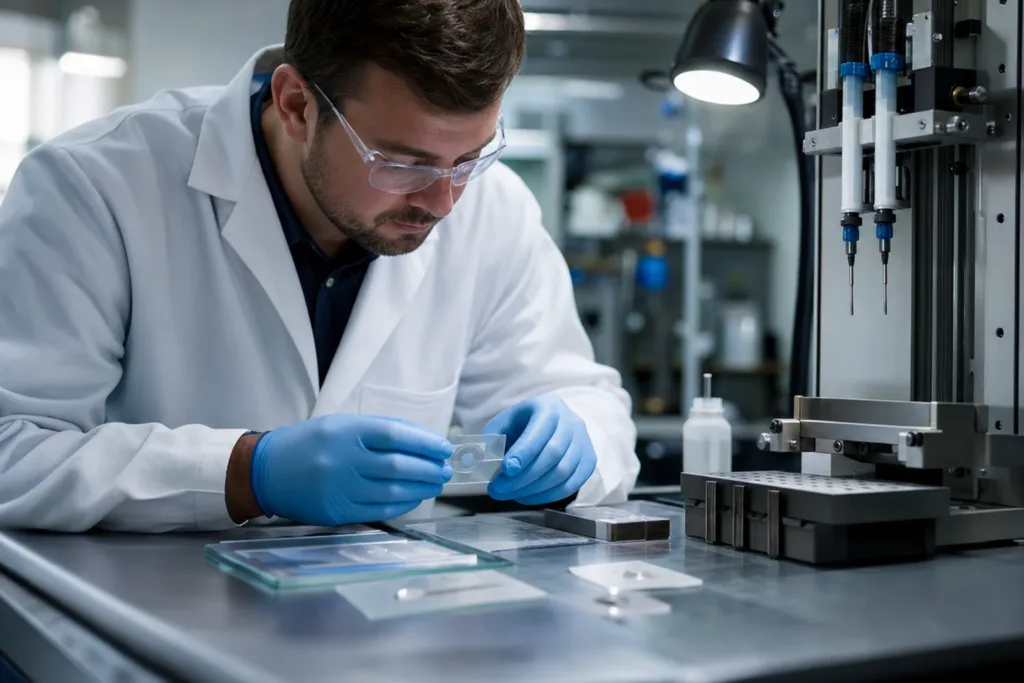
A realistic manufacturing lab scene showing formulation review and sample testing for solvent-borne adhesive development.

Why Solvent-Based Adhesives Still Matter in Modern Industrial Manufacturing

Solvent based adhesive systems are still part of modern manufacturing because some jobs are not defined by low odor or minimal emissions alone; they are defined by wet-out, fast handling, strong initial tack, and dependable bonding on difficult surfaces. In production environments where large-area lamination, contact bonding, or uneven substrates are involved, a well-chosen solvent […]

Why Solvent-Based Adhesives Still Matter in Modern Industrial Manufacturing Read More »

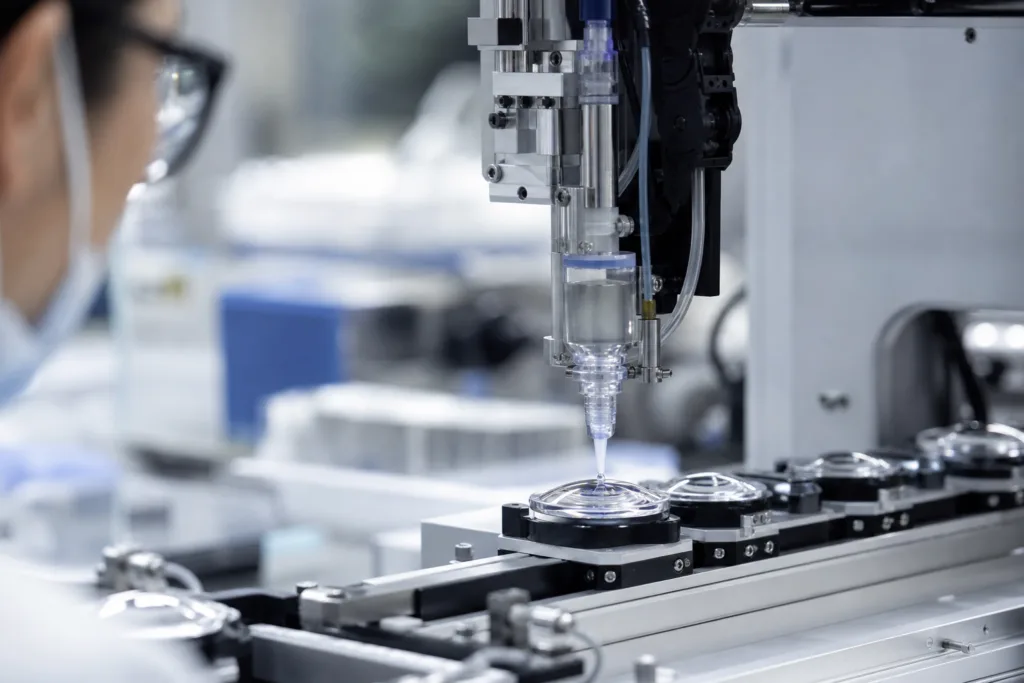
An advanced automotive camera module being assembled with active alignment UV adhesive under bright, clean manufacturing conditions.

7 Reasons Active Alignment UV Adhesives Are Revolutionizing Automotive Camera Assembly in 2026

Introduction: Precision Drives the Future of Automotive Cameras Automotive cameras are at the very core of modern driver assistance systems (ADAS), 360-degree imaging, and autonomous vehicle safety. Achieving the highest image quality and sensor reliability depends not only on camera design but also on the precise assembly of optical components. This is where Active Alignment

7 Reasons Active Alignment UV Adhesives Are Revolutionizing Automotive Camera Assembly in 2026 Read More »

A clean adhesive formulation laboratory scene showing waterborne adhesive development and sample evaluation.

Water-Based Adhesives: Performance Boundaries, Best Applications, and Selection Criteria

Water-based adhesive systems have become a practical choice in many industrial bonding lines because they can combine workable open time, cleaner handling, and lower emissions with acceptable bond performance on the right substrates. For buyers and engineers, the real question is not whether a water based adhesive is “good” in general, but where it fits,

Water-Based Adhesives: Performance Boundaries, Best Applications, and Selection Criteria Read More »

A technical close-up of a polyurethane potting procedure showing defoamer integration. Lighting and composition emphasize bubble control in an industrial setting.

Stop Bubbles in PU Potting: Your Ultimate Guide to Defoamer Selection

Introduction: Why Defoamers Matter in PU Potting Bubbles in polyurethane (PU) potting can lead to weak encapsulation, moisture ingress, and reliability failures in electronic assemblies. Choosing the right defoamer is not just about bubble-free surfaces—it’s about long-term performance and production yield. In this article, we’ll explore Preventing Bubbles in PU Potting: Defoamer Selection using practical

Stop Bubbles in PU Potting: Your Ultimate Guide to Defoamer Selection Read More »

A professional view of semiconductor packages with adhesives applied, featuring MSL (Moisture Sensitivity Level) labels indicating protective handling procedures.

Master Moisture Sensitivity: 9 Critical Steps for Adhesive Selection in Semiconductor Packaging

Understanding Moisture Sensitivity, Adhesive Selection: The Foundation of Reliable Semiconductor Packaging Moisture Sensitivity Level (MSL) is a critical factor in semiconductor packaging—one that directly guides adhesive selection and determines long-term device reliability. This article explores how closely moisture sensitivity, adhesive chemistry, and process controls are connected. Failing to align adhesives to a component’s MSL can

Master Moisture Sensitivity: 9 Critical Steps for Adhesive Selection in Semiconductor Packaging Read More »

A realistic laboratory scene showing epoxy sample evaluation and structural bond testing for industrial applications.

How High-Strength Epoxy Adhesives Create Reliable Structural Bonds in Industrial Applications

High-strength epoxy systems are widely used when an assembly needs more than basic bonding: they must carry load, resist vibration, hold alignment, and keep performing after heat, moisture, and production stress. For engineers and procurement teams, the real question is not whether an epoxy can bond two parts, but whether the bond will remain reliable

How High-Strength Epoxy Adhesives Create Reliable Structural Bonds in Industrial Applications Read More »

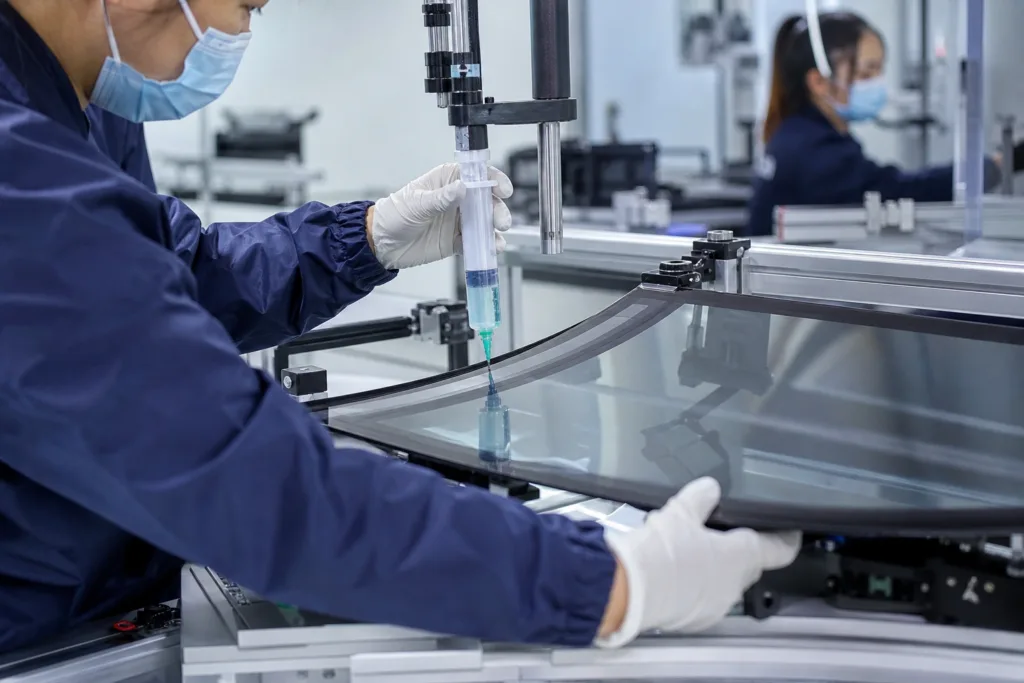
A technical scene highlighting precise adhesive application during LiDAR window assembly in a controlled automotive environment.

Low-Shrinkage Adhesives for LiDAR Window Assembly: 7 Game-Changing Benefits for Precision Automotive Sensors

Introduction to Low-Shrinkage Adhesives for LiDAR Window Assembly As vehicle technology advances, the precision and reliability of LiDAR systems play a crucial role in automotive safety and automation. One invisible factor driving this innovation: low-shrinkage adhesives for LiDAR window assembly. Unlike traditional bonding solutions, these adhesives significantly reduce dimensional changes during curing, keeping optical paths

Low-Shrinkage Adhesives for LiDAR Window Assembly: 7 Game-Changing Benefits for Precision Automotive Sensors Read More »

A professional display production line showing engineers using optically clear adhesive to assemble layered screens. Cleanroom setting conveys technical accuracy.

OCA vs LOCA: Decoding the Clear Choice for Displays and Electronics

Introduction: OCA and LOCA Explained—Why Optical Adhesives Matter Modern electronics—think smartphones, tablets, camera modules, and automotive screens—all rely on optically clear glue to keep their displays sharp, durable, and functional. These optical adhesives minimize light scattering and enhance durability by bonding layers together without visible seams or haze. Two of the most common solutions are

OCA vs LOCA: Decoding the Clear Choice for Displays and Electronics Read More »

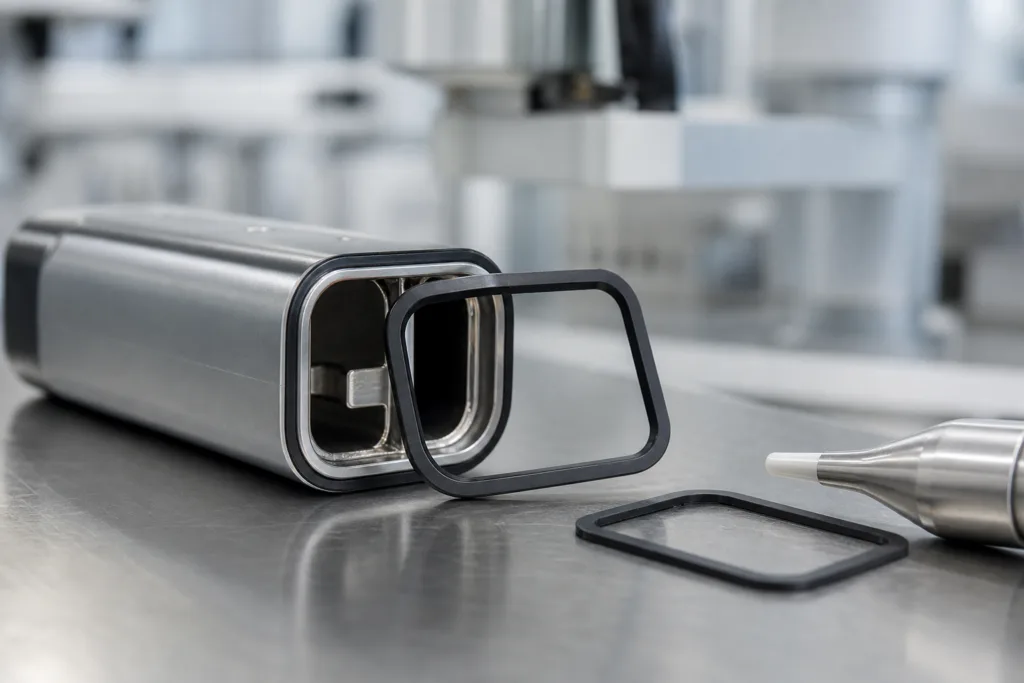
A high-resolution image showing silicone gel applied to a metal module for stress-sensitive protection. Laboratory lighting highlights the gel's transparency and flexible properties.

Innovative Silicone Gel Solutions: How to Protect Metal Components from Stress Damage

Understanding Silicone Gels in Stress-Sensitive Component Protection Silicone gels for stress-sensitive component protection offer remarkable solutions in modern manufacturing, especially when it comes to metal products and delicate electronics. These innovative gels safeguard assemblies from harm caused by mechanical stress, moisture, and temperature swings. By forming a flexible, cushioned barrier, silicone gels not only enhance

Innovative Silicone Gel Solutions: How to Protect Metal Components from Stress Damage Read More »

A laboratory setting displays a clear silicone encapsulant covering an LED chip, highlighting its optical clarity and refractive behavior in modern LED packaging.

How Silicone’s Refractive Index Powers the Next Generation of LED Packaging

Understanding Silicone Refractive Index in LED Packaging When it comes to LED packaging, the choice of encapsulant material just might be the unsung hero behind device efficiency and reliability. Silicone, a trusted performer in many optoelectronic applications, stands out largely because of its refractive index — a property dictating how light moves from the LED

How Silicone’s Refractive Index Powers the Next Generation of LED Packaging Read More »

Image depicts thermal epoxy adhesive being applied to electronics modules, highlighting precision in industrial assembly and effective heat transfer.

Thermal Epoxy vs Softer Thermal Materials: Real-World Pros, Cons & Application Guide

Introduction: Unlocking Performance with Thermal Epoxy Adhesive Guide: Pros, Cons, and Where It Works Best Thermal epoxy adhesives are vital in modern electronics, lighting, and industrial equipment. But how do you know if thermal epoxy is the right choice versus softer thermal materials or mechanical fasteners? In this comprehensive Thermal Epoxy Adhesive Guide: Pros, Cons,

Thermal Epoxy vs Softer Thermal Materials: Real-World Pros, Cons & Application Guide Read More »

A close-up, well-lit image of an epoxy-coated and stainless steel charging station on a dock, built for corrosion protection in marine environments.

9 Essential Strategies for Effective Corrosion Protection for Coastal/Marine Charging Stations (2026 Guide)

Introduction: Why Corrosion Protection for Coastal/Marine Charging Stations Matters Charging stations along coastlines and marine environments face a tough battle—constantly exposed to salt mist, humid air, and direct splash. Corrosion, left unchecked, can rapidly turn cutting-edge EV infrastructure into unreliable, failure-prone liabilities. As electrification expands to every harbor and beachfront, corrosion protection for coastal/marine charging

9 Essential Strategies for Effective Corrosion Protection for Coastal/Marine Charging Stations (2026 Guide) Read More »

Shows technician using thermal conductive adhesive glue on a heat sink for electronics. Lighting is bright and clear, showcasing process detail.

Thermal Conductive Adhesives: 7 Essential Rules for Heat Management in Electronic Assemblies

Introduction: Why Heat Management Matters With rapidly advancing electronic and electrical systems in 2026, engineers face mounting demands for both performance and durability. The selection of thermally conductive adhesives—including epoxy, silicone, and acrylic chemistries—is critical for effective heat management and reliable assembly. This guide explores how properties like thermal conductivity, bond line thickness, dispensing behavior,

Thermal Conductive Adhesives: 7 Essential Rules for Heat Management in Electronic Assemblies Read More »

A photo-realistic scene showing IGBT/MOSFET modules surrounded by high-temp silicone encapsulant under well-lit factory conditions, highlighting technical application.

The Complete 2026 Guide: How High-Temp Encapsulants Protect Power Module Reliability for IGBT/MOSFET

Introduction: The Role of High-Temp Encapsulants for Power Modules (IGBT/MOSFET) Power electronics drive modern technology—from electric vehicles to renewable energy systems. As these systems push ever-higher voltages and power densities, the thermal and environmental demands on their critical components multiply. This is especially true for Insulated-Gate Bipolar Transistors (IGBTs) and Metal-Oxide-Semiconductor Field-Effect Transistors (MOSFETs), which

The Complete 2026 Guide: How High-Temp Encapsulants Protect Power Module Reliability for IGBT/MOSFET Read More »

An urban EV charger with metal and plastic panels cleanly bonded using high impact adhesives, illustrating robust anti-vandalism protection.

How High Impact Adhesives Prevent Vandalism at Public Charging Stations (Expert Guide 2026)

Introduction: Why Anti-Vandalism Matters for Public Chargers Public charging stations—critical for today’s EVs and smart devices—face a harsh reality: vandalism. Broken faceplates, pried-open panels, and tampered with wiring cost cities thousands and frustrate users. That’s why Anti-Vandalism: High Impact Adhesives for Public Chargers isn’t simply about glue; it’s an engineering solution making or breaking public

How High Impact Adhesives Prevent Vandalism at Public Charging Stations (Expert Guide 2026) Read More »

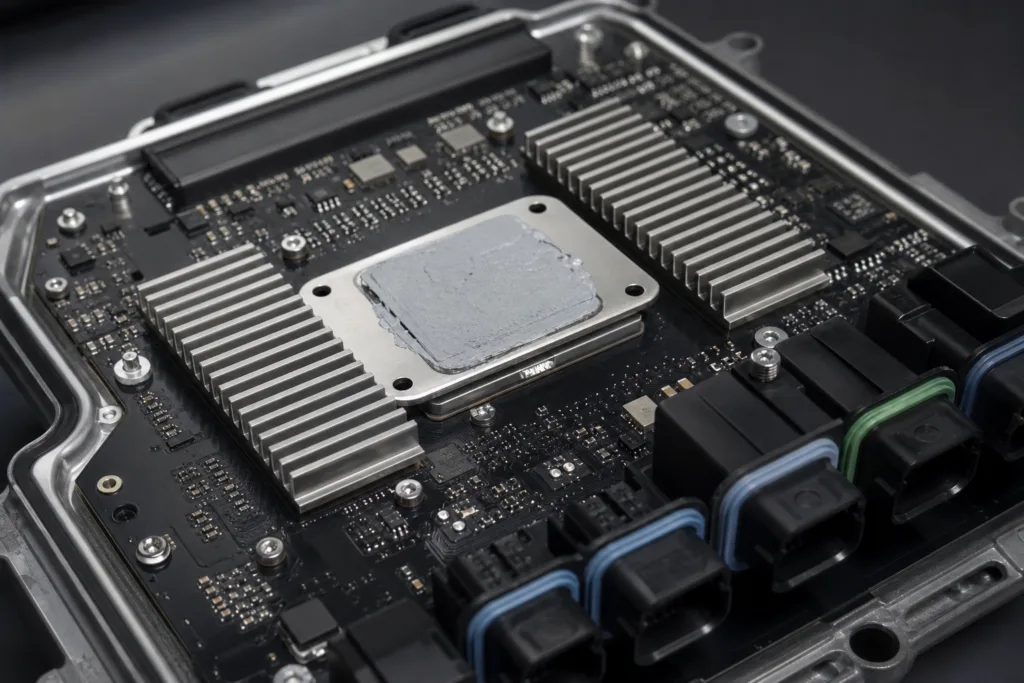
Thermal grease application between a processor and heatsink demonstrates effective heat dissipation in electronics manufacturing, emphasizing the hands-on nature and importance of interface quality.

Breakthrough Insights: Thermal Grease vs. Thermal Pads—2026 Performance Comparison for Heat Dissipation

Introduction: Why Thermal Interface Materials Matter Thermal interface materials are essential for effective heat dissipation in modern electronics. As devices run faster and hotter, engineers weigh options like thermal grease and thermal pads for optimal cooling. This detailed comparison of thermal grease vs. thermal pads: performance comparison explores their properties, real-world application ease, longevity, costs,

Breakthrough Insights: Thermal Grease vs. Thermal Pads—2026 Performance Comparison for Heat Dissipation Read More »

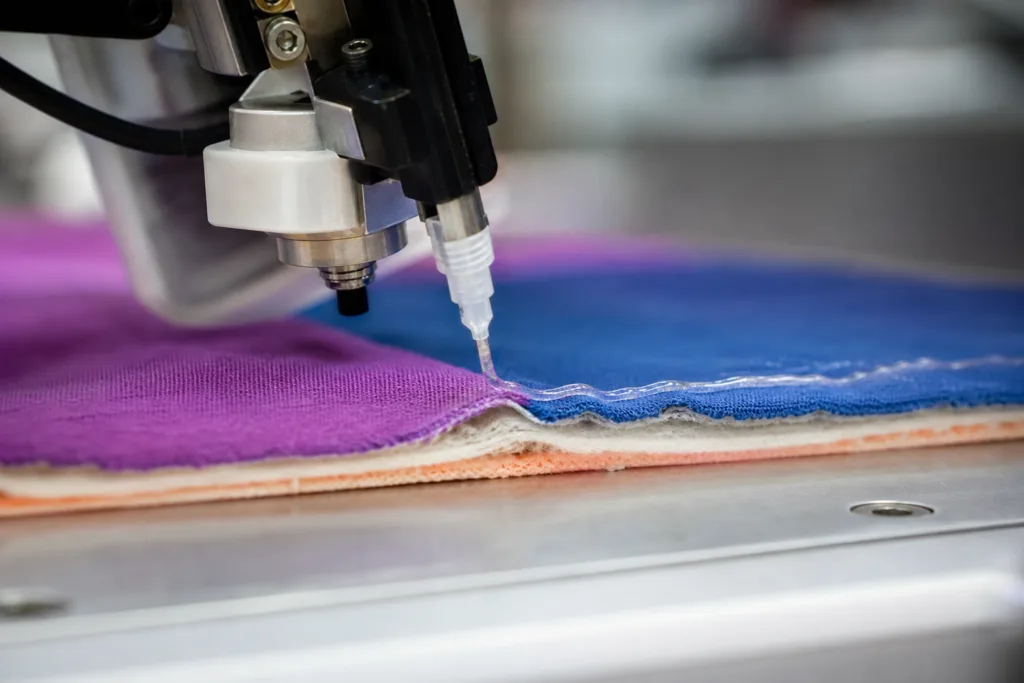
A high-resolution image showing how conductive adhesive is precisely dispensed onto flexible or rigid electronic assemblies, demonstrating its use where solder is unsuitable.

When Conductive Adhesive Outshines Solder: Surprising Wins for Electronics Assembly

Understanding Conductive Adhesives in Modern Electronics Conductive adhesives, often called conductive adhesive glue or electric glue, are specialized bonding agents that allow electrical current to pass through bonded connections. Unlike traditional insulative glues, these materials incorporate conductive fillers—often silver, carbon, or copper—to create electrically active pathways wherever they’re applied. For many years, soldering dominated the

When Conductive Adhesive Outshines Solder: Surprising Wins for Electronics Assembly Read More »

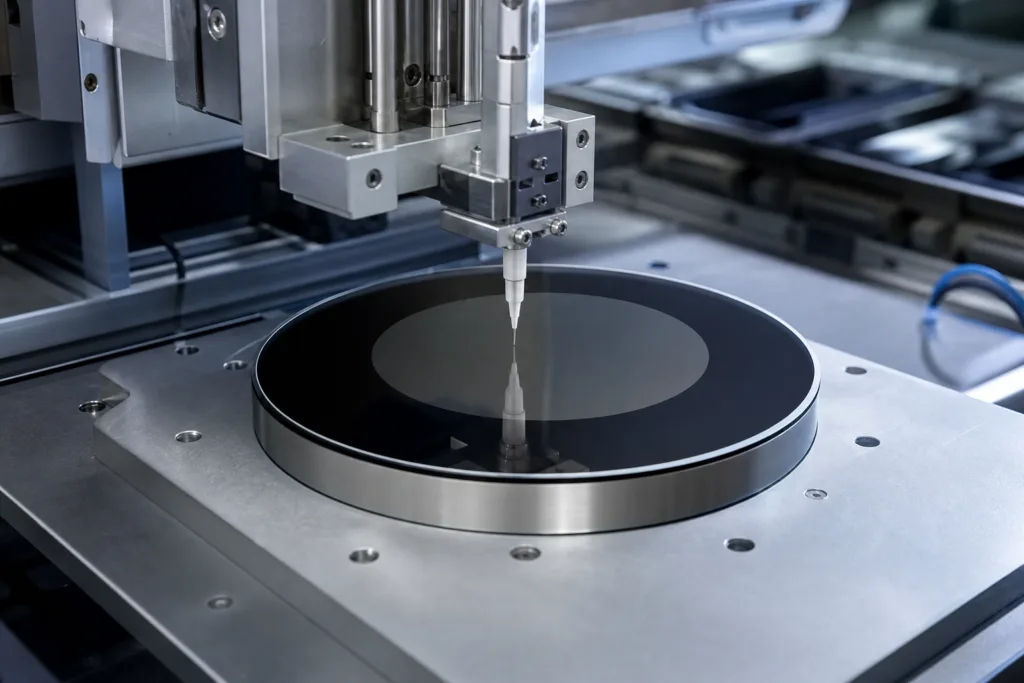
This image captures the intricate process of applying EMI shielding pastes to SiP structures, emphasizing the importance of precision in preventing electromagnetic interference in compact electronic packaging.

How EMI Shielding Pastes Empower Next-Gen System-in-Package (SiP) Electronics

Introduction: Why EMI Shielding Pastes Matter in System-in-Package (SiP) Electronics Electromagnetic interference, commonly known as EMI, poses a major threat to the functionality and reliability of compact electronic devices. As modern gadgets become smaller, faster, and more densely packed thanks to System-in-Package (SiP) integration, the need for robust EMI shielding solutions has never been greater.

How EMI Shielding Pastes Empower Next-Gen System-in-Package (SiP) Electronics Read More »

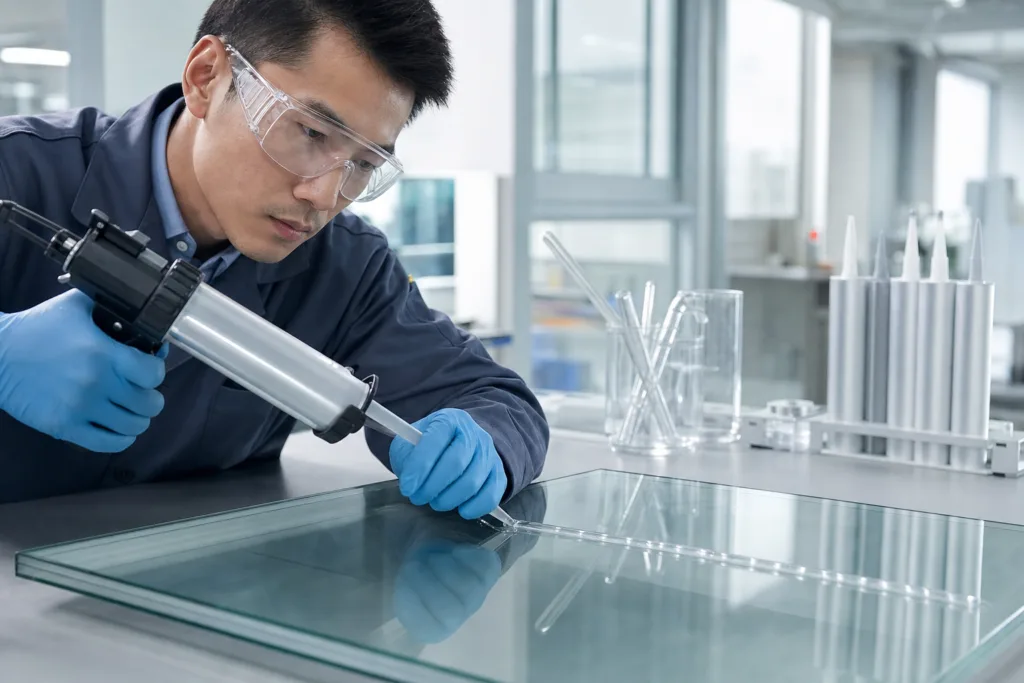
A technician applies clear plastic sealant, demonstrating proper bonding and gap filling during assembly—key for sealing and waterproofing joints.

How to Pick the Right Plastic Sealant: 7 Real Assembly Compromises

Introduction: The Complete Plastic Sealant Guide for Bonding, Sealing, and Waterproofing Plastic sealants have become indispensable across manufacturing, repair, and DIY projects. Yet, when it comes to bonding, sealing, and waterproofing plastics, there is no one-size-fits-all: some products excel at joining parts, others at leak-prevention, and few truly master both in tough environments. In this

How to Pick the Right Plastic Sealant: 7 Real Assembly Compromises Read More »

Scroll to Top

💬 Let’s Build Something Strong Together

Have a project in mind or need a reliable adhesive solution?
Our experts are ready to help — just drop us a message!

✅ Tailor-made adhesive formulations
✅ Fast lead times & global shipping
✅ Trusted by manufacturers worldwide

📩 Leave your details and let’s make it happen.
We’ll get back to you within 24 hours.

Look out for emails from @zdschemical.com.

ZDS™ Adhesive manufacturer

Free Access to Test Samples or Quote

Response time as fast as 30 minutes.

📧 Prefer a fast reply? Email us directly at: Sale01@epoxyresinfactory.com
ZDS Adhesive Manufacturer

Not Sure Which Adhesive Fits?

Our engineers are ready to help. Drop us a message.

📧 Prefer a fast reply? Email us directly at: Sale01@epoxyresinfactory.com