Introduction: Mastering the Art of Safe Debonding
Super glue, known in industry as cyanoacrylate adhesive, forms remarkably tough bonds on a variety of materials. Its rapid cure and rigid nature make removal troublesome, especially after full curing. Whether it’s an accidental spill on plastic, metal, glass, or skin, careful debonding is critical to preserve underlying surfaces. In this guide, we break down science-backed techniques for the safe removal of cured super glue, share practical advice, and deliver a stepwise approach trusted by manufacturers and repair professionals alike. By understanding the chemistry behind super glue and adopting the right debonding strategies, you can confidently tackle challenges without causing damage.
What Is Cyanoacrylate Super Glue?
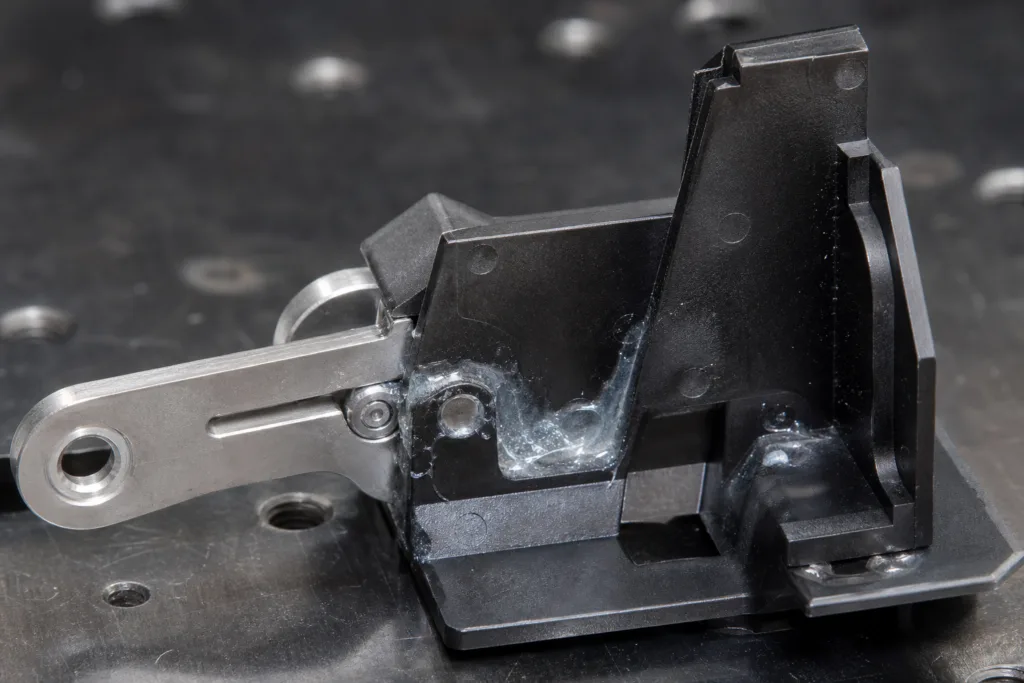
Cyanoacrylate super glue is a family of fast-acting adhesives used in everything from automotive parts to home repairs. When exposed to atmospheric moisture, the monomers polymerize almost instantly, forming a rigid plastic network between surfaces. This chemical reaction is why cyanoacrylates bond so quickly and securely, even at room temperature. Their widespread utility, however, comes with a challenge: removing the glue once it’s cured requires specialized approaches due to its strong, plastic-like finish.
The Tough Science Behind Debonding Cured Super Glue
Cured cyanoacrylates are hard, brittle polymers. They resist many mild solvents, withstand moderate heat, and can be mechanically tough to remove. They adhere tightly due to polar and covalent interactions with substrate surfaces. This makes removal a careful balancing act—enough force or chemical energy to break the glue, but not so much that it damages the base material.
Why Removal Is a Challenge Across Different Materials
Every substrate—metal, glass, plastics, composites, wood, ceramics, and even skin—reacts differently to both super glue and removal techniques. For instance, acetate-based plastics can craze upon solvent exposure, stainless steel may discolor with excessive heat, and painted surfaces risk delamination. The first rule: always test your method in a hidden area before committing to a full application.
Essential Safety Precautions for Debonding
Before jumping in, protect yourself and your work area:
- Wear gloves and eye protection when handling solvents or mechanical tools.
- Work in a well-ventilated area and avoid open flames near flammable agents.
- Keep solvents away from children and pets.
- Never use acetone or strong solvents on skin; specialized skin debonders are safer.
When to Choose Chemical, Thermal, or Mechanical Removal
Debonding strategies fall into three broad categories: chemical (solvents), thermal (heat), and mechanical (abrasion or peeling). The right choice depends on the substrate, the glue’s age, bond area, and sensitivity to damage.
Stepwise Guide: Removing Super Glue from Metal Surfaces
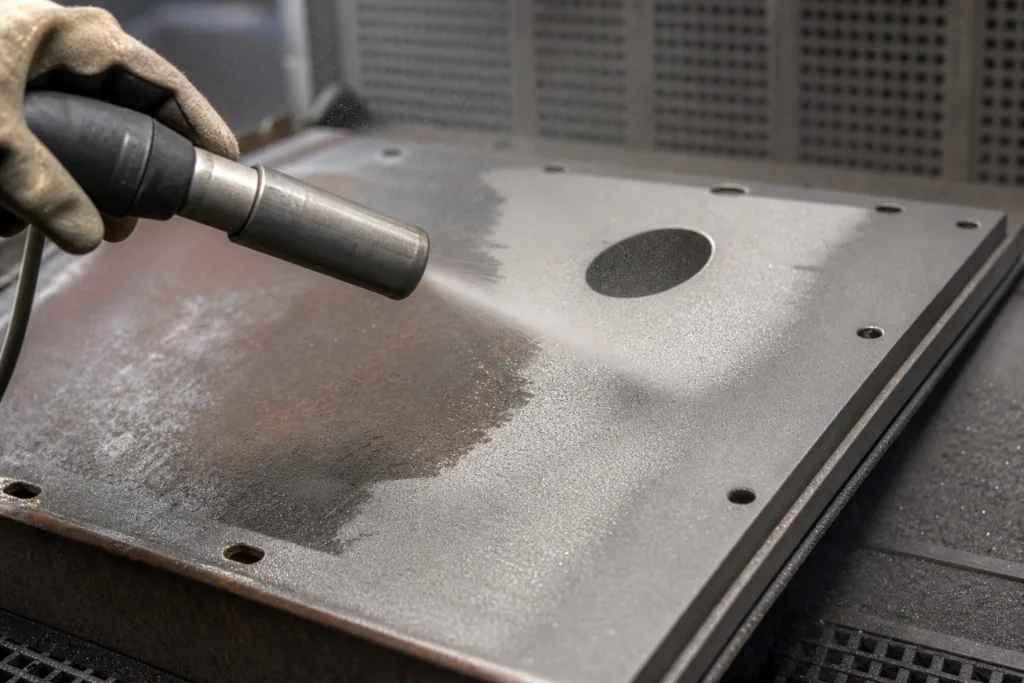
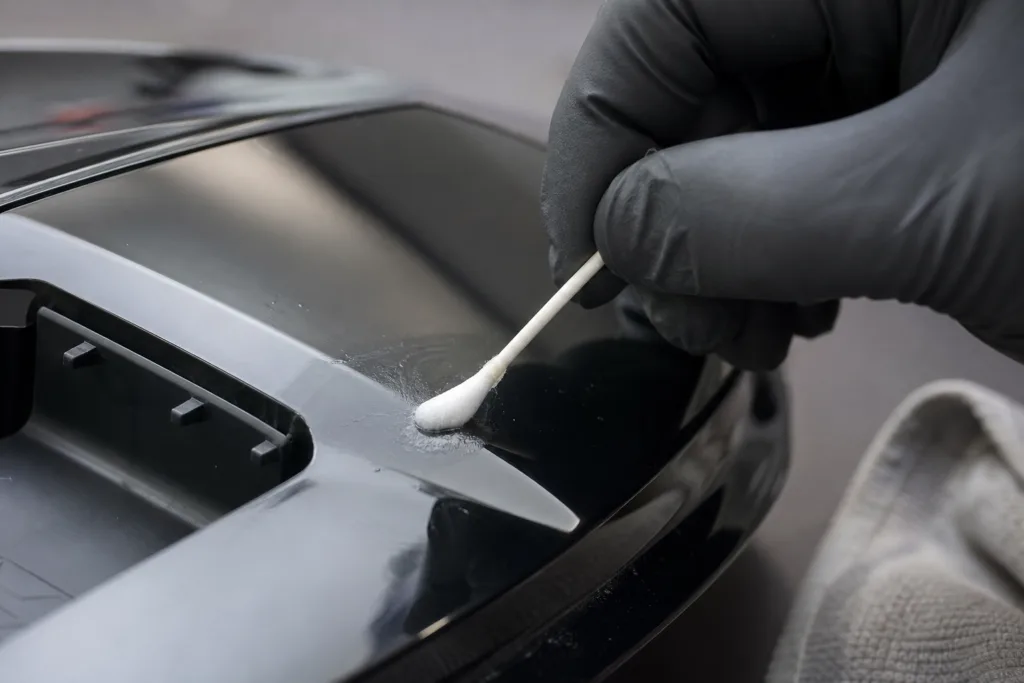
Chemical Approach: Acetone is often the first option for debonding cured super glue on metals. Apply a small amount with a cotton swab, wait several minutes, and gently scrape the softened residue using a wooden or plastic spatula.
- If acetone is unavailable, commercial adhesive removers or nitromethane-based solutions can be effective and less aggressive to finishes.
- For delicate assemblies, avoid excessive soaking that could impact other components.
Thermal Approach: Gentle heating with a hair dryer (not an open flame) can make the bond brittle without burning sensitive finishes. Once softened, the glue can often be chipped away as described above.
Removing Cured Super Glue from Plastics
Warning: Acetone and many solvents will damage or dissolve plastics such as polycarbonate or acrylic. Test on an unseen section, or use specialized “cyanoacrylate debonders” designed for plastics, which usually contain milder solvents and surfactants.
- Soak a cotton swab in the debonder, apply locally, and let it work for up to 15 minutes.
- Use a plastic spatula to gently nudge the glue away, avoiding sharp instruments than can gouge the surface.
How to Remove Super Glue from Glass and Ceramics
Glass and glazed ceramics are generally safe to treat with acetone or isopropyl alcohol. For thick glue, score the surface gently with a blade, apply solvent, and peel off fragments as the glue softens. Finish by polishing with a microfiber cloth to restore clarity.
Strategies for Debonding Super Glue from Wood and Porous Materials
Wood absorbs both glue and solvents, complicating removal. Use minimal acetone and avoid soaking. Carefully scrape excess glue once softened, then sand lightly if needed.
Safe Super Glue Removal Techniques for Skin
Never use acetone on skin. Instead, soak the affected area in warm, soapy water—use gentle rolling motions to separate bonded skin. If glue remains after repeated soaking, a skin-safe cyanoacrylate debonder or petroleum jelly can assist. Removal from fingernails or creases may take several cycles over hours.
Mechanical Removal: When and How to Apply Physical Methods
For rough, non-porous surfaces, gently scoring or scraping with a utility blade or abrasion pad speeds removal—especially after solvent or heat softening. Always work under magnification for delicate assemblies to prevent secondary damage. For electronics and sensitive optics, mechanical methods are generally discouraged.
Comparing Common Super Glue Removal Methods
| Method | Best For | Cautions | Comments |
|---|---|---|---|
| Acetone | Metal, glass, ceramics | Avoid plastics/paint | Fast-acting, evaporates quickly |
| Nitromethane-based Remover | Plastics, wood | Still test plastics | Less aggressive, slower |
| Isopropyl Alcohol | Glass, some plastics | Ineffective on older glue | Safe, slow |
| Heat | Metal parts | Avoid overheating | Useful for brittle bonds |
| Mechanical | Thick residues | Risk of surface damage | Use gently, post-solvent |
Minimizing Risk: Test, Wait, Repeat
Every material and glue bond may react differently to removal attempts. Always test in an inconspicuous spot and proceed slowly—repeat treatments are safer than aggressive single attempts. Patience minimizes costly accidents!
Expert Steps: Process for Industrial and Assembly Applications
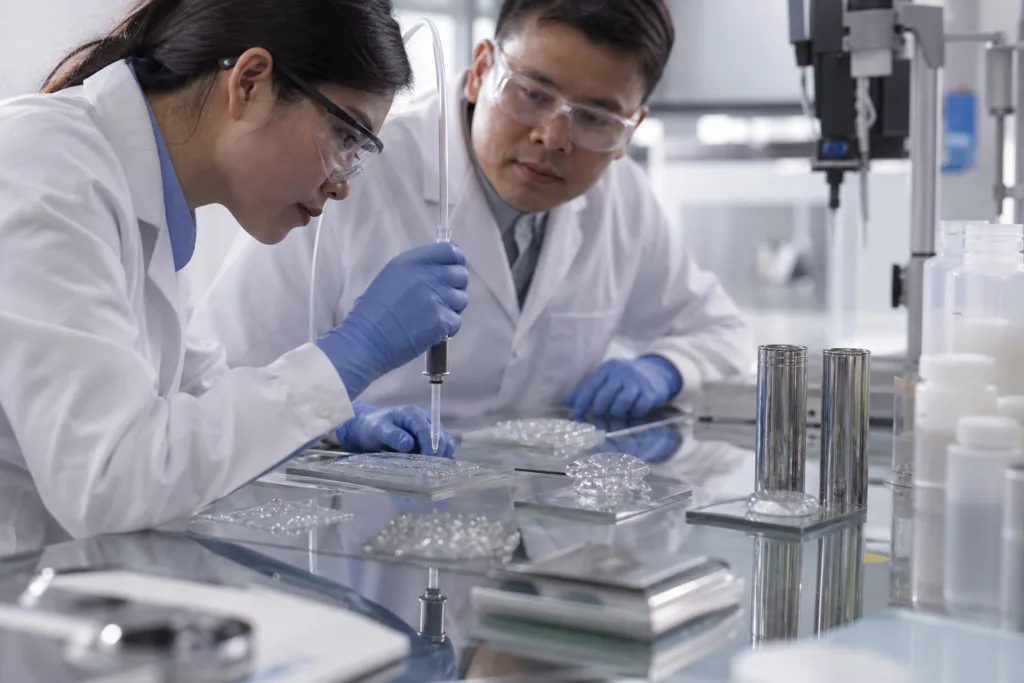
From an assembly-line viewpoint at ZDS Adhesive, an industrial adhesive manufacturer, process stability is paramount. For production debonding:
- Document the contaminated substrate type and super glue chemistry (ethyl, methyl, rubber-toughened, etc.)
- Use controlled solvent baths, monitoring exposure time and surface integrity
- Assess adhesive and substrate with lap shear or peel tests post-removal before re-assembly
- If using heat, measure temperature to stay below substrate deformation points
Special Considerations: Removing Super Glue from Electronics
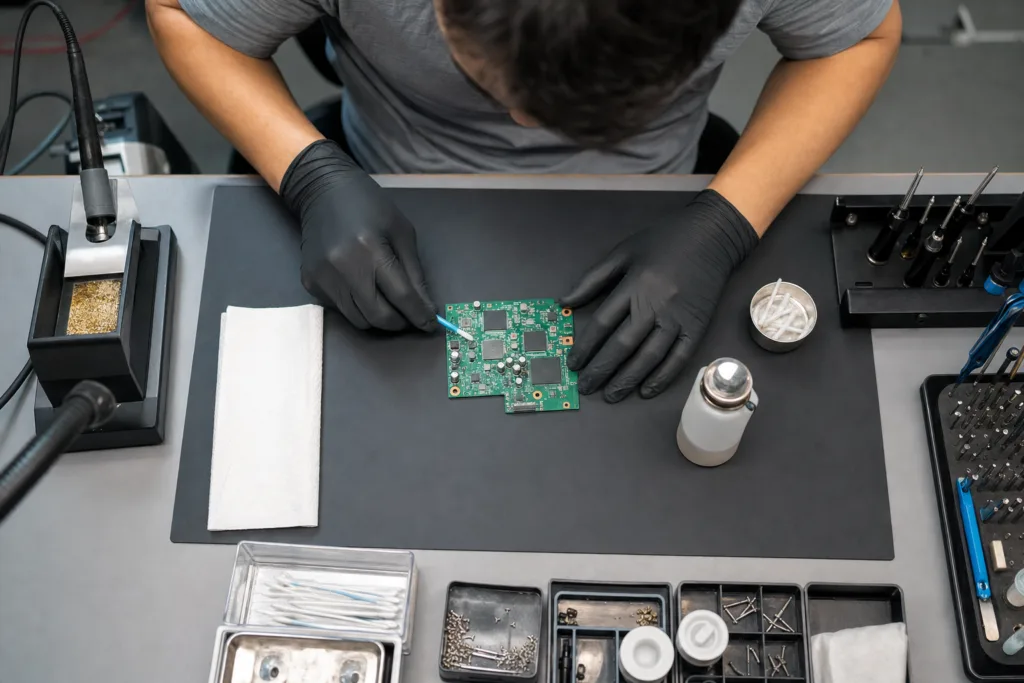
Electronics present unique challenges: solvents may infiltrate delicate circuits, and heat can damage components. Use only electronics-safe debonders, applied sparingly with micro-brushes, and ensure full drying before re-powering devices.
Debonding: Safe Removal of Cured Super Glue
To truly master super glue debonding, knowledge of cyanoacrylate behavior is key. Industrial and DIY users alike must consider the interplay of chemistry, heat, and force. In developing new removal protocols, many manufacturers incorporate gel vs liquid CA properties, favoring those that balance bond strength with controlled removability for critical assemblies.
Advanced: Selecting Removers Based on Glue Formulation
Each cyanoacrylate has unique bonds—ethyl-based for general purpose, methyl for heat resistance, rubber-toughened for shock. Removal is always easier when the remover matches the glue’s formulation. For example, nitromethane-containing removers target ethyl types, while specialized agents tackle rubber-toughened versions. When resurfacing painted components, it’s often wise to consult surface energy and compatibility guides or adhesion promoter references to ensure no long-term compromise.
What to Avoid When Removing Super Glue
- Avoid high-concentration acids or industrial-grade thinners unless specifically recommended.
- Never use open flames or excessive heat on plastics or assemblies containing gaskets/seals.
- Do not peel cured glue from skin abruptly—this may cause tears or irritation.
How to Prevent Super Glue Bonding Mishaps in the Future
Accidents are less likely with correct glue application. Tips:
- Use only the amount needed; over-applying increases wicking into unwanted areas.
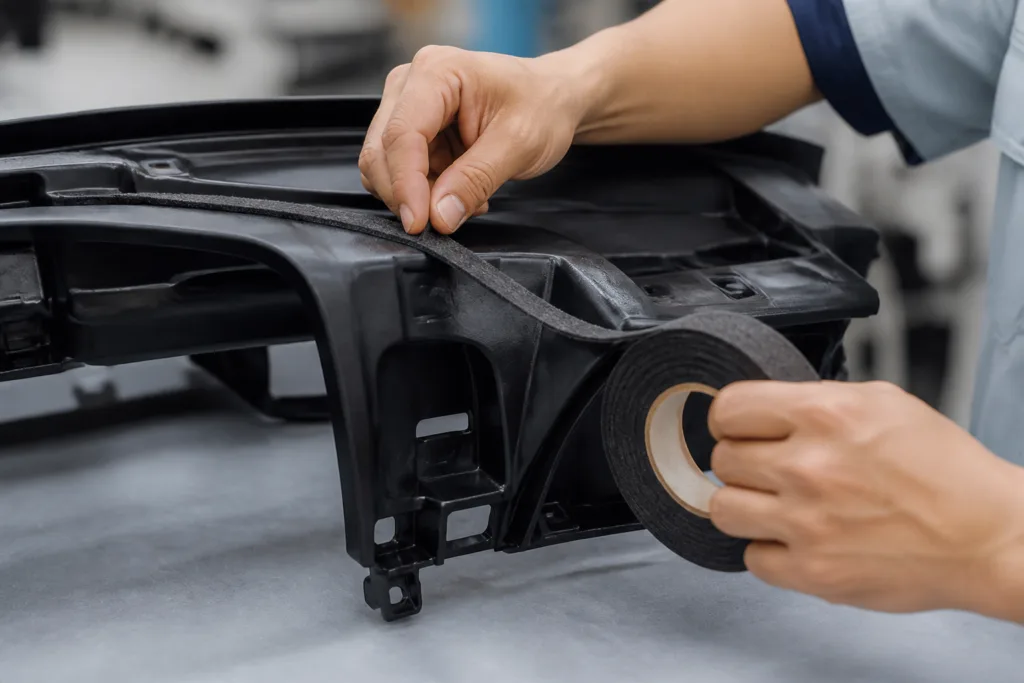
- Protect nearby surfaces with removable tapes or masks.
- Consider gel cyanoacrylates for vertical joints to reduce runoff and accidental contact. (For more insights, read our overview on low blooming, low odor super glue chemistry.)
Case Study: Debonding in Real-World Manufacturing
In industrial production, mis-bonded components are costly if not safely reclaimed. For example, when a glass display is misaligned with a plastic bezel, the process may involve:
- Controlled solvent application to edges
- Localized warming to soften bonds
- Assisted manual prying under magnification
- Verification of retained optical clarity and adhesive residue removal
This process requires not only the right solvents but also a controlled approach to prevent stress or breakage—a fundamental practice at ZDS Adhesive for process reliability.
Summary Table: Key Do’s and Don’ts for Debonding
| Do | Don’t |
|---|---|
| Test the method on a small area | Rush removal on sensitive materials |
| Use PPE & ventilated spaces | Mix different chemical removers |
| Use substrate-compatible solvents | Apply open flame to plastic parts |
| Be patient, repeat as necessary | Force glue removal from skin |
Conclusion: Safe Super Glue Removal Is Always Achievable
Mastering the debonding of cured super glue is essential, whether on the manufacturing floor or during home repairs. The science is clear: correct solvent selection, gentle application of heat, and cautious mechanical effort can remove adhesive residues effectively without harming valuable substrates. With attention to testing, safety, and process discipline—as practiced by industrial adhesive experts—users can resolve even the toughest super glue mishaps. The confidence gained from a successful removal process will save time, money, and materials with every application.
Frequently Asked Questions
Is acetone safe for all surfaces when removing super glue?
No, acetone can damage many plastics and some painted surfaces. Always test on a small, hidden area before using extensively.
What is the safest way to remove super glue from skin?
Soak the area in warm, soapy water and gently rub; for stubborn spots, use petroleum jelly or a skin-safe debonder. Never use acetone on skin.
Can heat alone remove cured super glue?
Heat makes some cyanoacrylate bonds brittle, making mechanical removal easier, especially on metals. For plastics, be cautious—excess heat can deform materials.
Are there specialty removers for specific glue formulations?
Yes, nitromethane-based removers are designed for cyanoacrylates, and some industrial agents target specific types like rubber-toughened or methyl-based adhesives.
What should I do if super glue gets on electronics?
Use electronics-safe debonders sparingly, avoid excess moisture, and let the assembly dry completely before restoring power.
Which method is best for delicate items like jewelry or optics?
Mild solvents (tested first), minimal abrasion, and patience. Use cotton swabs and magnification for precision, and avoid anything that risks scratching or residue.
Related Reading
- Clear Bonding Solutions: A Guide to High Optical Clarity & Strength
- How High-Temperature Instant Adhesives Perform in Extreme Conditions
- Flexible Instant Adhesives: Enhance Lightweight Assembly Success
- Medical vs Industrial Super Glues: 2026 Safety Insights
- Unlock Fast Bonding: 11 Expert Ways to Use Activators with Instant Adhesives