Introduction: Unlocking the Power of Activators in Instant Adhesive Metal Bonding
Metal assemblies often demand speed, strength, and reliability—which is why instant adhesives, especially cyanoacrylates, are a go-to solution in modern manufacturing and repair. Yet, when time pressures mount or a substrate resists traditional curing, activators become essential allies for accelerating cure times and enhancing bond quality. This article unpacks the real-world chemistry and tactics behind using activators to speed up instant adhesive cure, with a focus on tough metal bonding scenarios. We’ll tackle the underlying science, commercial best practices, and everyday safety checks that empower engineers and technicians to conquer bottlenecks and boost line throughput.
What Are Activators for Instant Adhesives?
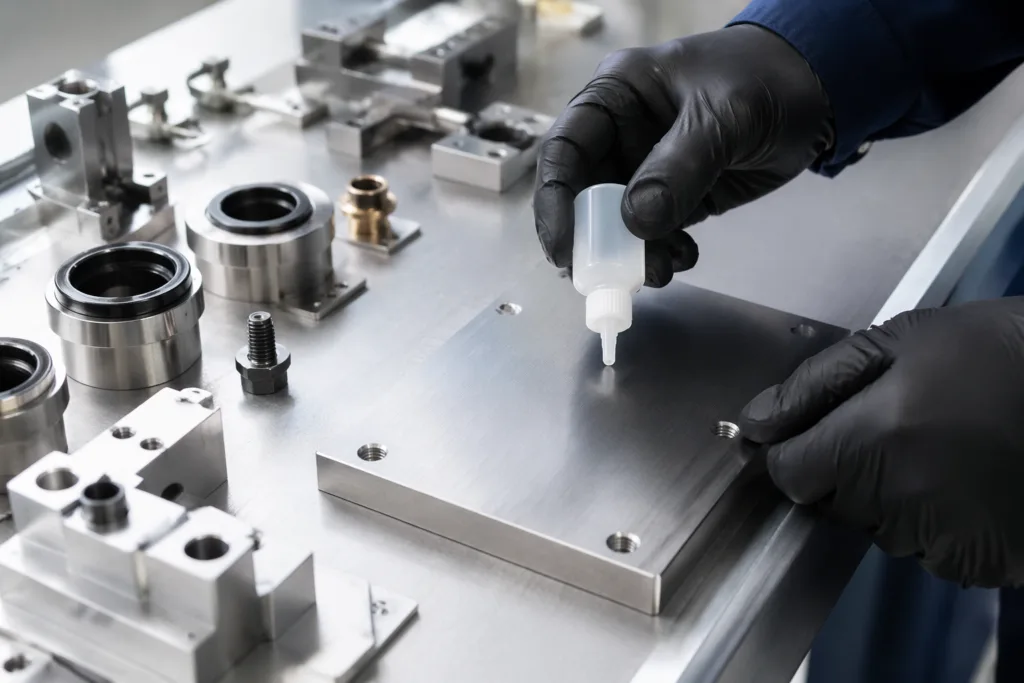
Activators—sometimes called primers or accelerators—are specialty chemicals that kick-start or amplify the curing reaction of instant adhesives, mainly cyanoacrylates. When bonding metals, these surface agents can be the difference between a sluggish fixture time and a snap-cure process that holds up under real-world stress. Their use spans electronics, medical device assembly, automotive manufacturing, and more. Activators can be applied by spray, brush, or dip, creating an ideal surface that lets instant adhesives achieve reliable results much faster than they would on their own.
How Do Activators Speed Up Cure on Metals?
Instant adhesives cure when they come into contact with moisture and trace amounts of surface basicity, but metals often lack enough surface activity for rapid polymerization. Activators change the game by:
- Depositing catalytic agents or mild alkaline residues
- Neutralizing surface acidity or passivation layers (often found on aluminum, stainless steel, and nickel alloys)
- Enhancing surface wetting for even adhesive spreading
This chemical jump-start cuts fixture times from minutes to mere seconds—critical for assemblies with tight tolerances or automated production needs.
Types of Activators: Which Is Right for Your Metal Bonding?
Common activator formulations for instant adhesives include:
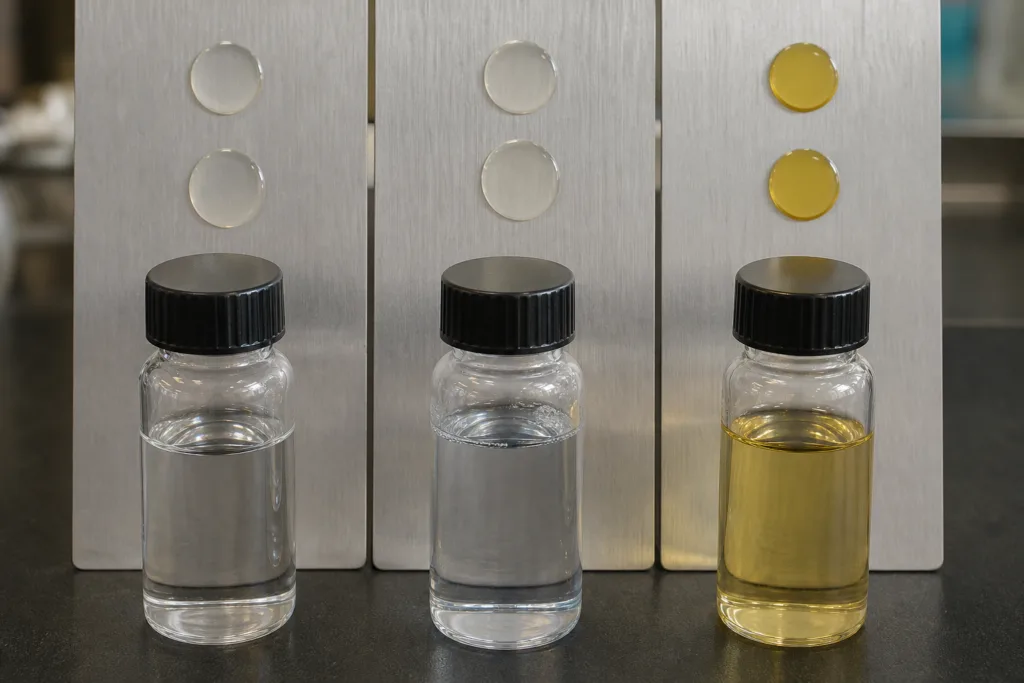
- Heptane-based activators: Fast-evaporating, often used in electronics and medical device assembly
- Alcohol-based activators: Slower, more surface-friendly for sensitive parts
- Amines or organic base activators: Aggressive cure promoters for challenging, inert metals
Each is chosen depending on speed requirements, substrate reactivity, and production environment. For example, high-speed metal line assembly might favor a quick-flash, heptane-type activator to maximize output.
Stepwise Process: Applying Activators for Instant Adhesive Metal Bonding
To maximize both strength and repeatability, follow this sequence:
- Clean metal surfaces to remove oils, dust, and passivation layers
- Apply activator to one or both surfaces (follow manufacturer’s specs)
- Allow solvent to evaporate (typically 30 seconds to 2 minutes)
- Apply instant adhesive to the opposite surface
- Assemble parts and hold for recommended fixture time
Chemical Mechanisms: What’s Happening Beneath the Surface?
Cyanoacrylate adhesives polymerize using surface moisture and mild alkalinity. Metals, particularly those with passive oxide layers (e.g., stainless steel, magnesium), lack sufficient reactive sites. Activators deliver catalytic compounds—often organic amines or mild alkali—so the instant adhesive’s monomer chains rapidly join and “lock” across microscopic contact points. This creates continuous, tough bonds ideal for metal fixture and load transfer. For more about resin chemistry, our Epoxy Resin Adhesives 101 dives deeper into adhesive structure and surface interactions.
Best Practices: Getting Consistent Results with Activators
- Always test activator-adhesive combos on sample parts before scaling up
- Use the lightest effective layer—over-application can cause blooming or interface weakening
- Observe open time: Most activators work best when the adhesive is applied within a few minutes of the activator
- Maintain controlled temperature and humidity for optimal cure rates
For applications where blooming or visible residue is a concern (such as in medical or electronics), using low blooming, low odor superglue chemistry can reduce cosmetic issues even while using activators.
Case Studies: Activator Usage in High-Volume Production
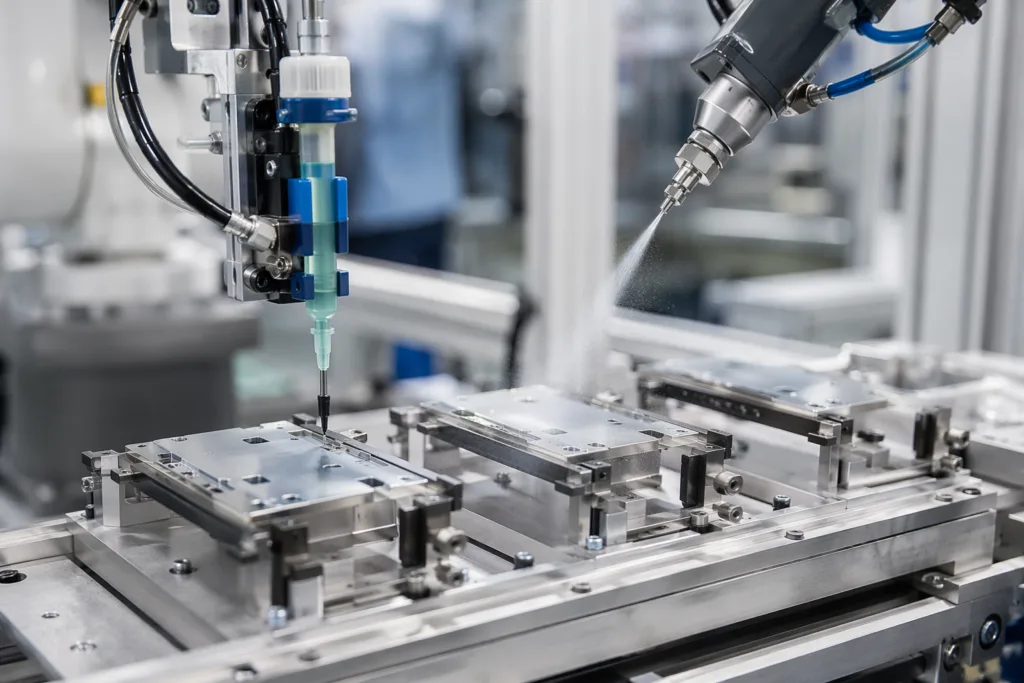
Consider the example of handheld device assembly, where metal contacts and shells must be joined quickly with zero rework. Here, a heptane-based activator is spritzed onto the stainless steel, adhesive is instantly dispensed via an automated adhesive dispensing system, and the parts are pressed together. By integrating activator use, fixture times drop from 45 seconds to under 5, keeping up with conveyor speeds and minimizing labor costs.
When Are Activators Not Recommended?
Some situations—such as assemblies requiring very high impact or environmental resistance—may favor structural epoxies or polyurethanes. Activators can also sometimes cause over-rapid curing, leading to interface brittleness. Always check if the final performance meets your application’s stress, temperature, and durability needs. For rugged joints, our guide on rubber toughened CA glues pinpoints when an alternative approach makes sense.
Safety Considerations When Using Activators
Activator fumes can be flammable or irritating. Always use in a well-ventilated area, and deploy PPE like gloves and safety glasses. Proper storage away from heat, sparks, and direct sunlight is also crucial. Never mix activators between different adhesive families—cross-chemistry can trigger hazardous reactions. Consult product datasheets and safety instructions for each brand and batch. For extra insights on safe, eco-friendly choices, explore our post on non-toxic waterproof sealants.
Troubleshooting: Common Problems and Fixes
- White haze (blooming): Reduce activator/adhesive excess; improve air flow
- Weak or inconsistent bonds: Confirm surfaces are clean; validate activator compatibility
- Adhesive cures too fast: Lessen activator amount or try a slower formulation
- Long fixture time persists: Check for surface contamination or expired activator/adhesive
Application Tips for Low Surface Energy Metals
Bonding aluminum, magnesium, or nickel-plated parts? Activators can help, but so can additional surface treatments like plasma, light abrasion, or specialty primers. From the viewpoint of ZDS Adhesive, an industrial adhesive manufacturer, pairing activators with surface energy-boosting treatments typically doubles lap shear strength and halves scrap rates for challenging assemblies—especially under high moisture or variable temperature conditions. Always document your process parameters for repeatability.
Measuring Bond Performance: Testing with and without Activators
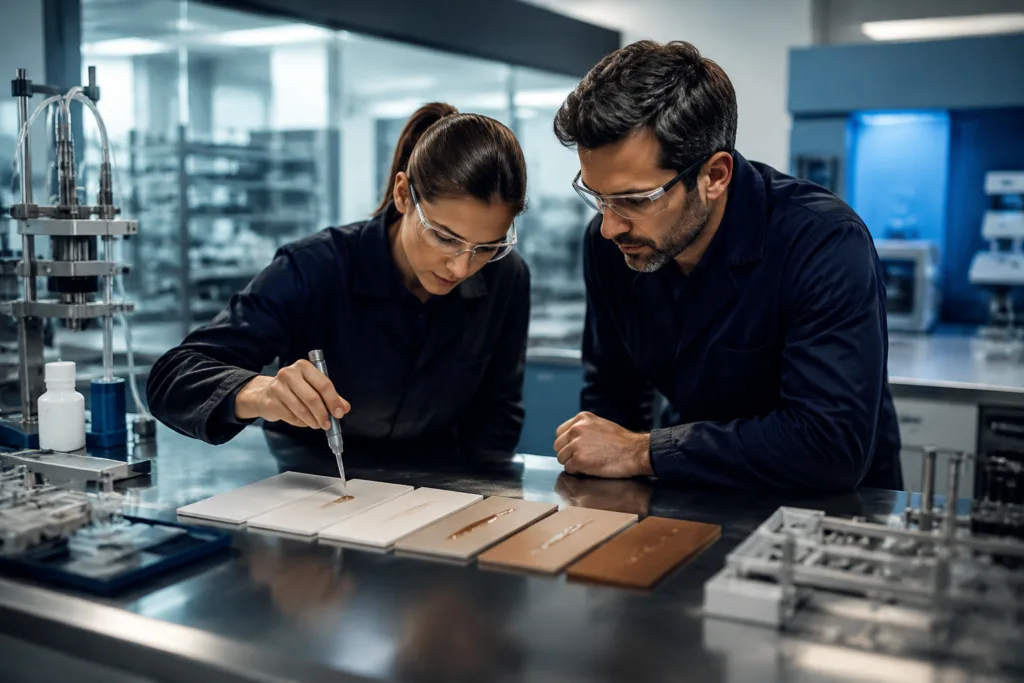
Lap shear tests and peel strength assays are the industry standard. A simple side-by-side trial—one set with activator, one without—can quantify gains in fixture time and ultimate strength. Track these stats under your actual application temperature and humidity, since activator impact can vary with environment.
Environmental Durability: Will Activator Use Affect Long-Term Reliability?
Activators that are properly matched to adhesive and substrate generally have no adverse effect on durability. However, overuse or poor mixing may leave residues that attract moisture. For harsh field applications, always conduct humidity aging and thermal cycling tests. More on this is in our guide to structural epoxy adhesives, which explains the importance of testing adhesive systems under realistic conditions.
Regulatory and Cleanroom Notes
In medical or electronics assemblies, always verify activator and adhesive compliance with ISO, RoHS, and cleanroom protocols. Many activators are available in low-outgassing, low-VOC forms for these applications. Request full documentation from your supplier.
Integrating Activators with Precision Dispensing Equipment
For automated lines, activator can be sprayed or dispensed robotically, just before adhesive application. This boosts consistency and reduces labor costs. For tips on equipment pairing, see our in-depth post on adapting dispensing equipment for adhesives.
Summary Table: Choosing the Right Activator for Metal Bonding
| Activator Type | Evaporation Rate | Best For | Notes |
|---|---|---|---|
| Heptane-Based | Very Fast | High-speed lines | Can be flammable |
| Alcohol-Based | Medium | Sensitive assemblies | Less residue |
| Amine/Organic Base | Varies | Low-reactivity metals | Strong cure boost |
Using Activators to Speed Up Instant Adhesive Cure
Activators are the secret weapon for anyone looking to enhance the performance, speed, and reliability of instant adhesive bonds on metal. They provide a simple, cost-effective way to troubleshoot tricky surface conditions, decrease cycle times, and boost quality metrics across applications—from aerospace to everyday repair. With the right pairing, process, and safety habits, even the toughest substrates become manageable for high-volume production and precision assembly.
Conclusion
Employing activators alongside instant adhesives transforms metal bonding from a waiting game into a high-speed, high-reliability process—if you select the correct chemistry, calibrate your process, and work safely. By understanding activator types, their chemical mechanisms, and proven application routines, industrial users can consistently hit strength, speed, and quality targets for metal assemblies. Think of activators as the fine-tuning tool that makes instant adhesives perform to their full potential—whether you’re building electronics, medical devices, or heavy equipment.
Frequently Asked Questions
What is the main role of an activator in instant adhesive bonding?
An activator accelerates the curing process by making metal surfaces more reactive, enabling instant adhesives to form strong bonds in seconds—especially on passivated or low-energy metals.
Can I use any activator with any cyanoacrylate adhesive?
No, it’s crucial to match the activator formulation to your adhesive brand and chemistry. Mismatched combinations may impair curing or reduce bond strength.
Will using an activator reduce the final bond strength?
When applied as directed, activators typically maintain or even increase bond strength. Overuse or wrong formulations, however, might cause interface weakening.
How can I minimize blooming when using activators?
Use minimal activator, control adhesive quantity, and ensure good ventilation. Low blooming adhesives are also an effective solution for sensitive applications.
Is it safe to use activators indoors?
Yes, with proper ventilation and PPE. Activator fumes can be irritating or flammable, so follow all safety data sheet recommendations for handling and storage.
Can activators be used in automated production processes?
Absolutely. Activator application can be fully automated with spray, jet, or brush equipment to ensure consistent, rapid adhesive performance at scale.
Related Reading
- How to Achieve Fail-Safe Vibration-Resistant Bonding for Metal Brackets in 2026
- Upgrading Your Line: Hot Melt Adhesive Equipment Integration Essentials
- Complete Guide to Polyurethane Adhesives: Best Application Secrets Revealed
- Water-Based Adhesives: Performance Boundaries and How to Select the Right One
- Why Solvent-Based Adhesives Remain Essential in 2026 Manufacturing