Introduction: Bonding Reflective Films in Mini-LED Backlights
Bonding reflective films in Mini-LED backlights is a cornerstone of modern display engineering, directly impacting light efficiency and color accuracy. The surge in demand for brighter, thinner displays in TVs, monitors, and automotive screens makes Mini-LED backlight technology exceptionally relevant in 2026. But achieving peak performance relies on precisely bonded reflective films, which optimize optical pathways, minimize light leakage, and heighten contrast ratios. In this guide, we break down the science behind the process, explore real-world bonding methods, compare materials, and highlight how these choices shape the future of Mini-LED display performance.
Why Reflective Films Matter in Mini-LED Backlights
Reflective films serve as the backbone for light management in Mini-LED displays. With hundreds or thousands of tiny LEDs lighting up a panel, these films redirect stray light, maximize brightness, and shield circuitry from unwanted optical interference. Their precise placement via bonding delivers measurable gains in luminance and uniformity, which users notice as sharper images and truer colors.
The Science of Light Efficiency in Mini-LED Displays
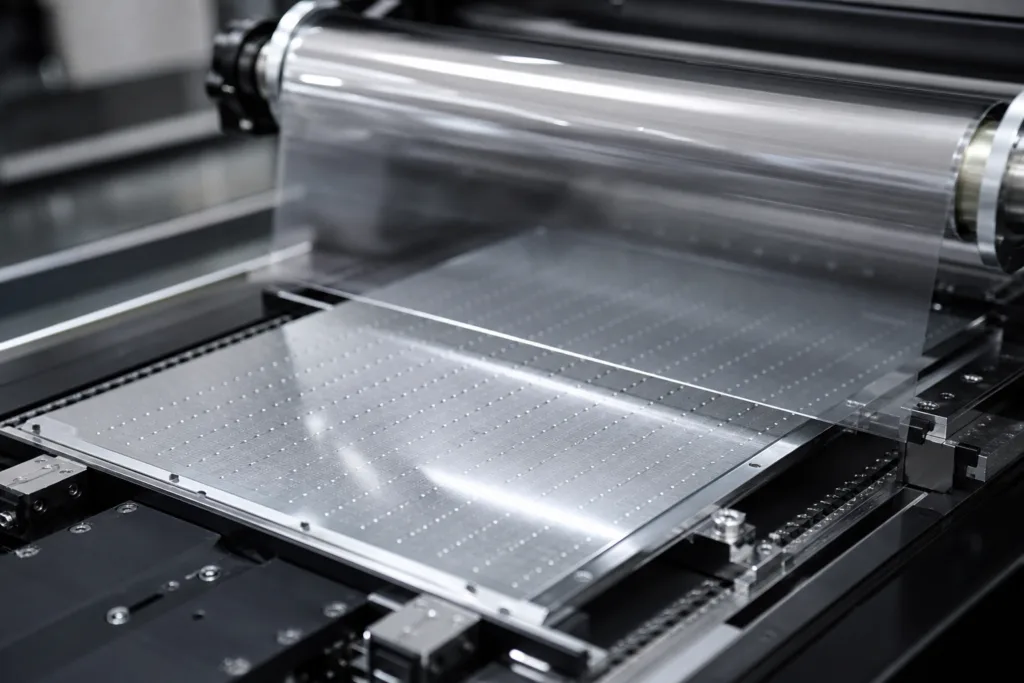
The intricate layers in a Mini-LED backlight include reflectors, diffusers, and optical adhesives. Bonded reflective films play a pivotal role here: they increase light recycling, channel photons toward the viewer, and reduce energy loss. Compared to older LCD technologies, Mini-LED displays leverage reflective films to unlock higher peak brightness while maintaining lower power consumption. This careful engineering translates to vibrant visuals and less eye strain.
| Parameter | Mini-LED Backlight | Traditional LCD Backlight |
|---|---|---|
| Brightness | Up to 2000 nits | 600–800 nits |
| Uniformity | High (via bonded films) | Moderate |
| Energy Efficiency | Superior | Lower |
| Color Accuracy | Excellent | Good |
Reflective Films and Color Accuracy
Color accuracy hinges on how well the backlight can evenly illuminate the panel and avoid color shift across the surface. Reflective films, when tightly bonded, reduce hotspots, enhance edge brightness, and mitigate ‘halo’ effects around bright images. This is especially crucial for HDR content and professional-grade monitors.
Key Materials for Bonding Reflective Films
The material makeup of both the reflective film and its adhesive layer determines optical clarity and durability. Typical choices include:
- Optically Clear Adhesives (OCA): UV-curing, high transparency, minimal haze
- Pressure-Sensitive Adhesives (PSA): Fast bonding, flexible, thermal stability
- Silicone-Based Films: Excellent thermal endurance, ideal for high-brightness panels
- Acrylic Reflective Layers: Lightweight, robust, easy to handle with precision tools
Bonds That Last: Adhesive Performance Criteria
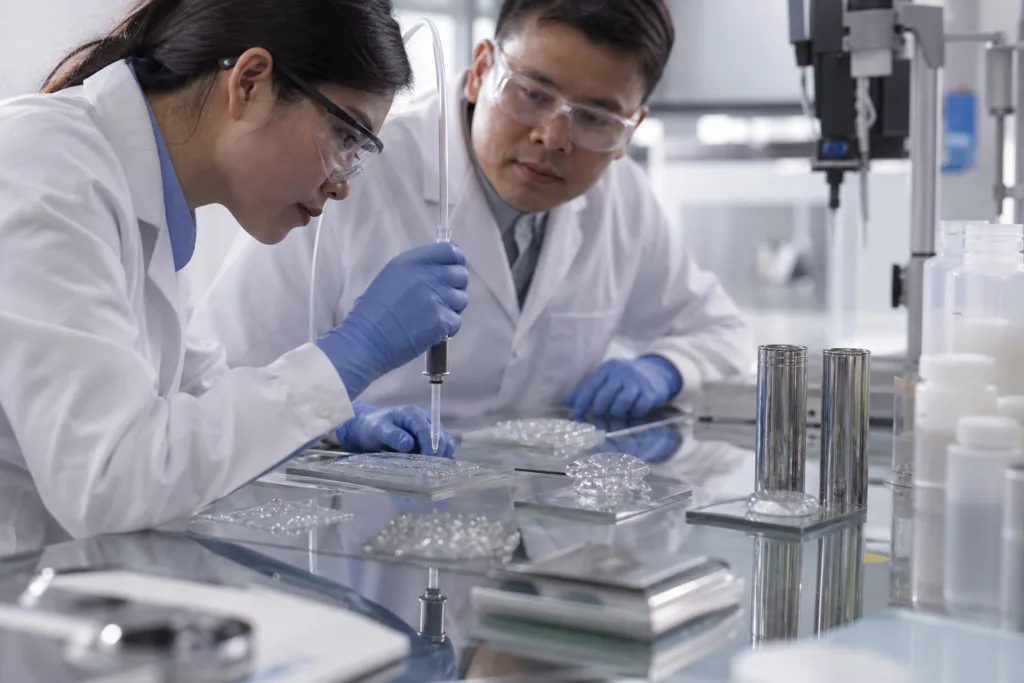
Industrial adhesives must withstand thermal cycling, humidity aging, and physical stress. ZDS Adhesive, an industrial adhesive manufacturer, recommends lap shear and peel strength tests for evaluating optical adhesive stability between the reflective film and substrate. Typical requirements include:
- Operating temperature range: -40°C to 85°C
- Bond-line thickness: Less than 100 μm
- Open time: 20–120 seconds, depending on production speed
- Outgassing: Must be minimal to avoid display fogging
You can read more about transparent adhesives for optical bonding in displays.
Bonding Techniques for Reflective Films
High-volume production lines are built around three primary film bonding methods:
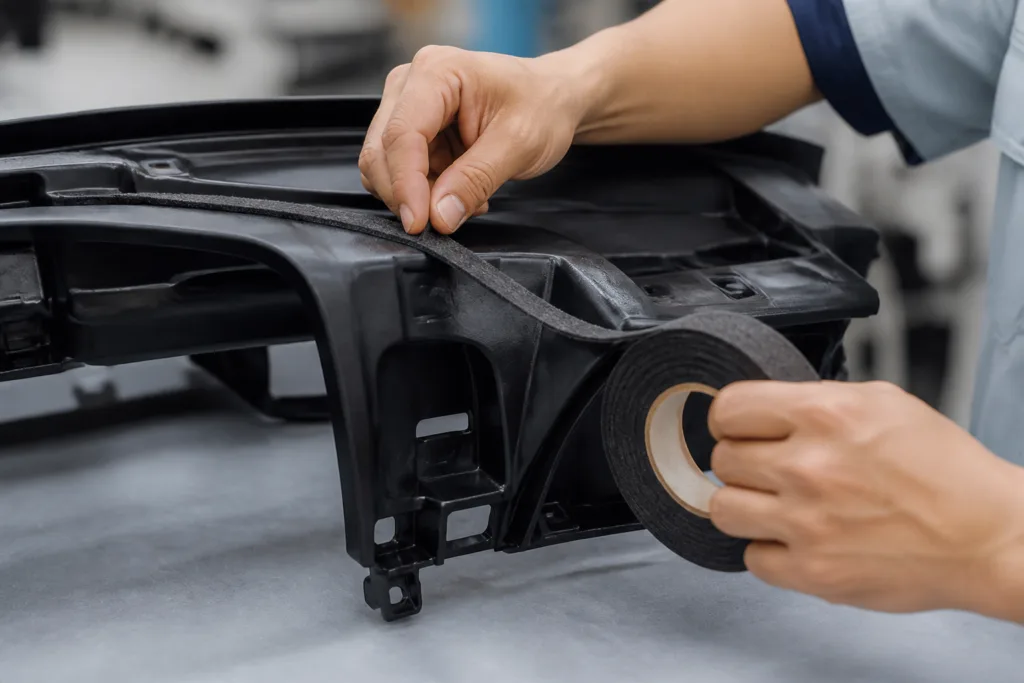
- Manual Lamination: Suited for prototypes, low-volume runs
- Automated Lamination: Precise, scalable; minimizes air bubbles
- Spray Adhesive Application: Rapid coverage; usually for non-optical layers
Each technique offers distinct advantages for durability and performance. For critical optical interfaces, automated dispensing and lamination are standard—ensuring consistency across millions of units. Read more about choosing adhesive dispensing equipment for precision bonding.
Process Steps in Automated Reflective Film Bonding
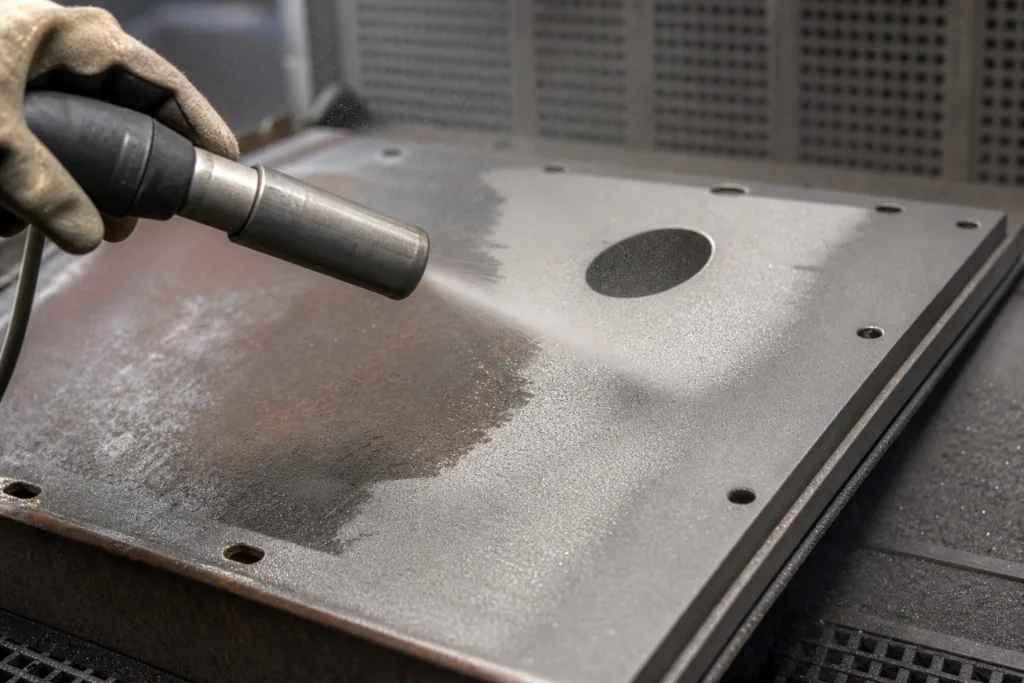
- Surface cleaning (anti-static and dust removal)
- Primer or adhesion promoter application for low-energy substrates
- Layer-by-layer assembly using vision-guided robots
- Curing via UV or thermal methods, depending on adhesive type
From an assembly-line viewpoint at ZDS Adhesive, process stability hinges on controlling humidity, temperature, and machine calibration. For low outgassing adhesives, special formulations prevent optical artifacts in sensitive display layers. Explore why low outgassing adhesives matter for mini-LED displays.
Comparing Reflective Film Types: Which Is Best?
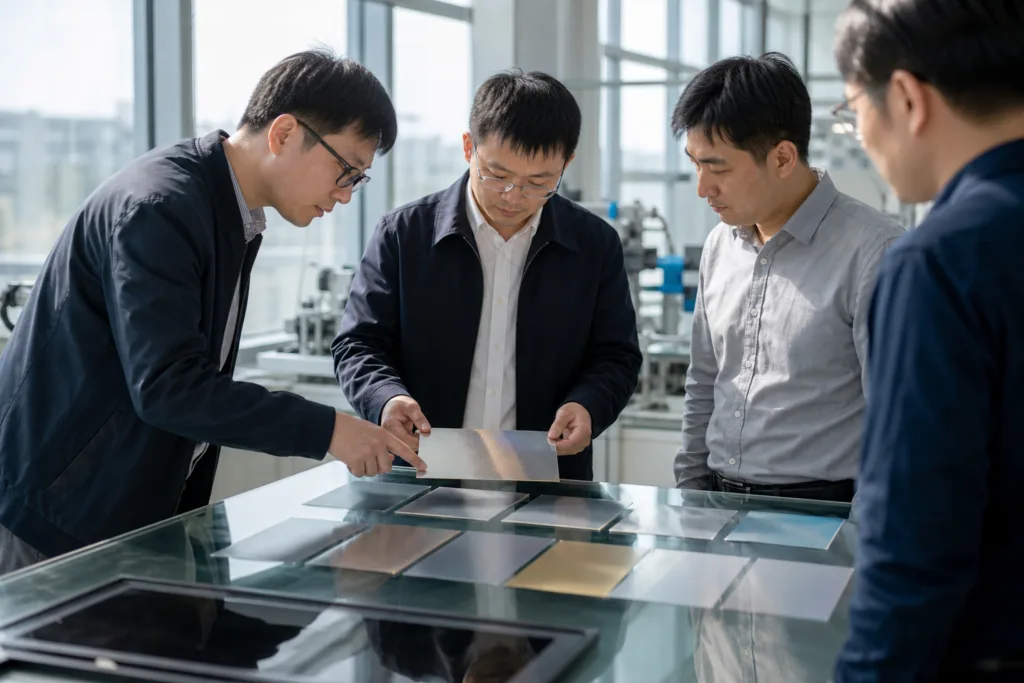
Manufacturers now have a range of reflective film types to choose from, depending on display application:
| Film Type | Strengths | Typical Use |
|---|---|---|
| Metalized PET | High reflectivity, thin, cost-effective | Large area TV backlights |
| Multi-layer Polymer | Controlled reflectance, custom profiles | Premium monitors, HDR displays |
| Silicone-Polymer Hybrid | Heat resistant, flexible | Automotive, outdoor screens |
| Acrylic | Rigid, easy to bond | Tablet, smartphone displays |
Performance Trade-Offs
While metalized PET is widely used for cost-sensitive applications, its rigidity can limit edge sealing and impact uniformity. Silicone-polymer hybrids offer extended lifespan for harsh environments but require specialized bonding methods. Premium displays often use multi-layer polymer films for maximum color precision.
Impact of Reflective Film Bonding on Display Performance
The real-world benefits of properly bonded reflective films are seen in several key areas:
- Higher brightness and energy efficiency
- Improved color consistency across the screen
- Reduced light leakage and halo effect
- Better reliability and longevity
Case Study: Automotive Mini-LED Displays
Automotive screens are exposed to vibrations, temperature extremes, and UV exposure. Reflective film bonding must ensure the optical stack remains stable despite these stresses. ZDS Adhesive recommends a silicone-polymer bonding approach with fixture times under five minutes and thermal cycling tests up to 125°C. For more detail on flexible display bonding, see bonding flexible OLED screens in digital dashboards.
Bonding Reflective Films in Mini-LED Backlights
Understanding how bonding reflective films shapes Mini-LED backlight performance is essential. Manufacturers must select materials and techniques that deliver maximum optical efficiency, reliability, and durability. The right combination ensures displays achieve their full potential—be it for consumer TVs or safety-critical automotive applications.
Future Innovations in Mini-LED Reflective Film Bonding
Looking ahead, new materials and adhesives are pushing the boundaries further. Self-healing bonds, non-yellowing UV adhesives, and ultra-thin reflective films are set to play a major role. As the industry targets even thinner displays and higher resolutions, process control and adhesive science will remain at the heart of innovation. Read about non-yellowing UV adhesives for smart lighting and displays.
Final Checklist for Display Engineers
- Choose reflective films for your specific application (brightness, durability, flexibility)
- Select adhesives with proven optical clarity, thermal stability, and minimal outgassing
- Test bonds using industry-standard lap shear and peel tests
- Automate dispensing and lamination where possible for consistency
- Monitor curing parameters to avoid defects
Conclusion
Bonding reflective films in Mini-LED backlights is a subtle yet powerful factor underpinning today’s top displays. From maximizing brightness to safeguarding color accuracy, every layer, material, and method matters. As display technology advances, engineers and manufacturers who master adhesive selection and process controls will drive the next generation of visual excellence. Looking forward, innovations in materials and techniques promise even more reliable, high-performance, and energy-efficient screens for every application.
Frequently Asked Questions
What makes reflective film bonding important for Mini-LED backlights?
Reflective film bonding maximizes light use in Mini-LED displays, boosting brightness and color accuracy while minimizing energy waste and optical artifacts.
Which adhesives are used for bonding reflective films?
Optically clear adhesives (OCA), pressure-sensitive adhesives (PSA), and specialty silicones are commonly used, each offering unique clarity and durability.
How does reflective film bonding affect display uniformity?
Tightly bonded films prevent hotspots, light leakage, and uneven color, ensuring uniform brightness and sharper images across the entire display area.
Are there differences in bonding reflective films for automotive versus consumer displays?
Yes, automotive displays need adhesives with high temperature, vibration, and UV resistance; consumer displays prioritize clarity and cost-effectiveness.
What tests are recommended for bonded reflective films?
Lap shear, peel strength, and thermal cycling tests are essential to verify durability, optical performance, and resistance to environmental stress.
Do reflective film bonding techniques impact display longevity?
Absolutely. Correct bonding processes and materials prevent delamination, yellowing, and optical defects, ensuring long-term display reliability.
Related Reading
- Choosing the Right CA: Gel vs. Liquid for Vertical Bonds
- Optical Bonding Solutions: OCR vs. OCA for Curved Automotive Displays
- Seamless Display Integration: Bezel-less Bonding in Smart Thermostat LCDs
- Elevate Audio: Acoustic Sealing Methods for Smart Speaker Assembly
- How Flexible Instant Adhesives Transform Lightweight Assembly in 2026