Introduction: Why Gap Filling Adhesives Matter for Large Commercial Video Walls
In 2026, the rising demand for immersive digital signage and stunning visual displays has positioned large commercial video walls front and center in retail, control rooms, airports, and entertainment venues. One often overlooked yet crucial component in achieving flawless video wall installations is the use of gap filling adhesives. Whether mounting hundreds of panels seamlessly or ensuring long-term durability in high-traffic environments, the right adhesive not only bridges physical gaps but preserves structural safety and visual quality. In this comprehensive guide, we’ll explore the role of gap filling adhesives in commercial video walls, the adhesive chemistries that get real-world results, and actionable practices from experienced assemblers.
Understanding Gap Filling Adhesives for Large Commercial Video Walls
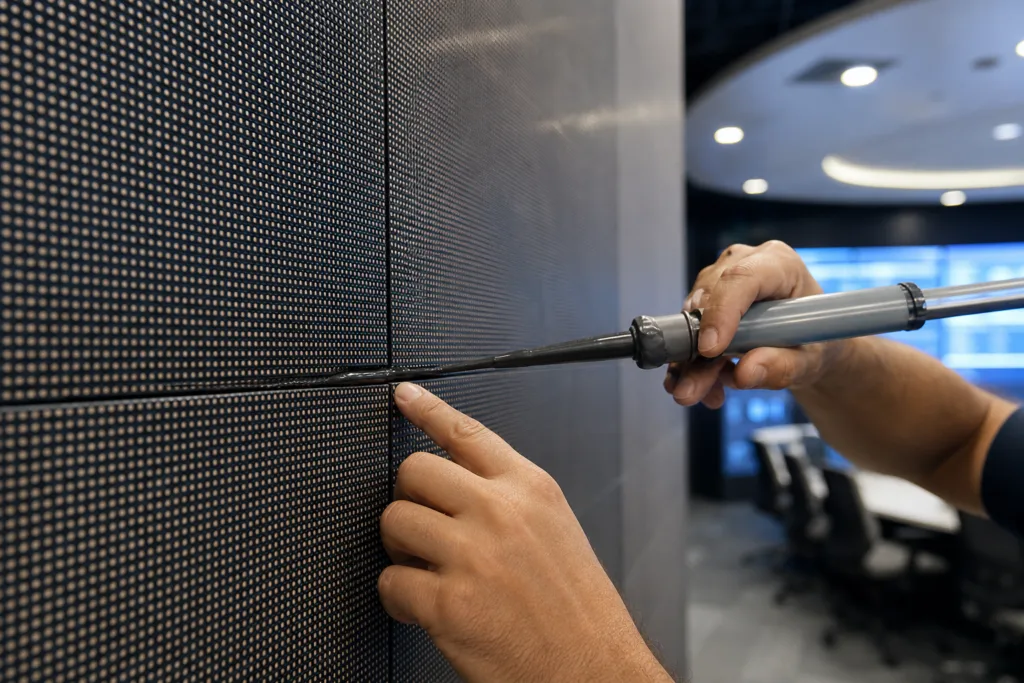
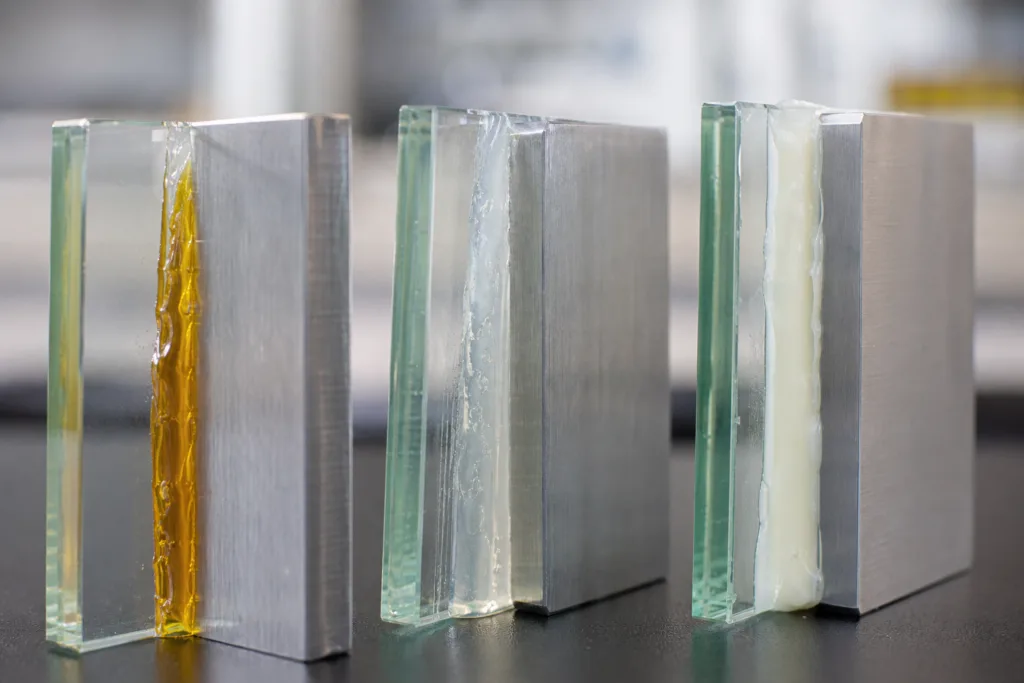
Gap filling adhesives are specialty bonding agents formulated to bridge spaces between uneven or imperfect substrates. In the context of large video walls, these adhesives fill the microscopic and visible voids that naturally occur between LED, LCD, or modular display panels and their frames or mounting surfaces. They must compensate for surface irregularities while providing structural integrity and maintaining the precise alignment that high-resolution visuals demand.
The use of gap filling adhesives enables a tighter, more uniform join between display units, which reduces light leakage and panel misalignment. This technique also minimizes vibration and shock during installation and throughout the video wall’s service life, protecting delicate electronics within the panels. To dive deeper into adhesive selection for complex digital displays, see Best Adhesive Solutions for Flawless QLED Film Lamination in 2026.
Key Adhesive Properties Required for Video Walls
- Viscosity and Flow: The ideal gap filling adhesive must flow to fill spaces without excessive sagging or running.
- Cure Speed: Fast enough for production demands, but with enough open time for precise alignment.
- Structural Strength: Maintains panel stability under static loads and dynamic movement.
- Low Shrinkage: Prevents deformation or distortion during curing.
- Environmental Resistance: Tolerant to heat, humidity, and UV exposure found in many public or semi-outdoor settings.
- Non-Yellowing/Optical Clarity: For visible bonds or glass-fronted displays, adhesives must not discolor or cloud over time.
Types of Gap Filling Adhesives Used in Video Walls
Epoxy-Based Adhesives
Known for high strength and gap-filling capability, two-part epoxy adhesives are regularly used for load-bearing panel bonds and frame attachments. Their controlled cure profiles allow installers to reposition panels slightly during set-up. For further detail on matching adhesives to technical applications, you might consult our Advanced Adhesives for Reliable Fabric-to-Plastic Door Trim Bonding guide.
Polyurethane Adhesives
PU adhesives offer both flexibility and resilience. They are excellent where vibration damping or differential expansion between panel materials is needed. Their moisture resistance is beneficial for video walls exposed to humidity or cleaning cycles.
Silicone Sealants and Adhesives
Silicones stand out in weather-exposed installations due to their elasticity and waterproof nature. They maintain adhesion even after significant thermal cycling, making them valuable for video walls in atriums or partially outdoor areas. Learn more about workhorse silicone technologies in the Silicone Rubber Bonding Guide.
UV-Curable Adhesives
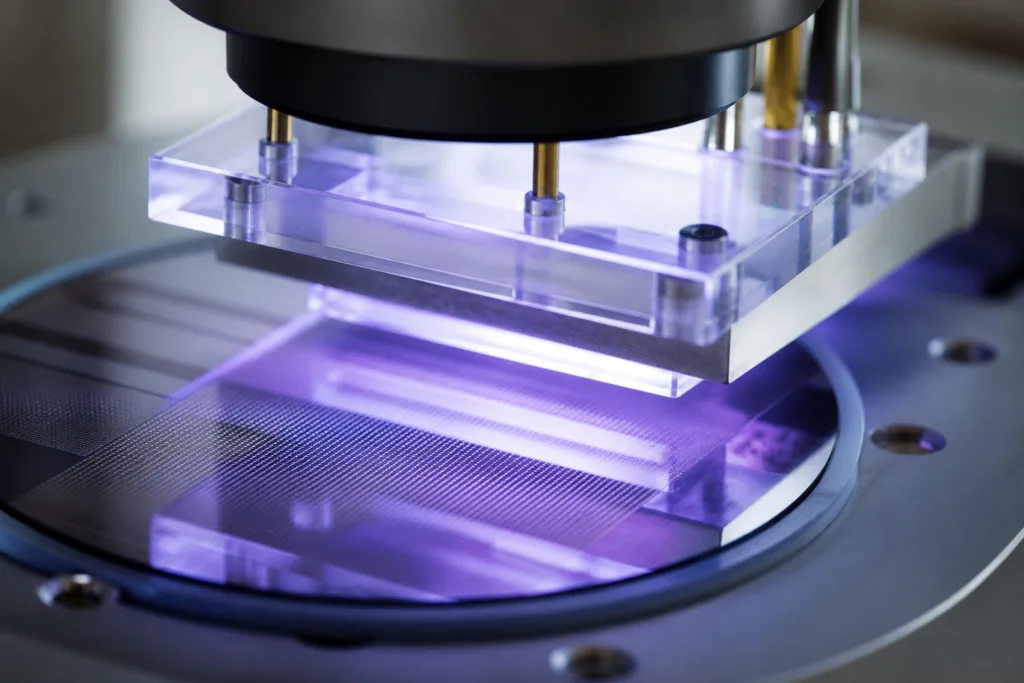
Used especially when optical clarity is critical, UV adhesives cure rapidly under light. They’re favored for transparent or semi-transparent display bonds where residue must be minimal and non-visible. Their fast processing aids efficient manufacturing lines.
Acrylic Structural Adhesives
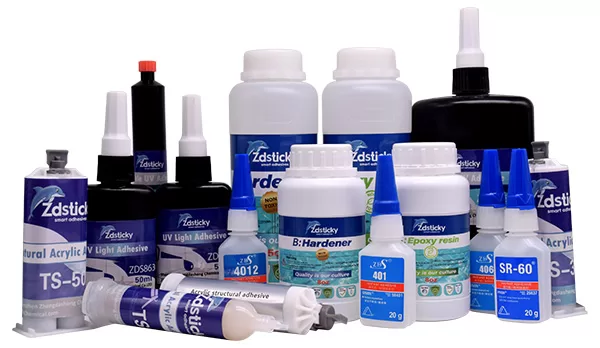
Offering a balance between strength and flexibility, acrylic adhesives bond various dissimilar materials commonly found in mixed video wall frame constructions. They have superior resistance to environmental aging and fast fixture times.
How Gap Filling Adhesives Improve Video Wall Installation and Maintenance
- Panel Alignment: Adhesives compensate for mounting surface imperfections, ensuring tight, uniform joints and seamless panel-to-panel transitions.
- Vibration Dampening: Fills absorb micro-movements and mitigate shock transmission, protecting sensitive circuitry during installation and operation.
- Prevention of Light Leaks: Proper application blocks any light escape at panel seams, maintaining the video wall’s visual impact.
- Thermal Stress Management: Flexible adhesives accommodate expansion and contraction cycles over time, reducing the risk of delamination or cracking.
Challenges in Real-World Use of Gap Filling Adhesives
Surface Preparation
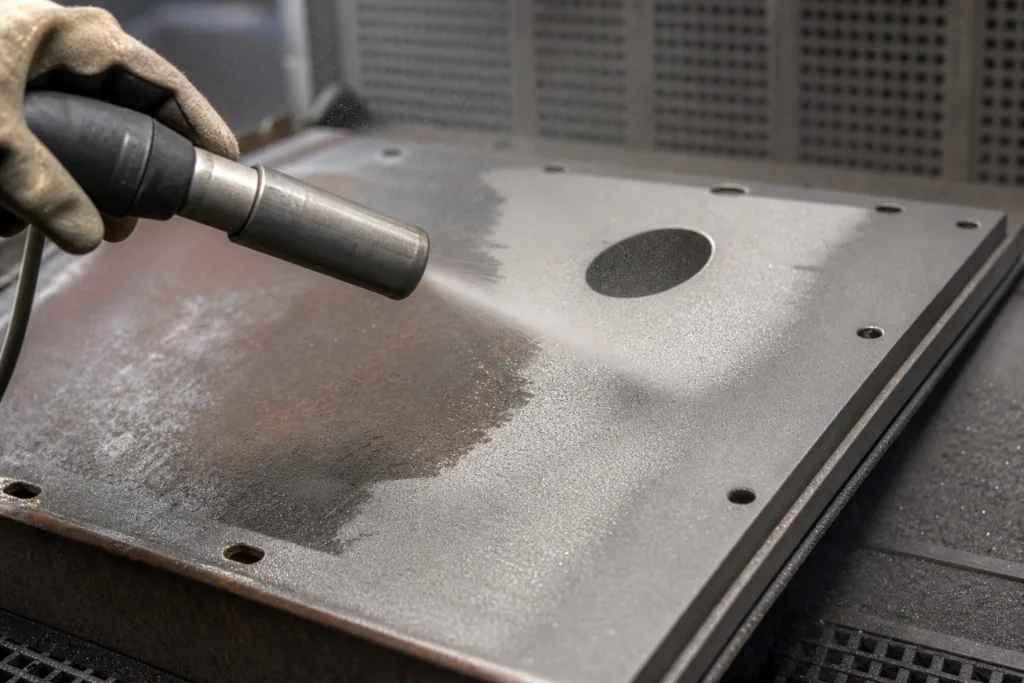
Poorly cleaned or poorly prepared surfaces can lead to premature adhesive failure. Contaminants, dust, and oxidized layers inhibit bonding. As emphasized in manufacturing scenarios, using a primer or implementing proper plasma/corona treatment can drastically improve bonding. You’ll find a comprehensive overview of this aspect in Plasma vs. Corona Treatment: Which Industrial Surface Process Wins in 2026?.
Material Compatibility
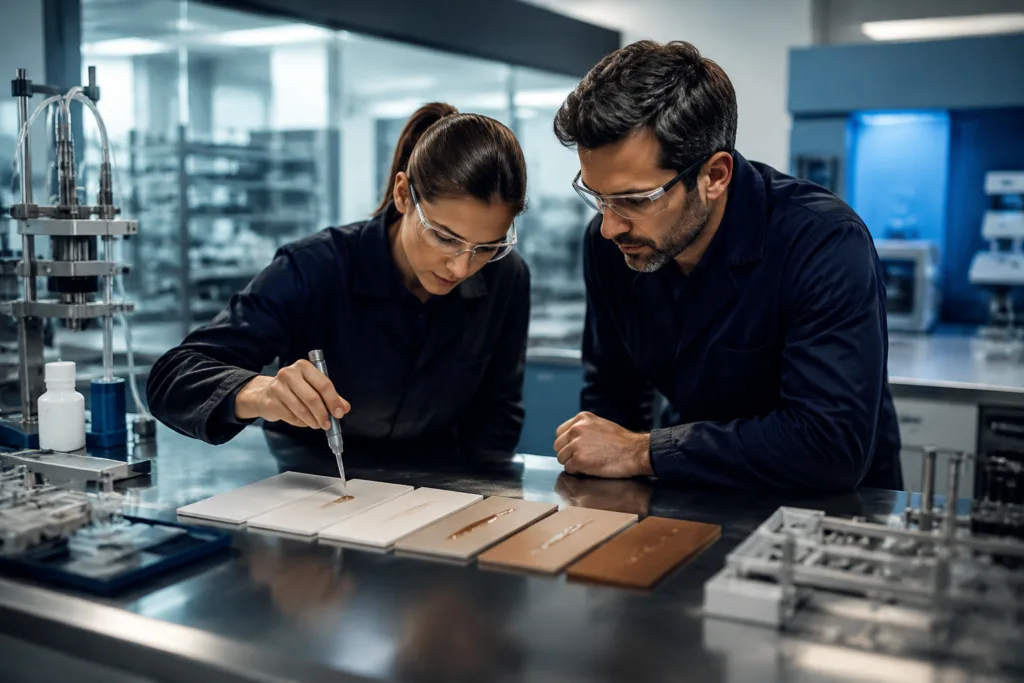
Not all adhesives adhere well to low-surface-energy plastics or coated metals. Thorough testing—such as lap shear or peel tests—should be done for every material interface.
Matching Cure Profile to Assembly Needs
Too rapid a cure may trap misalignments. Too slow, and installations drag, risking contamination and schedule overruns. Installer expertise and digital mixing/curing control are essential to balance open time, fixture time, and ultimate cure.
Case Studies: Successful Gap Filling Adhesive Applications
Retail Mega-Display, 2025:
During the rebuild of a flagship electronics store, engineers needed a system that could handle minor irregularities in the concrete mounting wall. A two-part epoxy with medium viscosity filled the irregular voids and locked each display module precisely, eliminating panel drift and keeping the visual array perfect for over a year of operation.
Airport Control Room Installation:
For a command center’s expansive video wall, a silicone-based gap filling adhesive was chosen to resist humidity from HVAC systems and constant vibration from nearby machinery. The adhesive’s elasticity prevented microcracks at panel edges, enabling less maintenance downtime across multiple seasons.
Application Best Practices for Gap Filling Adhesives
- Conduct full cleaning and surface prep with recommended primers or plasma/corona treatment if substrates are inert.
- Use the correct dispensing equipment for even adhesive distribution—reference our guide to precision dispensing equipment for further insight.
- Monitor pot life (workable open time) after mixing two-part adhesives; avoid partial cures that compromise bond strength.
- Clamp or fixture panels only as long as needed for initial set; excessive pressure can squeeze out necessary adhesive.
- Perform cure profile validation, using real components, to ensure adhesives achieve full bond strength before electrical testing or power-up.
Inspection & Quality Assurance for Video Wall Installations
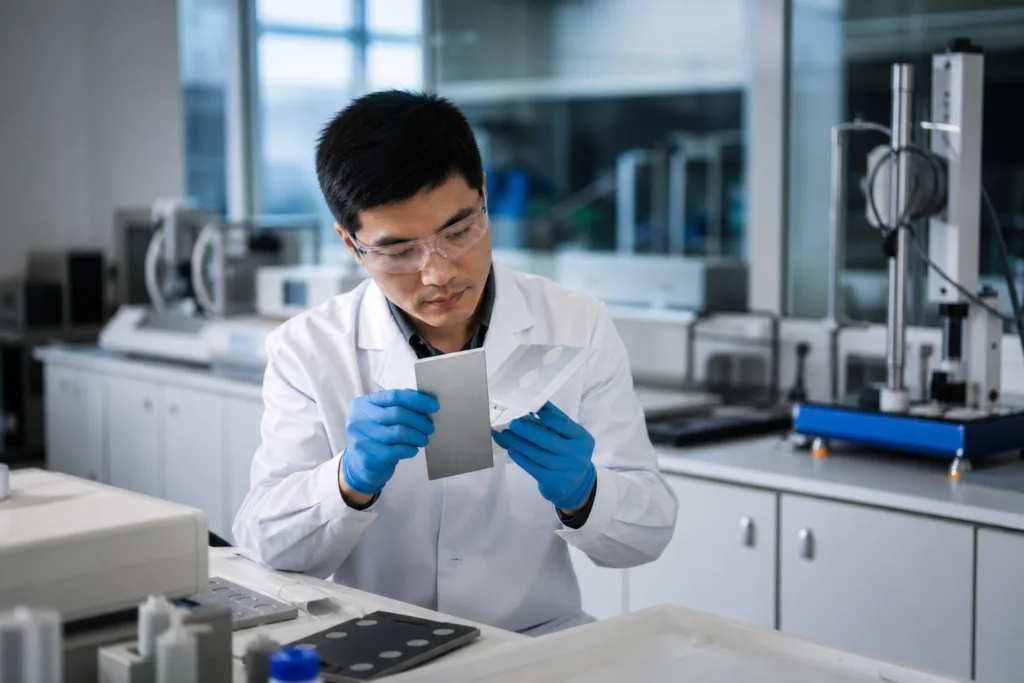
Adhesive bonds should be visually inspected for fill completeness, absence of air bubbles, and minimal squeeze-out. Mechanical tests (lap shear or peel) on sampled units help ensure each bond meets design loads. Optical clarity should be confirmed for all visible bond lines or transparent substrates. Thermal cycling and vibration aging provide additional confidence for long-life installations.
Key Testing Methods for Gap Filling Adhesive Performance
- Lap Shear and Peel Testing: Quantifies strength and integrity of adhesive bonds.
- Thermal Cycling: Simulates seasonal temperature fluctuation and expansion stress.
- Humidity Exposure: Confirms moisture resistance, especially for public or outdoor installations.
- UV and Light Aging: Validates that optically clear adhesives retain performance and do not yellow over time.
Future Trends in Adhesive Technologies for Video Walls
Recent years have seen the advent of smart adhesives that incorporate conductive fillers for EMI shielding, fast-cure hybrid chemistries, and environmentally friendly formulations with reduced VOC content. In the coming years, self-healing polymers and automated robot application systems will further boost product lifecycle and reduce rework rates.
Gap Filling Adhesives for Large Commercial Video Walls
The discipline of using gap filling adhesives in large commercial video wall assembly is both art and science. From an assembly-line perspective, product selection should align with substrate energy, cure demands, gap width, and optical specifications. For example, ZDS Adhesive, an industrial adhesive manufacturer, found that using an optically clear, medium-viscosity epoxy—combined with plasma-treated aluminum frames—eliminated light leakage and outperformed organic sealants in thermal cycling tests up to 80°C and 85% relative humidity. This approach set a new standard for video wall reliability in public environments. The right choice of gap filling adhesives directly impacts installation speed, first-time yield, and field performance, cementing their place as an indispensable tool for modern digital architects.
Conclusion: A Seamless Future for Visual Installations
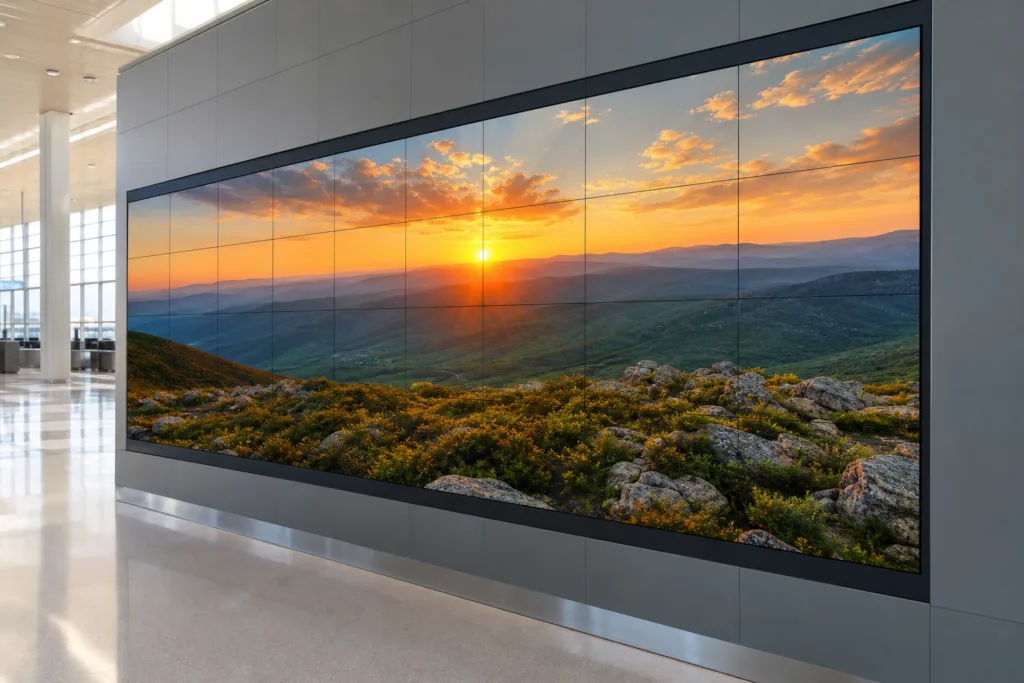
Gap filling adhesives make the difference between an ordinary video wall and a seamless digital masterpiece. By providing mechanical strength, visual clarity, and resistance to environmental stress, they assure both immediate impact and lasting reliability. With innovations like UV-curable clear formulas and smart pre-treatment methods guiding the way, these adhesives will remain essential as commercial video walls grow larger, thinner, and more complex. Mastering their use isn’t just an installation upgrade—it’s a vital investment in digital infrastructure.
Frequently Asked Questions
What are the main benefits of using gap filling adhesives for commercial video walls?
They ensure precise panel alignment, block light leaks, absorb vibration, and maintain long-term durability in challenging environments.
Which adhesive types are most commonly used for video wall installations?
Epoxy, polyurethane, silicone, UV-curable, and acrylic adhesives are frequently chosen for their strength, flexibility, and environmental resistance.
How do I choose the right gap filling adhesive for my installation?
Assess surface materials, required cure speed, environmental exposure, optical needs, and panel weight before selecting the adhesive chemistry.
What is the role of surface treatment in adhesive bonding?
Surface cleaning and treatment (using primers or plasma/corona) boosts adhesive wetting and bonding strength, especially with low-energy surfaces.
How can I guarantee long-term reliability of adhesive bonds in video walls?
Follow best practices: thorough prep, controlled dispensing, and verify bond strength with mechanical and environmental tests before commissioning.
Can gap filling adhesives be used for outdoor commercial video walls?
Yes—choose adhesives rated for UV, weather, and temperature extremes, such as advanced silicone or hybrid PU formulations built for outdoor performance.
Related Reading
- 7 Strategies to Extend Display Life with Advanced Edge Sealing Adhesives
- The Insider’s Guide to Clear, Strong, and Long-Lasting Bonding Solutions
- Unlocking Bright Displays: Non-Yellowing UV Adhesives Explained
- Choosing the Best Optical Bonding for Automotive and AV Installations
- The Seamless Revolution: Bezel-less Bonding for Modern LCDs