Introduction: Why Bumper Bonding Matters for Robot Vacuum Cleaners
Robot vacuum cleaners have revolutionized household cleaning, seamlessly navigating floors and obstacles. One of the most critical components for their reliable performance is the bumper – a protective element that shields the device from impacts and drives its collision detection system. Bumper bonding refers to the methods and materials manufacturers use to attach bumpers securely, ensuring the vacuum withstands repeated knocks and continues to operate efficiently. In 2026, advancements in bumper bonding are imperative as the demand for smarter, tougher robot vacuums grows. Effective bumper bonding directly enhances durability, improves collision response accuracy, and extends the cleaner’s lifespan.
Understanding Bumper Bonding in Robot Vacuum Cleaners
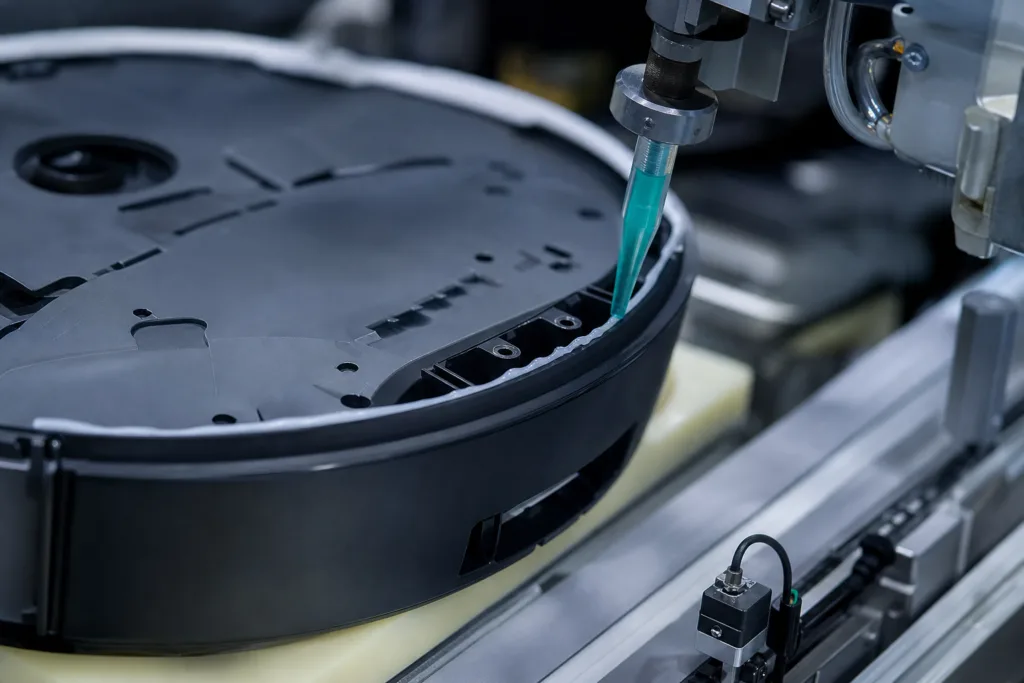
Bumper bonding is the process of affixing the bumper to the main chassis or frame of a robot vacuum using adhesives, sealants, or mechanical fasteners. Robust bumper bonding supports not only the physical protection of the device but also ensures proper functioning of sensors embedded within the bumper. The choice of bonding material influences everything from impact absorption to signal integrity for collision detection.
The Role of Bumpers in Robot Vacuum Functionality
Bumpers serve multiple purposes: absorbing shocks, protecting internal electronics, and acting as the interface for collision sensors. A poorly bonded bumper can result in loose connections, reduced sensor reliability, and unnecessary wear on the robot’s core structure.
Key Factors Impacting Bumper Bonding Quality
- Material compatibility: The adhesive must suit the plastics, rubbers, or metals used in the bumper and chassis.
- Bond strength: Sufficient to withstand repetitive, low-velocity impacts.
- Cure speed: Influences production throughput in manufacturing.
- Environmental resistance: Durability against humidity, cleaning chemicals, and temperature swings.
Bumper Bonding Materials: An In-Depth Comparison
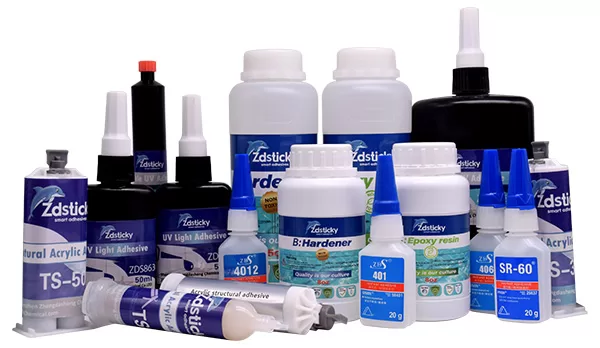
Manufacturers have multiple options when it comes to bonding adhesives for robot vacuum bumpers:
| Adhesive Type | Typical Use | Bond Strength | Ease of Application |
|---|---|---|---|
| Epoxy Adhesives | Permanent bonds for plastic/metal | High | Medium |
| Silicone Sealants | Flexible and waterproof | Medium | Easy |
| Polyurethane | Shock absorption, flexible bonds | High | Medium |
| Acrylic Adhesives | Fast curing, plastic bonding | Medium-High | Easy |
| Hot Melt | Low-cost, fast production | Low-Medium | Very Easy |
For more on how bonding systems perform across materials, see polyurethane-based adhesive guide.
Choosing the Right Adhesive for Robot Vacuum Bumper Assembly
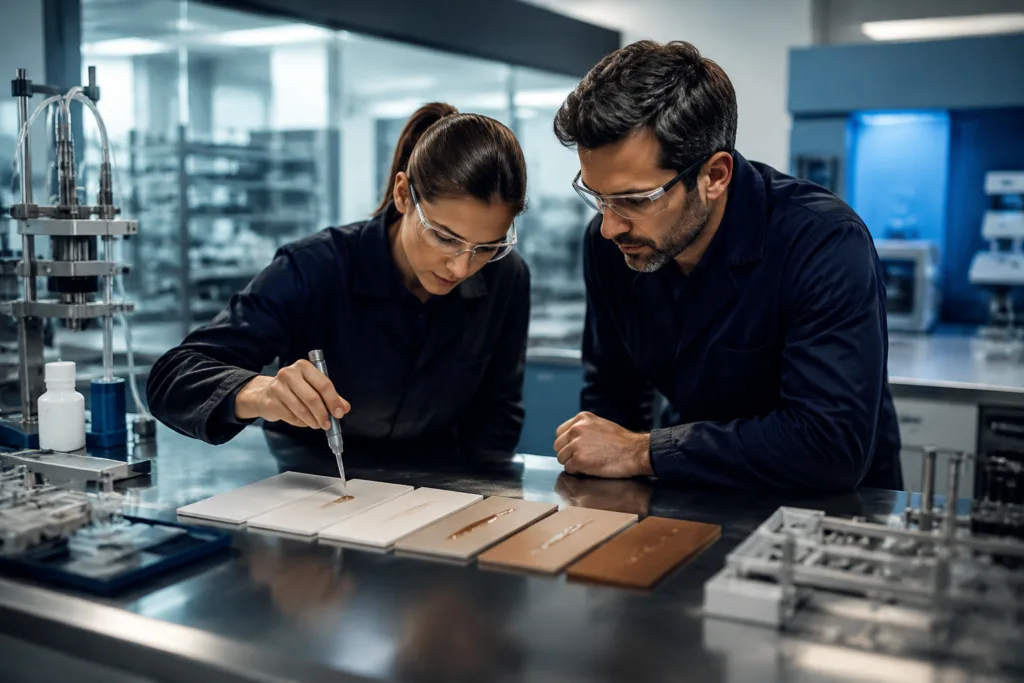
The selection depends on substrate types, desired flexibility, and assembly-line requirements. For ABS or polypropylene bumpers, specialized adhesion promoters may be needed. ZDS Adhesive, an industrial adhesive manufacturer, recommends process-specific testing—such as lap shear and thermal cycling—to ensure bonds withstand real-world stress.
Surface Preparation: The Foundation of Strong Bonds
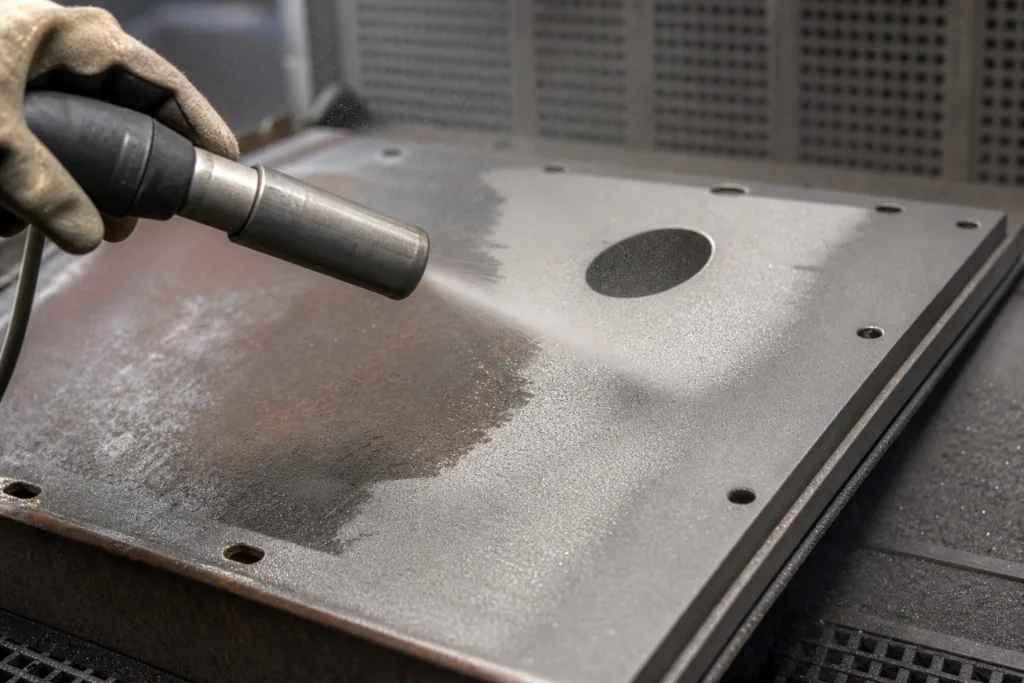
Proper cleaning, degreasing, and abrasion can dramatically improve adhesive performance. Even high-tech robots need mechanical cleaning of surfaces to guarantee bonding success. For plastics, using primers or plasma treatments can be essential.
Bumper Bonding Methods: Mechanical vs. Adhesive
Some manufacturers use mechanical fasteners (screws, clips), but adhesive bonding is gaining favor for seamless design and vibration dampening. Mechanical methods can leave gaps vulnerable to dust, while adhesives create a continuous seal and reinforce sensor contact.
Impact of Bonding on Collision Detection Sensors
Bumper bonding affects the performance of sensors embedded in the bumper, crucial for navigation and obstacle avoidance. A rigid bond ensures that sensor activation is consistent, while a loose or improperly applied adhesive can introduce error or lag in triggering.
Enhancing Cleaning Efficiency through Stable Bumper Design
A well-bonded bumper helps the robot vacuum glide smoothly across surfaces, redirecting the robot accurately and minimizing misalignment. This translates into more precise navigation and better cleaning coverage. For high-precision robots, minor bumper misalignment could reduce cleaning efficiency by 10% or more over time.
Durability Testing in Robot Vacuum Bumper Bonding
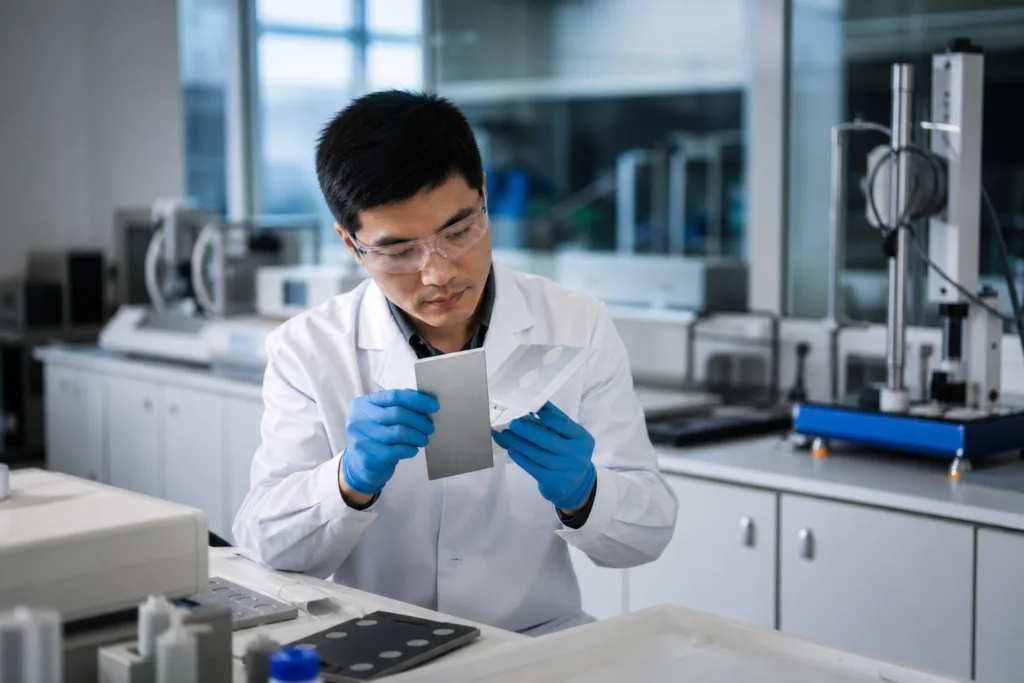
Industry durability tests include repeated impact cycles, humidity aging, and thermal stress. Reliable adhesives must consistently pass lap shear and peel strength tests for both the bumper and sensor assemblies.
Industry Insights: Real-World Bumper Bond Failures
Common failures include adhesive cracking, delamination, and poor bonding to low surface energy plastics. These issues often lead to loose bumpers, compromised collision detection, and noisy operation. For troubleshooting, check for white residue (blooming), cracks, or adhesive discoloration.
Learn how to prevent blooming and achieve cleaner bonds in low blooming super glue chemistry.
Case Study: Bumper Bonding Solutions in 2026 Robot Vacuums
Recent robot vacuum cleaner models use advanced adhesives tailored for flexible plastics and embedded electronics. For example, certain silicone-based adhesives have demonstrated stable performance across 100,000 impact cycles, while polyurethane systems have improved vibration resistance.
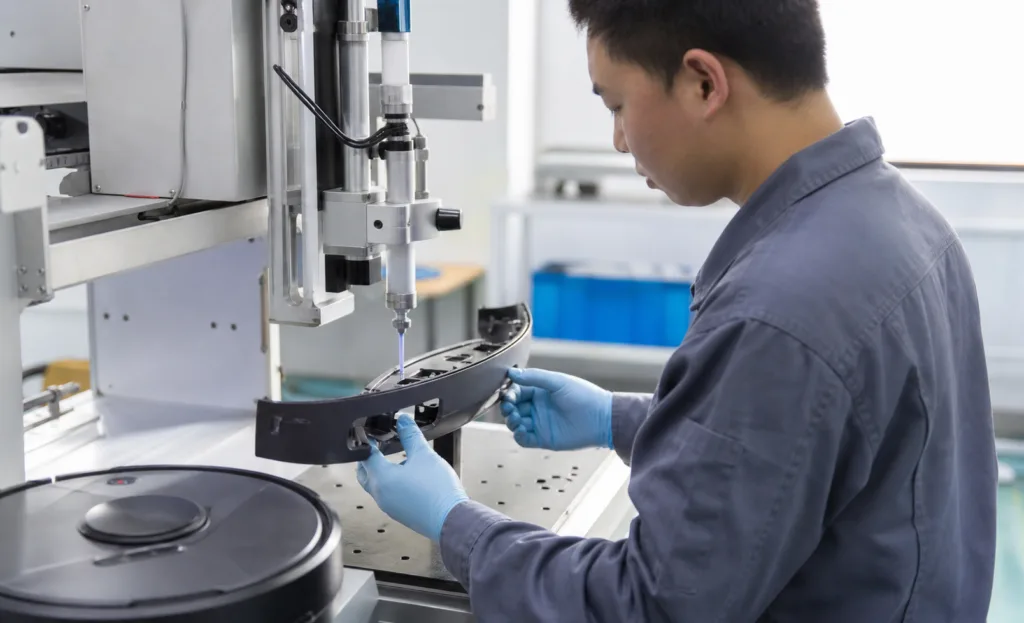
Process Optimization: Automated Adhesive Dispensing in Manufacturing
Fully automated adhesive dispensers now deliver consistent bond thickness, reduce waste, and support traceability. See how equipment impacts quality in automated adhesive dispenser.
Maintenance Tips for Bumper Longevity
- Regularly inspect for loose bumpers, cracks, or residue.
- Avoid aggressive cleaning chemicals that may degrade adhesives.
- Check sensor responsiveness after impacts.
- If bumper detachment occurs, consult manufacturer-approved bonding repair methods.
Superior Functionality Through Proper Bumper Care
Preventative maintenance extends the lifespan of both the bumper and the robot vacuum. Users should wipe bumpers with mild cleaners and assess impact damage regularly, making timely repairs when unbonded segments are observed.
Advances in Adhesive Technology for Robot Bumpers
In 2026, adhesives feature faster cure times, improved flexibility, and more eco-friendly formulas. Low-odor, low-blooming adhesives minimize production downtime and enhance user safety. Increasing demand for quiet, robust vacuums has spurred material innovations.
Eco-Friendly Bonding Materials: Safety and Performance
Water-based adhesives and sealants are being adopted for greener manufacturing processes. They offer comparable bond strength while reducing volatile organic compounds (VOC) emissions, making production safer for workers and homeowners alike.
Future Trends: Smart Bumper Integration
Next-gen robot vacuums incorporate smart bumpers with pressure sensors and embedded microchips. Reliable bonding is vital to maintain sensor integrity and ensure seamless communication between bumper and robot motherboard.
ZDS Adhesive Insights: Assembly-Line Perspectives on Bumper Bonding
From an assembly-line viewpoint at ZDS Adhesive, fixture time, humidity aging, and surface energy considerations play a critical role. Engineers carefully assess lap shear and peel strength results with each substrate, aiming for consistent bond-line thickness and process repeatability. A typical checklist includes: material compatibility screening, surface treatment, controlled open time, and humidity chamber testing for all bumper adhesive candidates.
The Importance of Bumper Bonding for Robot Vacuum Cleaners
Bumper bonding stands at the intersection of device protection, sensing accuracy, and ease of maintenance. As robot vacuums evolve, bumper bonding methods must keep pace to ensure machines work reliably across millions of cleaning cycles, indoor conditions, and user demands. Effective bumper bonding secures both the function and longevity of the device.
Conclusion: Maximizing Robot Vacuum Performance with Smart Bumper Bonding
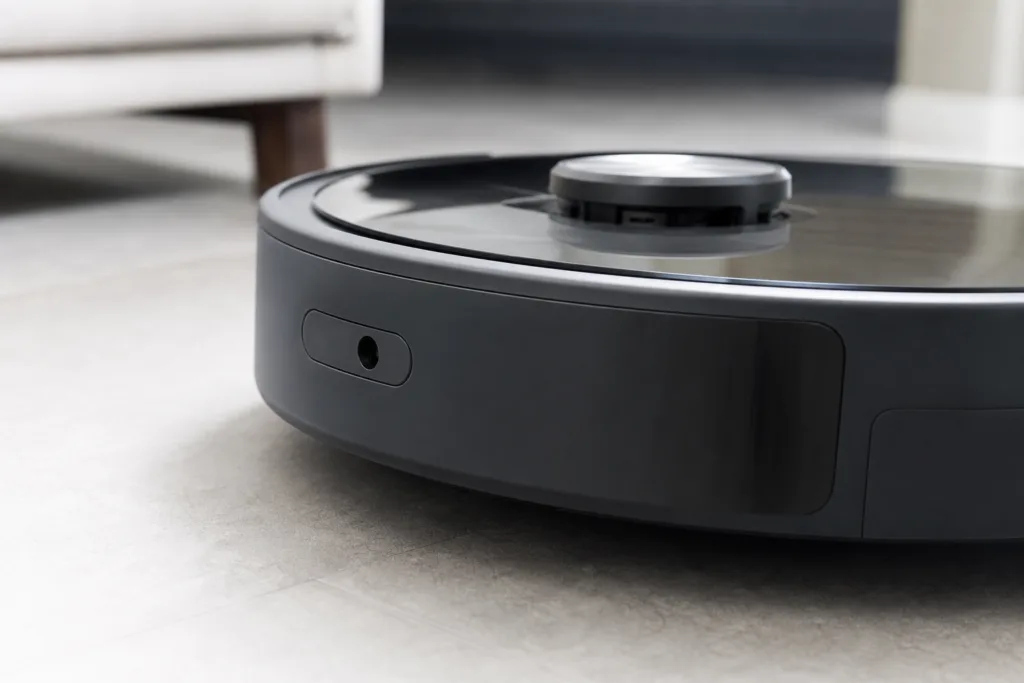
The durability and efficiency of modern robot vacuum cleaners depend heavily on how well their bumpers are bonded. Manufacturers, engineers, and homeowners must pay careful attention to bonding materials, surface preparation, and maintenance routines. With continued innovations in adhesives and automated processes, robots are set to become even more robust and accurate. By understanding and prioritizing quality bumper bonding, every user can enjoy superior cleaning and longer device lifespans.
Frequently Asked Questions
What bonding materials work best for robot vacuum bumpers?
Epoxy, silicone, polyurethane, and acrylic adhesives are commonly used. Selection depends on substrate, durability, and flexibility needs.
How does bumper bonding influence collision detection performance?
Secure bonding ensures collision sensors activate reliably. Poor bonds may cause delayed sensor response or missed triggers during navigation.
Can I repair a detached robot vacuum bumper at home?
Minor re-bonding can be done with manufacturer-approved adhesives, but major repairs should be handled by authorized technicians for safety.
Does bumper bonding affect cleaning efficiency?
Yes, loose bumpers can misalign sensors and wheels, leading to reduced cleaning coverage and navigation accuracy over time.
Are eco-friendly adhesives safe for robot vacuum bumper bonding?
Water-based and low-VOC adhesives are increasingly used in manufacturing; they provide comparable performance and improved safety.
How often should robot vacuum bumpers be checked?
Inspect bumpers monthly or after significant impacts. Look for cracks, adhesive residue, or sensor irregularities to prevent operational issues.
Related Reading
- Unlock Better Bonding with Simple Pot Life Management Rules
- How Adhesion Promoters Help Bond Tough Plastics in Robotics
- Discover How Epoxy Adhesives Deliver Structural Strength in Tech Devices
- Industrial Hot Melt Glue Guns: Best Practices for Manufacturing
- Epoxy Resin Adhesives 101: Essential Guide for Modern Manufacturing