Introduction to Flexible Instant Adhesives for Soft Materials
Flexible instant adhesives for soft materials have quickly become vital across industries like textiles, wearables, crafts, and even medical devices. These unique adhesives offer quick-curing, strong, yet flexible bonds that adapt to soft substrates such as fabrics, foams, leather, and elastomers. The result? Seamless joints, improved comfort, and trouble-free production workflows. But beyond speed, the right adhesive must balance flexibility, bond strength, and reliably fast curing, especially when delicate or pliable parts are involved.
Understanding Flexible Instant Adhesives: Definition and Key Properties
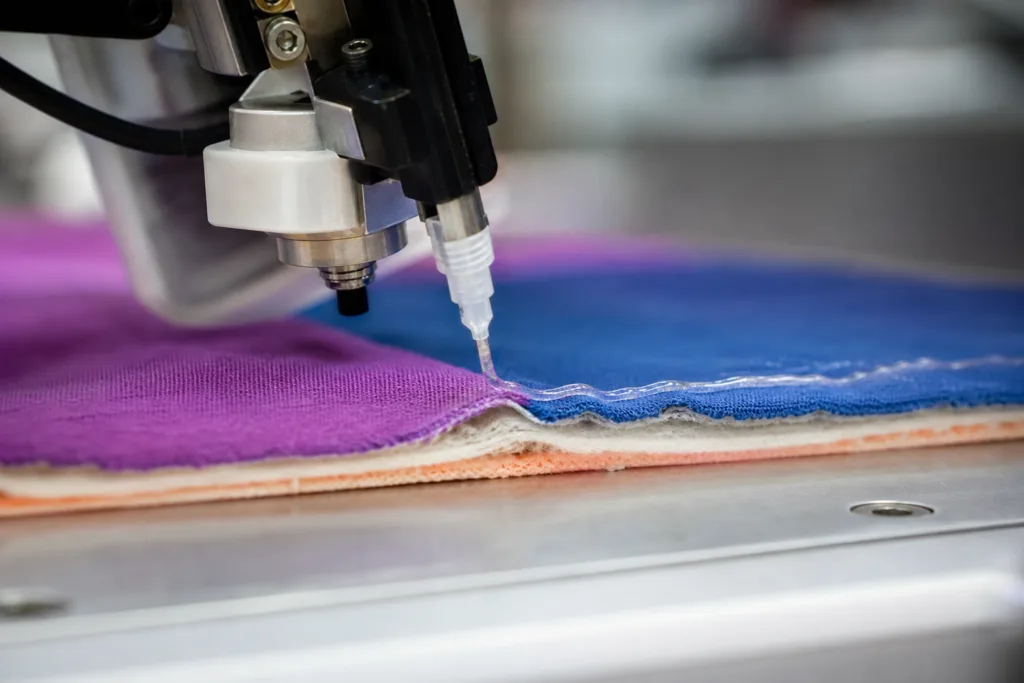
Flexible instant adhesives are specialized bonding agents engineered to cure rapidly and remain flexible, even after setting. Unlike rigid adhesives, these retain stretch and compliance, critical when bonding soft or compressible materials. Their low viscosity options enable easy wicking into fabric weaves or closed-cell foams, while some offer gap-filling for uneven or irregular materials.
How Flexible Instant Adhesives Work: Curing Chemistry and Mechanisms
Most flexible instant adhesives are cyanoacrylate or acrylic-based, modified with plasticizers or rubber-toughening agents. When exposed to moisture from the air or the material surface, they rapidly polymerize, achieving initial bonding in seconds. For challenging or hydrophobic surfaces, activators or primers can boost adhesion—and knowing when to use them is crucial for consistent results.
Where Flexible Instant Adhesives Excel: Common Applications
The breakthrough performance of flexible instant adhesives shines through in multiple sectors:
- Textiles and Garments: Rapid repair, hemming, and patching of fabrics with undetectable seams.
- Medical Devices: Gentle, non-irritating bonds for foam pads, wearable sensors, and elastic medical dressings. See insights on medical device adhesives for disposable products.
- Consumer Crafts: Flexible gluing of leathers, felts, or elastic straps where movement is needed.
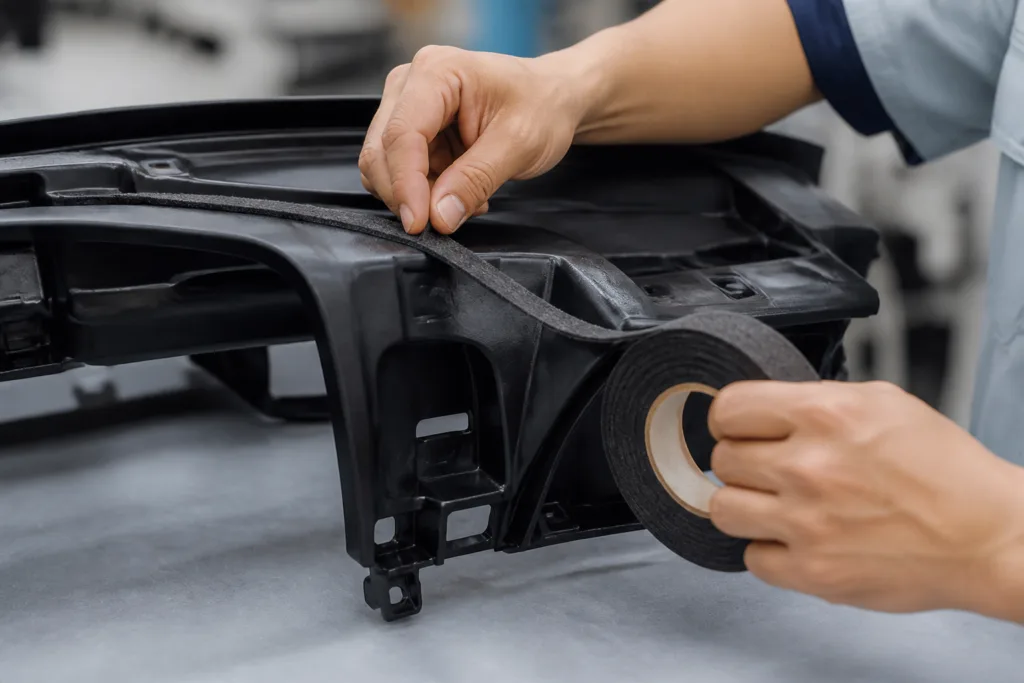
- Automotive Interiors: Attachment of foam gaskets, vibration dampers, or soft trims in dashboards and door panels.
- Electronics: Bonding soft-touch buttons and flexible connectors, or acoustic foams in smart devices.
Types of Soft Materials That Benefit From Flexible Instant Adhesives
- Fabrics and Textiles: Polyester, cotton, nylon, technical knits
- Elastomers: Silicone rubber, polyurethane, natural rubber
- Foams: EVA, polyurethane foam, memory foam
- Leather & Synthetics: For fashion, footwear, and auto interiors
- Flexible Plastics: PVC, TPE, TPU
Key Performance Metrics: Flexibility, Strength, and Cure Time
When assembling with soft adhesives, flexible bonding demands a delicate balance:
- Flexibility: Measured in terms of elongation at break (often 70–400%), crucial for moving or stretching parts.
- Adhesion Strength: Both lap shear and peel strength are vital, especially for wearables or high-stress textiles. Read more about rubber-toughened CA glues and shock resistance.
- Cure Speed: Instant adhesives typically set within 5–60 seconds; full strength develops within hours.
Advantages of Flexible Instant Adhesives for Soft Materials
- Fast Fixture Time: Enhances throughput in assembly lines or field repairs.
- No Stiff Residue: Bond lines flex with the substrate, preventing cracks or delamination.
- Minimal Surface Prepping: Many work well with lightly cleaned, non-primed surfaces.
- Odor and Low Blooming Formulas: Newer formulations reduce white frosting on dark or visible fabrics. For more, see low blooming, low odor super glue chemistry.
- Gap Filling: Some offer enhanced thixotropy to bond irregular or foamed surfaces.
Limitations and Challenges When Bonding Soft Materials
Despite their strengths, bonding soft materials can present issues:
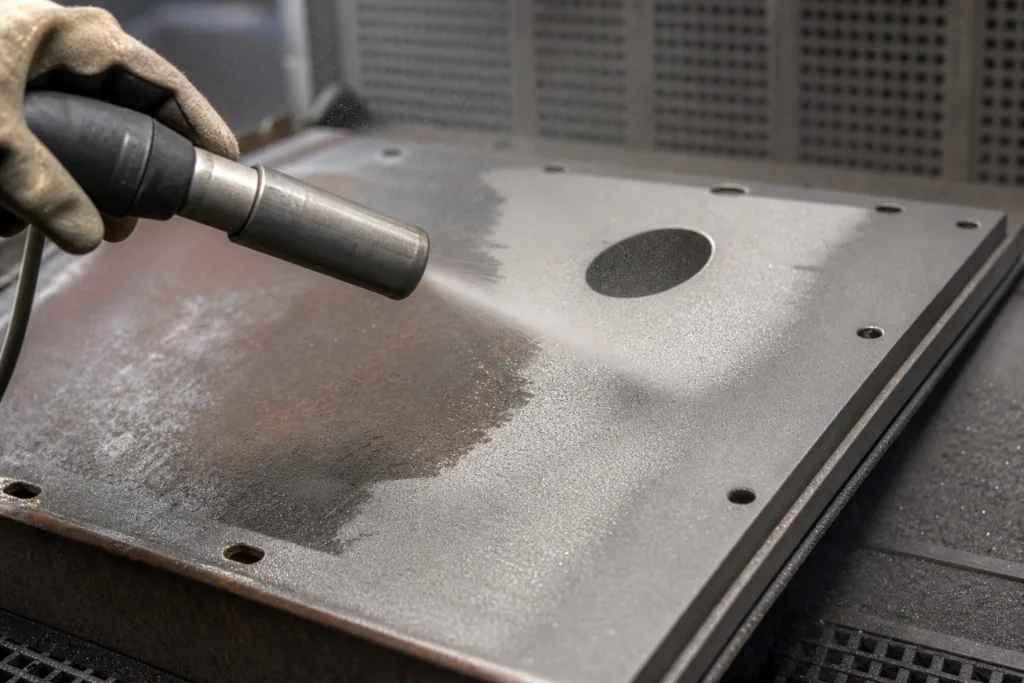
- Surface energies can be low (e.g., silicone, TPE), requiring adhesion promoters or plasma pretreatment.
- Flexible substrates may out-stretch the bond line, necessitating proper adhesive thickness.
- Soft plastics often contain plasticizers, which can migrate over time and affect adhesion.
- Cure exotherm (heat released) can affect sensitive foams or textiles—always test small areas first.
Compatibility: How to Select the Best Flexible Instant Adhesive
Selection criteria include:
- Material type (e.g., foam, elastomer, fabric, flexible plastic)
- Required bond strength and peel resistance
- Cure speed and processing time
- Environmental exposure (moisture, sweat, washing)
- Skin contact and safety (important for wearables/medical use)
Application Techniques: Best Practices for Consistent Bonds
Follow these methods for industrial-grade results:
- Surface Preparation: Clean and dry; roughen low-energy plastics
- Primer Use: For low-surface-energy materials such as PE, PP, or TPE
- Application Method: Apply thinly—less is more—which speeds cure and reduces squeeze-out
- Fixturing: Apply gentle pressure until initial set, generally 10–30 seconds
- Post-Cure Handling: Avoid aggressive handling until full cure, often 1–24 hours depending on the formulation
Flexible Instant Adhesive vs Hot Melt and RTV Silicone: Which to Choose?
| Adhesive Type | Application | Pros | Cons |
|---|---|---|---|
| Flexible Instant | Fabrics, foams, elastomers | Fast cure, flex, low bloom | Limited gap fill, sensitive to some plastics |
| Hot Melt | Bulkier foam, textiles, carton work | Thick beads, good for volume | May stiffen fabrics, slower fixture |
| RTV Silicone | Silicone rubber, wearable seals | Wide temperature, high flexibility | Longer cure, needs precise application |
How Curing Time Impacts Production and Quality
For many manufacturers, fixture time—the time until parts can be handled or moved—matters most. Flexible instant adhesives allow rapid workflow, often enabling “on-the-fly” assembly or last-minute repairs. For production, always verify fixture time on actual materials, factoring in surface porosity and humidity, as these affect real-world results.
Adhesion Strength: How to Assess and Test It
Adhesive manufacturers, including ZDS Adhesive, an industrial adhesive manufacturer, rely on standard tests such as lap shear, peel, and flexible substrate cycling to gauge suitability for flexible bonding. For production, it’s good practice to run your own peel or tear tests, simulating actual use conditions. This helps avoid surprises under dynamic loading. If high loads or repeated flexing are likely, target adhesives with rubber-toughened or modified chemistry.
Moisture, Heat, and UV: Environmental Resistance for Soft Joints
Exposure to washing, sweat, or temperature cycling tests the limits of flexible instant adhesives. Choose adhesives with stated resistance to water or cyclic flex; formulations intended for medical or outdoor use generally perform best. For UV exposure or direct sunlight, verify the adhesive remains flexible and color-stable over time.
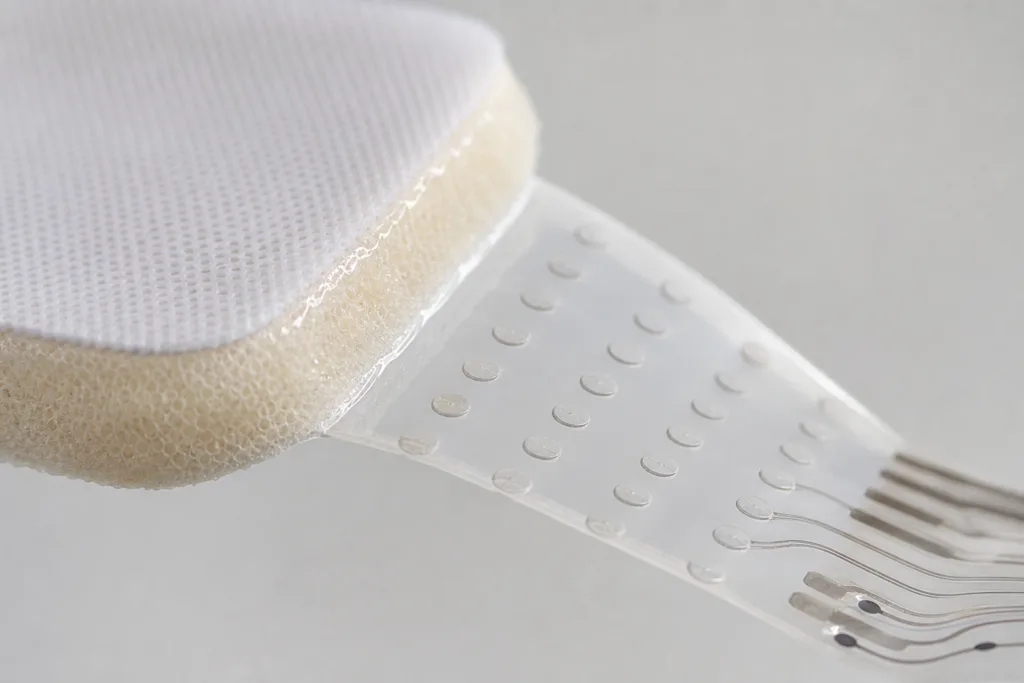
Optimizing Flexibility: Controlling Bond-Line Thickness
Even flexible adhesives can become a weak point if too much or too little is used. Aim for a consistent, thin bond line—ideally 0.05 to 0.25 mm for most fabrics and elastomers. Too thick and the bond may lose compliance; too thin and coverage is incomplete. For highly compressible foams, consider applying adhesive to both faces and lightly pressing surfaces together until set.
When to Use Primers or Adhesion Promoters
Primers are often essential for low surface energy substrates (polyethylene, polypropylene, TPE). They help create a chemical bridge, improving wetting and initial grab for flexible instant adhesives. For critical bonds, plasma or corona treatment can further enhance surface activity—especially in high-speed or automated assembly.
Recommended Flexible Instant Adhesives by Application
| Material | Adhesive Type | Notable Features |
|---|---|---|
| Fabrics (cotton, polyester) | Modified ethyl cyanoacrylate | Fast cure, low odor, soft bond |
| Medical dressings | Flexible medical-grade CA | ISO certified, biocompatible |
| Foam inserts (PU, EVA) | Rubber-toughened CA/hybrid | Peel resistance, shock tolerance |
| Elastomer seals | Flexible acrylic, sometimes with activator | Good with TPE, TPU, silicone |
Case Study: Improving Pad Assembly in Medical Wearables
A medical device assembler faced recurring failures: conventional adhesives stiffened the fabric, leading to cracks during use. Switching to a flexible instant adhesive reduced failures by 80% and dropped assembly cycle time from minutes to seconds, keeping pads comfortable while meeting ISO 10993 biocompatibility standards. Bench tests simulated flexing and sweat exposure, confirming bond reliability over 30-day wear cycles.
Practical Tips: Minimizing Bond Failure in Soft Materials
- When in doubt, small-scale tests (mockups) on the actual production line are essential.
- Monitor humidity; very low humidity can slow cure speed. Consider in-line humidification if needed.
- Avoid stretching materials hard during cure, as this can pre-stress the bond.
- Store parts in recommended conditions to avoid unexpected cure results or surface contamination.
Troubleshooting: Common Failure Modes and How to Fix Them
- Lack of Bond: Usually due to oily substrates or plasticizer migration; clean surfaces thoroughly and use adhesion promoters.
- Brittle Joints: Over-application or using a rigid grade. Switch to plasticizer-modified or rubber-toughened adhesive.
- Slow Cure: Caused by low humidity or low-activity surfaces; try surface activators or adjust processing environment.
- Skin Irritation: For skin-contact applications, only use medically approved grades and check for residues thoroughly.
Flexible Instant Adhesives for Soft Materials
Flexible instant adhesives for soft materials are enabling faster, smarter assembly across industries needing strong but supple joints. By matching adhesive chemistry, cure profile, and substrate requirement, engineers and designers can eliminate common headaches in fabric, foam, or elastomer joining. The right adhesive slashes process time, increases comfort, and boosts long-term reliability—transforming flexible assembly from a process bottleneck into an enabler of innovation.
Conclusion: Future Trends and Practical Takeaways
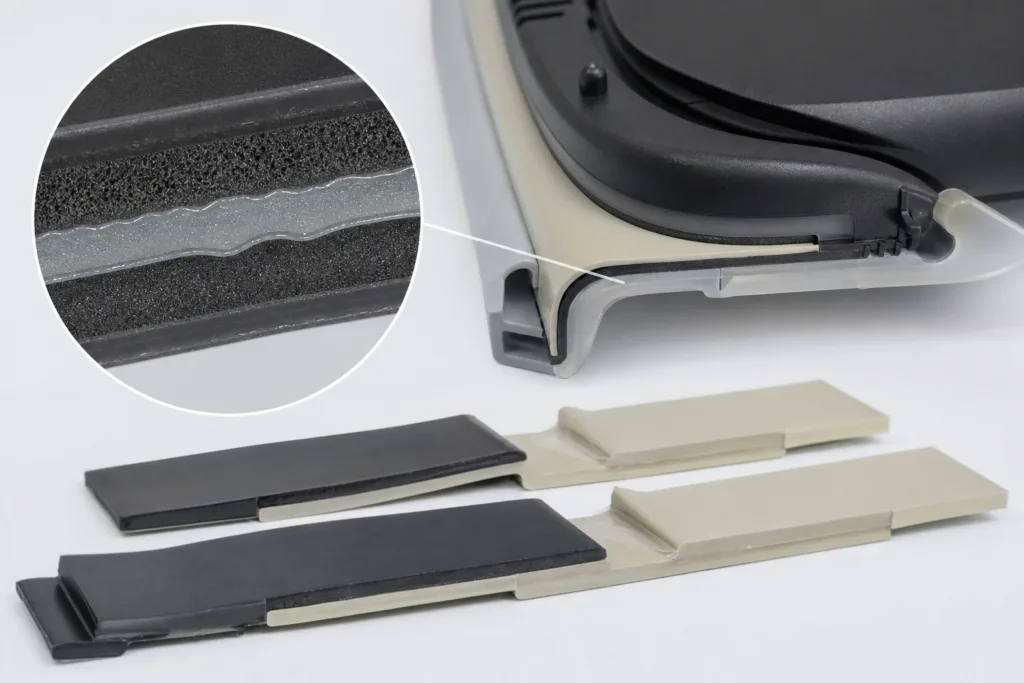
As soft materials feature more in wearables, health-tech, and smart textiles, the demand for flexible, instant bonding agents will only rise in 2026 and beyond. Selection now hinges on total performance: fast but durable, strong but not brittle, safe for skin and harsh environments alike. By controlling surface prep, environmental factors, and test protocols, teams can make each bond reliable and invisible. From crafts to critical devices, flexible instant adhesives now make soft joining simpler, faster, and more dependable than ever before.
Frequently Asked Questions
What are flexible instant adhesives used for in soft materials?
They join or repair fabrics, foams, elastomers, and flexible plastics quickly while maintaining stretch and comfort, common in textiles, medical devices, and crafts.
How do flexible instant adhesives differ from standard super glues?
Flexible instant adhesives remain elastic when cured and resist cracking or peeling during bending, unlike standard cyanoacrylates which may turn brittle.
Can flexible instant adhesives bond silicone and low-energy plastics?
Yes, but they typically require primers or surface treatment for reliable adhesion; otherwise, bonding may be weak or inconsistent.
Are these adhesives safe for skin or medical applications?
Medical-grade versions are engineered to meet safety standards, but only formulations certified for skin contact or biocompatibility should be used.
Why does humidity affect the cure speed of instant adhesives?
The chemistry relies on moisture to trigger rapid polymerization, so low humidity can slow cure; adjust application conditions for best results.
What is the best way to prevent bond failure with soft materials?
Always clean surfaces, use the correct adhesive for the substrate, control bond-line thickness, and test under real-world conditions before finalizing your process.