
E-mail

Sale01@epoxyresinfactory.com
sale04@epoxyresinfactory.com

Contact

Tel: 86-755-84875752
Fax: 86-755-84875750

Address

4F,Longyuntong Building, No. 164-5 Pengda Road, Longgang District, Shenzhen

Author name: ZDS Adhesive

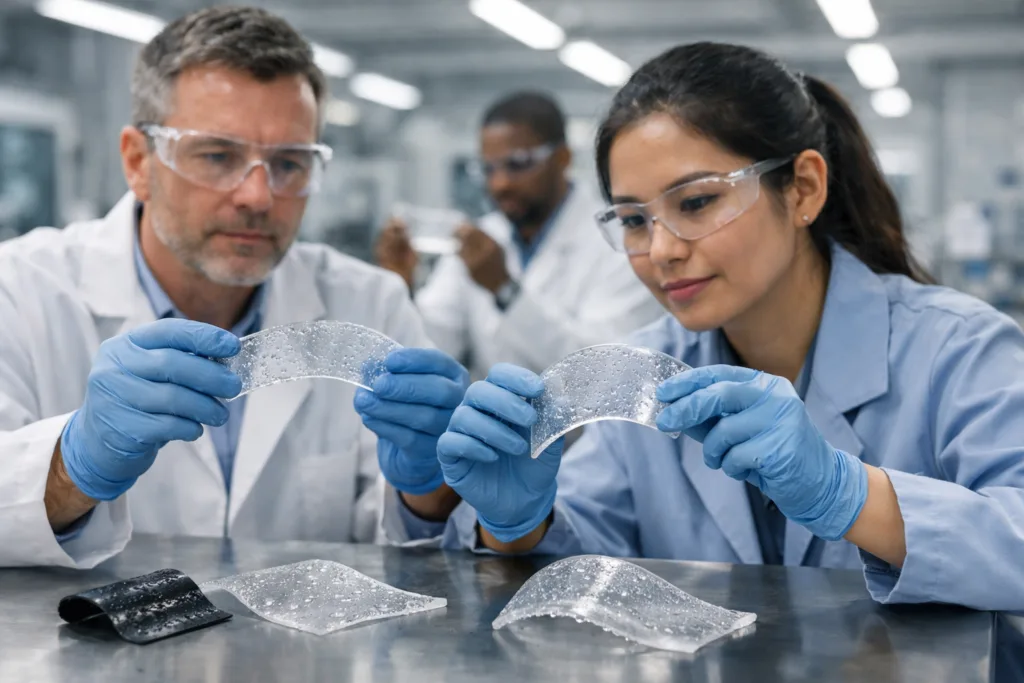
A detailed view of an electrical assembly protected by epoxy as it undergoes a controlled humidity test, illustrating the importance of moisture resistance for insulation.

7 Ways Water Absorption Undermines Epoxy Insulation: Expert Electrical Protection Secrets

Understanding Water Absorption in Epoxies: The Backbone of Electrical Insulation Epoxy materials are widely used for electrical insulation due to their excellent dielectric properties, mechanical strength, and chemical resistance. However, water absorption can influence these key characteristics, threatening both short- and long-term reliability. In this guide, we explore how water absorption in epoxies directly affects […]

7 Ways Water Absorption Undermines Epoxy Insulation: Expert Electrical Protection Secrets Read More »

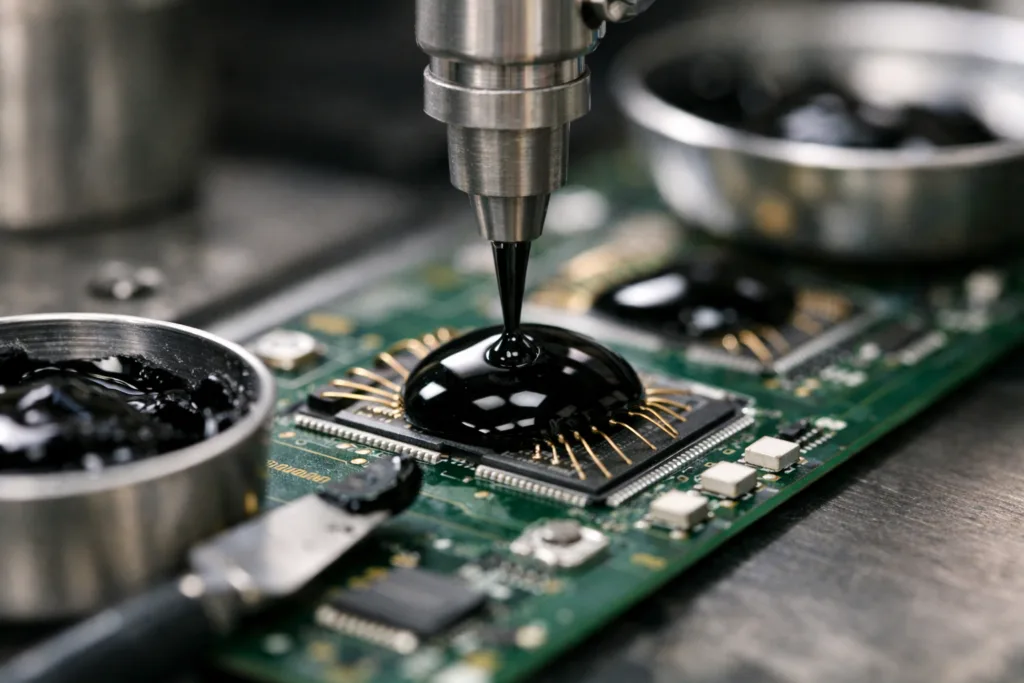
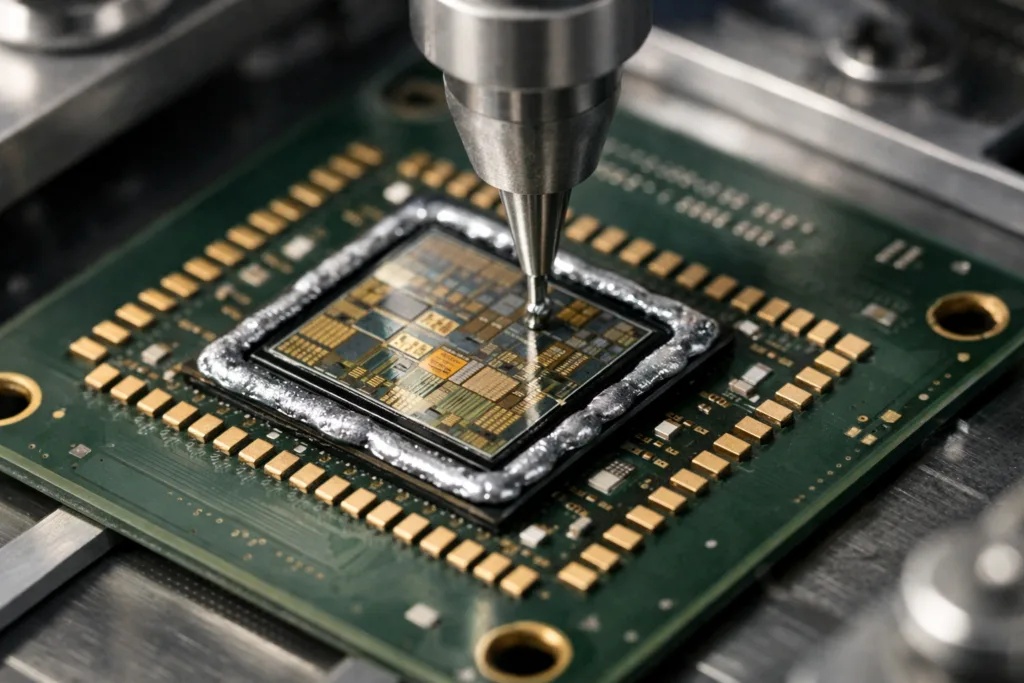
A detailed close-up of a micro-potting process as epoxy is applied to a micro-sized smart ring PCB, setting the stage for high-reliability wearable electronics.

How Micro-Potting Maximizes Smart Ring Reliability: The 2026 Guide

Introduction: Why Micro-Potting Matters for Smart Rings Micro-Potting for Smart Ring Electronics is not just a technical detail—it’s the backbone for durable, high-performance wearable tech. As smart rings become smaller yet more powerful, even the tiniest exposure to moisture, dust, or vibration can mean a quick failure. The solution? Micro-potting: a method where specialized materials

How Micro-Potting Maximizes Smart Ring Reliability: The 2026 Guide Read More »

A technical image illustrating pouch cell side plates undergoing laboratory chemical resistance testing, emphasizing adhesive joints and materials used.

How Chemical Resistance Defines the Longevity of Bonded Pouch Cell Side Plates

Introduction: Why Chemical Resistance Matters for Pouch Cell Side Plate Bonding In battery manufacturing, ensuring the chemical resistance of bonded pouch cell side plates is vital for both safety and performance. These plates protect cell internals from chemical exposure, which can come from electrolytes, cleaning agents, or external contaminants. As electric vehicles and energy storage

How Chemical Resistance Defines the Longevity of Bonded Pouch Cell Side Plates Read More »

A controlled lab setup illustrating the effects of UV exposure on epoxy resin, with clear and yellowed samples side-by-side under UV lamps.

Epoxy Yellowing and UV Resistance: 7 Key Steps to Keep Your Projects Crystal Clear

Understanding Epoxy Yellowing and UV Resistance Epoxy is prized for its clarity, strength, and versatility, but even the best formulations can fall victim to an unappealing transformation: yellowing. Why does epoxy turn yellow—and how does UV resistance come into play in preserving its color and clarity over time? In this article, we’ll dig into the

Epoxy Yellowing and UV Resistance: 7 Key Steps to Keep Your Projects Crystal Clear Read More »

Shows UV glue precisely applied to AR/VR glass lens, emphasizing process control and optical clarity.

How High-Transparency UV Glues Are Setting a New Standard for AR/VR Lens Assembly in 2026

Introduction: The Critical Role of UV Glues in AR/VR Lens Assembly High-transparency UV glues are transforming AR/VR lens assembly in 2026, offering unmatched optical clarity and lasting durability. From smartphones to enterprise headsets, the quality of lens bonding affects everything—from user immersion to device reliability. Epoxy adhesive solutions often play a supporting role where hybrid

How High-Transparency UV Glues Are Setting a New Standard for AR/VR Lens Assembly in 2026 Read More »

A photorealistic scene showing the application of a TIM gap filler pad between a PCB and a heat sink, illustrating the importance of thickness in electronics cooling.

How TIM Gap Filler Thickness Impacts Efficiency: An Engineer’s Guide

Introduction: Understanding TIM Gap Fillers—Why Thickness Matters When electronic devices heat up, their performance and lifetime are at stake. That’s why Thermal Interface Materials (TIMs)—including gap fillers—are so essential. But, in real-world assembly, one question arises: How does the thickness of a TIM gap filler impact efficiency? This article unlocks the relationship between TIM gap

How TIM Gap Filler Thickness Impacts Efficiency: An Engineer’s Guide Read More »

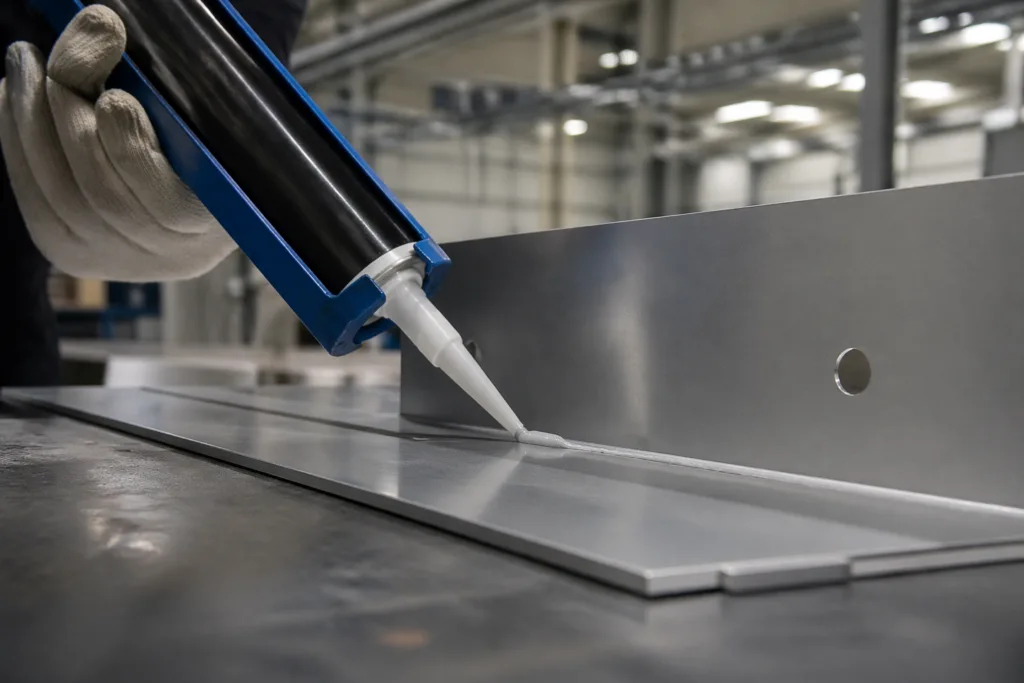
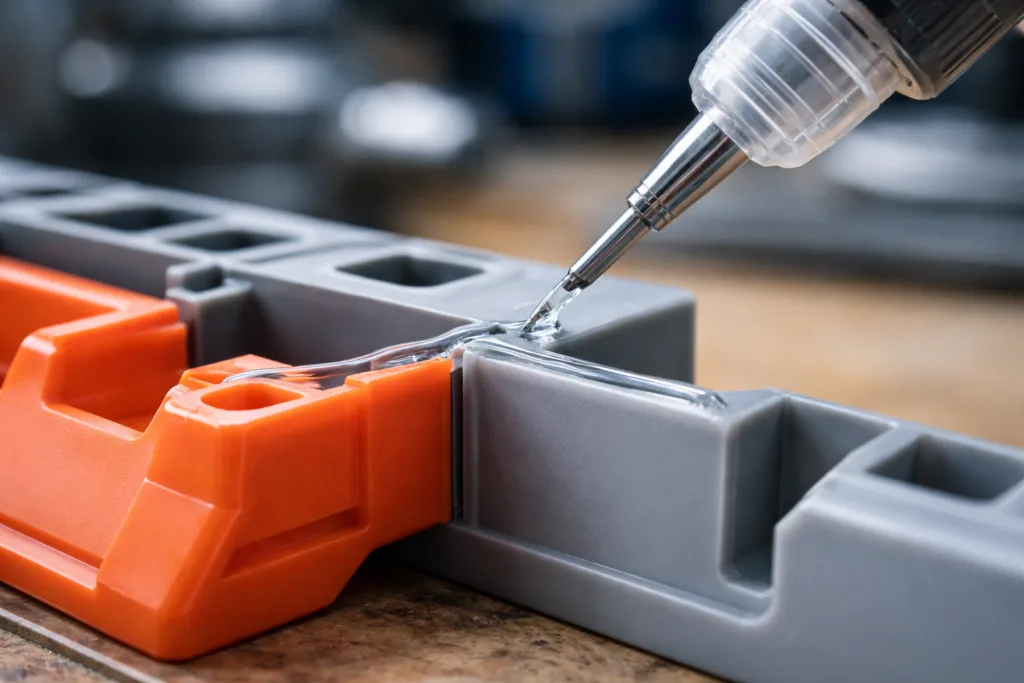
This photo captures toughened epoxy adhesive being dispensed between two prepped metal plates, emphasizing its application and role in improving peel strength and impact resistance for industrial metal bonding.

How Toughened Epoxies Are Transforming Metal Adhesion in 2026

Introduction: Why Are Toughened Epoxies Reshaping Metal Bonding? Toughened epoxies have become a go-to solution for industries and professionals seeking reliable adhesion where durability and flexible performance are paramount. This article examines toughened epoxies: increasing peel strength & impact resistance—an innovation that troubleshoots the age-old problem of brittle joints in metal bonding, especially under dynamic

How Toughened Epoxies Are Transforming Metal Adhesion in 2026 Read More »

An industrial scene showing PUR hot melt adhesive precisely dispensed on a phone back cover, highlighting the automation and accuracy needed in modern electronics assembly.

Expert Comparison: PUR Hot Melt vs. Epoxy for Phone Back Covers – Which Wins?

Understanding the Essentials: PUR Hot Melt vs. Epoxy Adhesives for Phone Back Cover Bonding When it comes to PUR Hot Melt vs. Epoxy: Phone Back Cover Bonding Guide, decision-makers—from OEMs to repair technicians—face crucial choices that affect long-term device durability and process efficiency. This comprehensive guide demystifies the characteristics, strengths, and limitations of each adhesive

Expert Comparison: PUR Hot Melt vs. Epoxy for Phone Back Covers – Which Wins? Read More »

This scene shows an electric vehicle battery module shielded by a UL94 V-0 rated enclosure, highlighting preventive design for thermal runaway.

The Essential Guide to Preventing Thermal Runaway: How UL94 V-0 Solutions Keep Batteries Safe

Introduction to Thermal Runaway and Fire-Retardant (UL94 V-0) Solutions Thermal runaway is one of the most concerning risks in battery-powered devices and electronics today. When unchecked, it can lead to dangerous fires or explosions, making prevention vital for manufacturers and users alike. Fire-retardant materials certified as UL94 V-0 are now the gold standard for controlling

The Essential Guide to Preventing Thermal Runaway: How UL94 V-0 Solutions Keep Batteries Safe Read More »

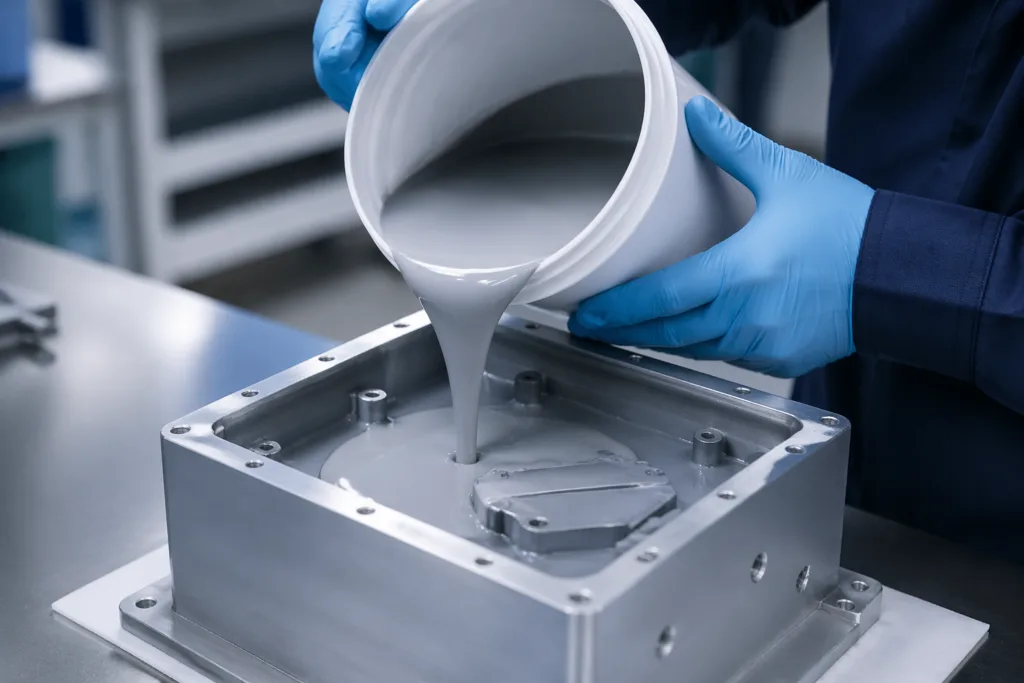
A photo-realistic depiction of technicians applying silicone and polyurethane potting to battery modules inside a high-tech laboratory.

Which Potting Compound Is Best for Your Battery Module? Pros & Cons of Silicone vs. Polyurethane Explained

Introduction: Silicone vs. Polyurethane Potting for Battery Modules When it comes to protecting battery modules in electric vehicles, renewable storage, consumer electronics, and industrial power systems, the potting material choice is critical. Silicone potting and polyurethane potting are the two leading contenders, each bringing distinctive attributes to the table. Understanding their pros and cons—especially regarding

Which Potting Compound Is Best for Your Battery Module? Pros & Cons of Silicone vs. Polyurethane Explained Read More »

A laboratory setup demonstrates how glass transition temperature (Tg) is measured in epoxies using precision thermal analysis equipment, highlighting the technical importance of this property in industry.

Unlocking Epoxy Performance: 13 Key Insights into Glass Transition Temperature (Tg) and Industrial Durability

Introduction: The Role of Glass Transition Temperature (Tg) in Epoxy Performance When considering industrial adhesives or consumer-grade epoxies, a single material property can mean the difference between flawless performance and unexpected failure: the Glass Transition Temperature (Tg). In this guide, we explore Understanding Glass Transition Temperature (Tg) in Epoxies—explaining what Tg is, how it’s measured,

Unlocking Epoxy Performance: 13 Key Insights into Glass Transition Temperature (Tg) and Industrial Durability Read More »

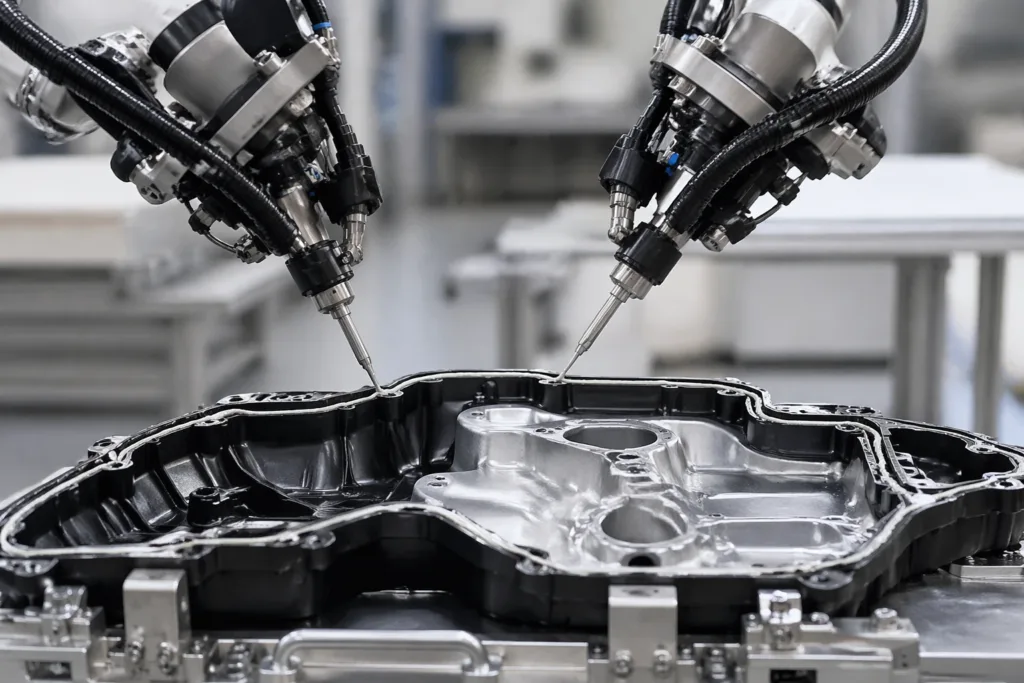
Showing robust automation as structural adhesives are precisely dispensed in smart battery pack construction, highlighting technical control.

7 Key Differences: Structural vs. Thermal Adhesives for CTP Battery Innovation

Understanding Structural vs. Thermal Adhesives in CTP Technology In battery assembly, especially within innovative cell-to-pack (CTP) designs, two adhesive types take center stage: structural adhesives and thermal adhesives. Both impact how battery modules are built, but their roles and performance traits differ sharply. As CTP technology redefines the future of electric vehicles and stationary energy

7 Key Differences: Structural vs. Thermal Adhesives for CTP Battery Innovation Read More »

A close-up scene of epoxy being applied with a syringe onto metal parts on an automated assembly line, highlighting the technical and precise process associated with 1-part and 2-part epoxy mixing and curing.

Expert Guide: 1-Part vs. 2-Part Epoxy Mixing Ratios & Curing Profiles for Perfect Industrial Bonds

Introduction: Understanding 1-Part vs. 2-Part Epoxy—Mixing Ratios & Curing Profiles Epoxy adhesives have become essential across industries ranging from electronics assembly to automotive manufacturing and metal fabrication. When choosing an epoxy solution, understanding the significant differences between 1-part (single-component) and 2-part (two-component) systems can improve project outcomes, reduce failures, and ensure optimal performance. This article

Expert Guide: 1-Part vs. 2-Part Epoxy Mixing Ratios & Curing Profiles for Perfect Industrial Bonds Read More »

A technical macro view of a foldable phone hinge where flexible adhesives bond complex layers, highlighting key materials and industry innovation.

10 Breakthroughs in Foldable Phone Hinge Bonding: Flexible Adhesive Solutions Explained

Introduction to Foldable Phone Hinge Bonding: Flexible Adhesive Solutions Foldable phones are redefining the future of mobile devices. What makes these innovative phones both reliable and stylish is the secret inside—the adhesive technology that holds their ultra-complex hinges together. Foldable Phone Hinge Bonding: Flexible Adhesive Solutions have evolved dramatically, offering unprecedented flexibility and durability. In

10 Breakthroughs in Foldable Phone Hinge Bonding: Flexible Adhesive Solutions Explained Read More »

This image captures a jetting system applying adhesive on the narrow bezel of a smartphone frame, illustrating advanced manufacturing for high-precision electronics assembly.

Why Jetting is Winning: Jetting vs. Needle Dispensing for Narrow Bezel Phones Explained

Introduction: Jetting vs. Needle Dispensing for Narrow Bezel Phones The relentless pursuit of thinner, sleeker mobile devices has led smartphone manufacturers to the narrow bezel phone—a design revolution where visible screen borders shrink to mere millimeters. To achieve the precision required in assembling these advanced devices, engineers must choose between two high-precision dispensing technologies: jetting

Why Jetting is Winning: Jetting vs. Needle Dispensing for Narrow Bezel Phones Explained Read More »

A robotic arm dispenses adhesive onto the acoustic mesh in TWS earbud assembly. Scene highlights precision and cleanliness essential for waterproof bonding processes.

Expert Guide: Waterproof Bonding for TWS Earbuds Acoustic Mesh Assembly

Introduction to Waterproof Bonding for TWS Earbuds: Acoustic Mesh Assembly True wireless stereo (TWS) earbuds have transformed how we experience sound on the go. Yet, with daily exposure to moisture, sweat, and environmental changes, waterproofing remains a critical design challenge. One of the most vital assembly steps is bonding the acoustic mesh—a fine barrier that

Expert Guide: Waterproof Bonding for TWS Earbuds Acoustic Mesh Assembly Read More »
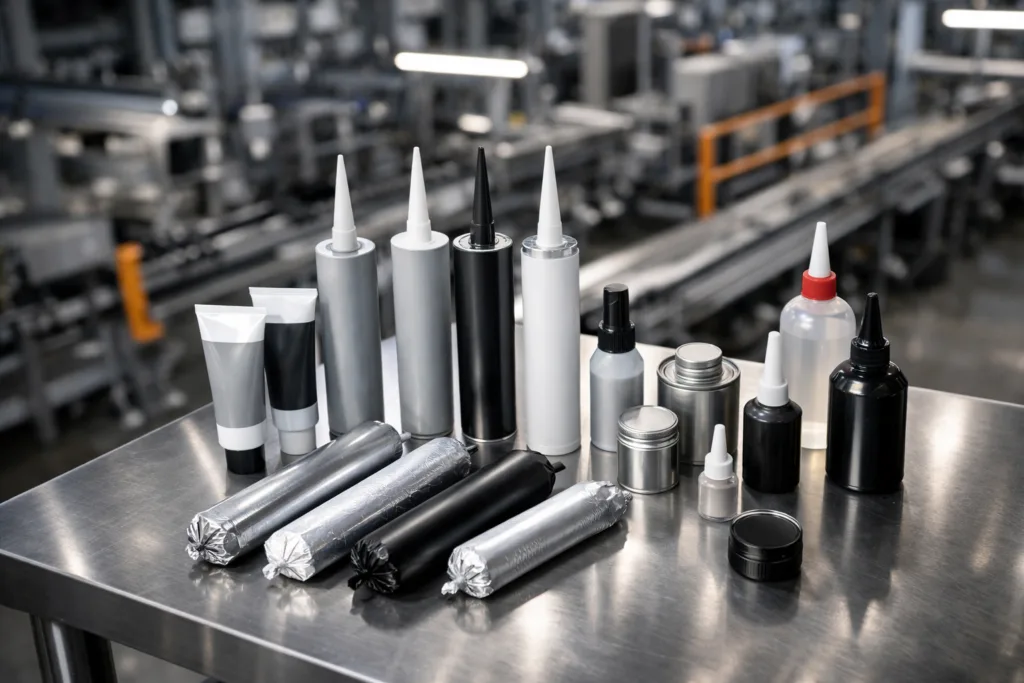
A technician dispenses thermal adhesive between EV battery cells to improve heat management and cell stability in the manufacturing process.

Top Factors for Selecting Thermal Conductive Adhesives in EV Battery Packs

Understanding the Role of Thermal Management in EV Battery Packs Effective thermal management is the cornerstone of safe, long-lasting, and high-performing EV battery packs. With electric vehicles powering our roads in 2026, battery temperatures can reach critical levels during operation and charging. If not properly managed, overheating triggers performance drops and decreases battery lifetime, sometimes

Top Factors for Selecting Thermal Conductive Adhesives in EV Battery Packs Read More »

An assembly technician precisely applies skin-safe adhesive (ISO 10993) to a smartwatch back cover for secure, safe skin contact.

Ultimate Guide: Skin-Safe Adhesives (ISO 10993) for Smartwatches in 2026

Introduction: Why Skin-Safe Adhesives (ISO 10993) for Smartwatches Matter in 2026 Smartwatches have become a daily accessory for people of all ages, but few consider the safety of the materials that touch their skin. The use of skin-safe adhesives (ISO 10993) in smartwatch manufacturing is now a vital standard. These specialized adhesives ensure user comfort,

Ultimate Guide: Skin-Safe Adhesives (ISO 10993) for Smartwatches in 2026 Read More »

Scroll to Top

💬 Let’s Build Something Strong Together

Have a project in mind or need a reliable adhesive solution?
Our experts are ready to help — just drop us a message!

✅ Tailor-made adhesive formulations
✅ Fast lead times & global shipping
✅ Trusted by manufacturers worldwide

📩 Leave your details and let’s make it happen.
We’ll get back to you within 24 hours.

Look out for emails from @zdschemical.com.

ZDSâ„¢ Adhesive manufacturer

Free Access to Test Samples or Quote

Response time as fast as 30 minutes.

📧 Prefer a fast reply? Email us directly at: Sale01@epoxyresinfactory.com
ZDS Adhesive Manufacturer

Not Sure Which Adhesive Fits?

Our engineers are ready to help. Drop us a message.

📧 Prefer a fast reply? Email us directly at: Sale01@epoxyresinfactory.com