Understanding Low Outgassing and Camera Lens Fogging
Camera lenses are at the core of our digital world, whether used in smartphones, vehicles, industrial vision systems, or scientific equipment. One persistent challenge for maintaining lens clarity and performance is fogging—often caused by the release of volatile chemicals from materials inside the camera, particularly adhesives. Low outgassing adhesives are engineered to address this issue, directly influencing image quality, device reliability, and performance in diverse environments.
What is Outgassing in Adhesives?
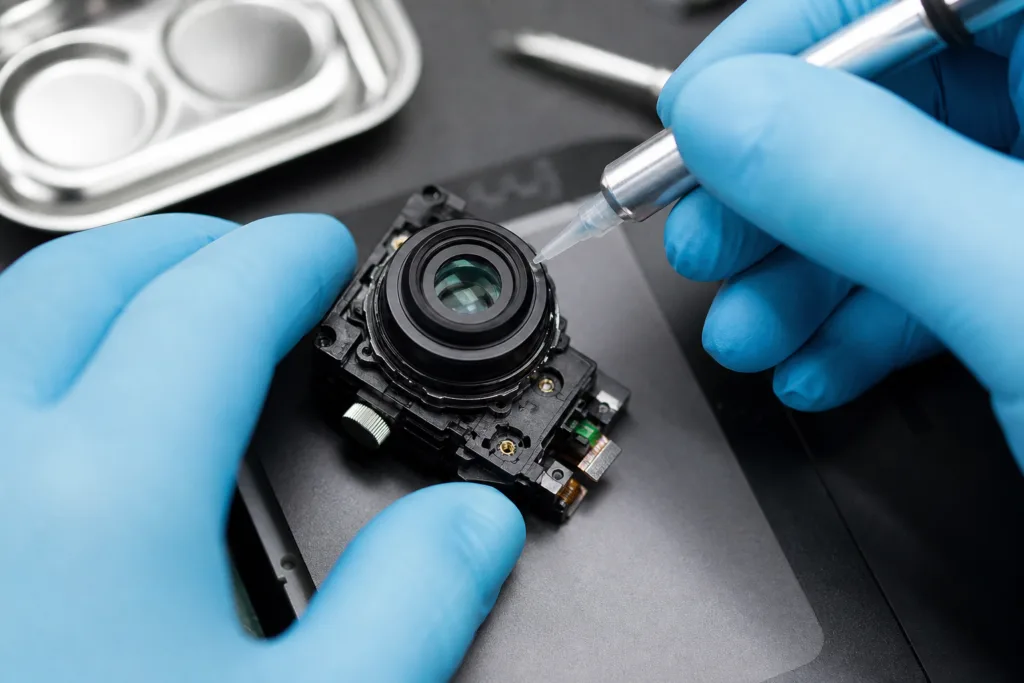
Outgassing happens when volatile organic compounds (VOCs) or other chemicals escape from an adhesive after it cures. Even traces of these chemicals can condense and collect on nearby surfaces. For optical assemblies, including camera modules, this typically means lens haze, smears, or stubborn fogging that are almost impossible to remove once formed. Low outgassing adhesives are formulated to minimize these emissions and avoid contaminating sensitive optical elements.
Why Camera Lens Fogging is a Critical Problem
Fogging on camera lenses is more than a nuisance—it degrades imaging resolution, causes blurry photos, and disrupts crucial systems such as automotive cameras or surveillance. In harsh or humid climates, the risk increases as environmental moisture can accelerate vapor condensation. The consequences aren’t just aesthetic: in some cases, camera fogging even jeopardizes safety or industrial quality assurance. That’s why using the right adhesive isn’t optional—it’s foundational.
How Outgassing Causes Camera Lens Fogging
The process is simple but serious. When adhesives with high outgassing are used in lens assembly, chemicals migrate and stick to the coldest surface—the lens or optical window—during temperature cycling or humidity exposure. These fine deposits create a visible haze or fog, especially under backlighting or during rapid temperature shifts. Over time, these deposits build up and are extremely difficult to clean. Fogging can also worsen when assembly is performed quickly or at high volume without proper process checks. For practical guidance on process control, you can explore how liquid dispensing machines should be configured for different adhesives to prevent mishandling and reduce contamination risks.
Key Properties of Low Outgassing Adhesives
Low outgassing adhesives are engineered with strict controls over residual solvents, unreacted monomers, and additives. Here are the features you should prioritize:
- Low Total Mass Loss (TML) and Collected Volatile Condensable Material (CVCM): These parameters, often measured following ASTM E595, indicate the adhesive’s cleanliness for sensitive applications.
- Fast, Complete Cure: Reduces the release of chemical byproducts that could later deposit on lenses.
- Low Shrinkage: Maintains alignment and minimizes gaps that might promote outgassing.
- Thermal and Humidity Resistance: Withstands temperature swings without releasing new volatiles over time.
Which Adhesive Chemistries Offer Low Outgassing?
Not all adhesives are equal for optical assembly. Here’s how common chemistries perform:
| Adhesive Type | Outgassing | Optical Clarity | Typical Use |
|---|---|---|---|
| Epoxy (Low Outgassing Grades) | Very Low | High (Some grades) | Lens Barrel Bonding, Sensor Attachment |
| Silicone (Optical/Low Outgassing) | Extremely Low | Excellent | Window Sealing, Environmental Gaskets |
| UV-Curing Acrylics | Low to Moderate (Depends on cure depth) | High | Lens Assembly, Edge Bonding |
| Polyurethane | Moderate (Choose specialty types) | Good | Flexible Bonding in Rugged Modules |
To learn more about the pros and cons of thermal and softer adhesives in electronics, see this expert guide to thermal epoxy and alternatives.
Examples of Low Outgassing Adhesive Materials
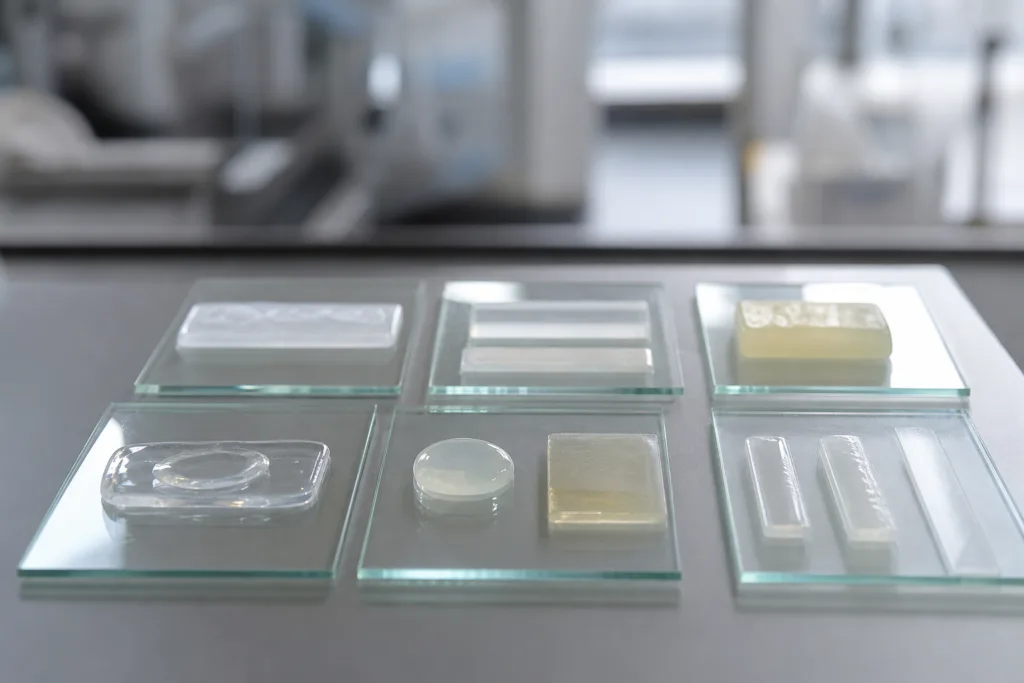
- Optically Clear Epoxy: Used in smart device cameras; carefully formulated to minimize VOCs and provide thermal stability.
- Specialty RTV Silicone: Offers flexible, low-outgassing bonds for gaskets and windows that require movement and water resistance.
- UV-Curing Acrylates: Speed up assembly and create clear, nearly invisible bonds. Low shrinkage versions outperform in camera modules.
Certifications and Testing for Low Outgassing
Dependable adhesives for camera modules are typically tested to:
- ASTM E595 (Total Mass Loss & CVCM measurement)
- ISO 14644 (for cleanroom compatibility)
- Optical fogging resistance under thermal cycling/humidity
Choosing a material that passes these standards reduces field failures and increases lens assembly yield.
Application Best Practices for Crystal-Clear Optics
Even the best adhesives must be handled with care for flawless lenses. Keys to success:
- Work in a Clean, Controlled Environment: Limit airborne particulates and vapor exposure.
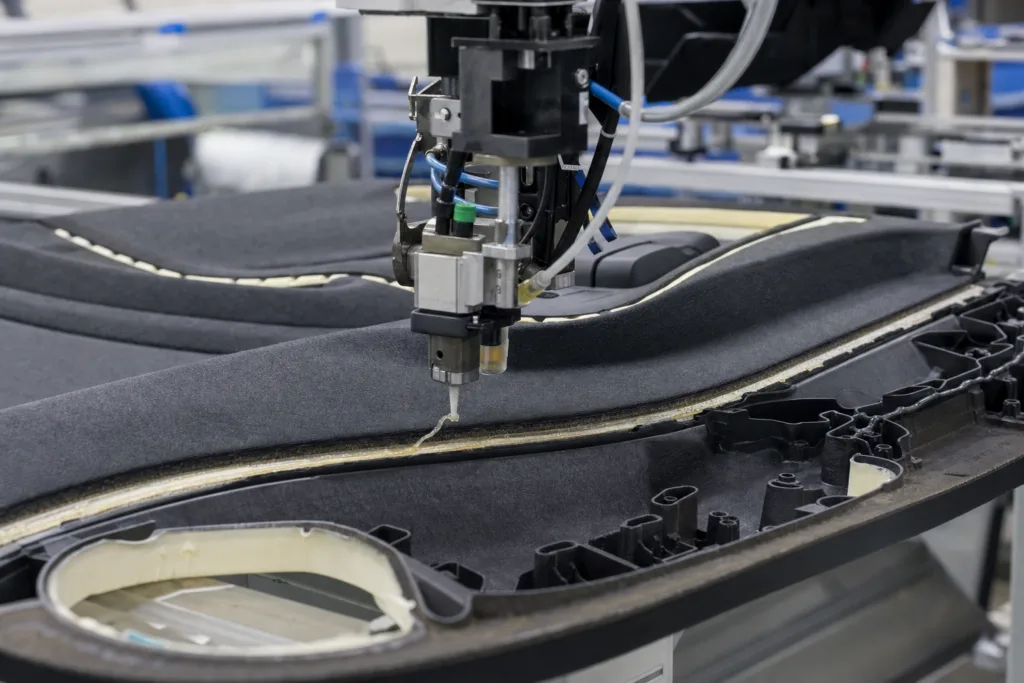
- Dispense Precisely: Automated adhesive dispensers ensure repeatable bond lines and prevent excess adhesive. For a deeper dive, see how automated adhesive dispensing systems improve process stability.
- Allow Full Cure: Ensure adhesives fully crosslink before lens and housing assembly; partial cures often lead to hidden fogging weeks later.
- Monitor Humidity and Temperature: Both can influence outgassing; pre-conditioning materials and components pays off with clearer optics.
Case Study: Smartphone Camera Module
Modern smartphone camera modules are assembled at massive scale, with each bond critical to long-term performance. Switching from a standard fast-curing epoxy to a low outgassing class reduced lens haze rates by 85% in humidity-soak tests—directly improving production pass rates. Introduction of automated dispensing and thermal post-cure cycles further cut fogging complaints from end-users by more than half.
Challenges When Switching to Low Outgassing Adhesives
Adopting these specialized materials might require setup changes: curing ovens, dispensing equipment, and worker training. Some low-outgassing chemistries cure slower, or need UV equipment. From an engineering perspective, these process tweaks quickly pay back when warranty returns and false defects drop due to clearer optics and fewer field failures.
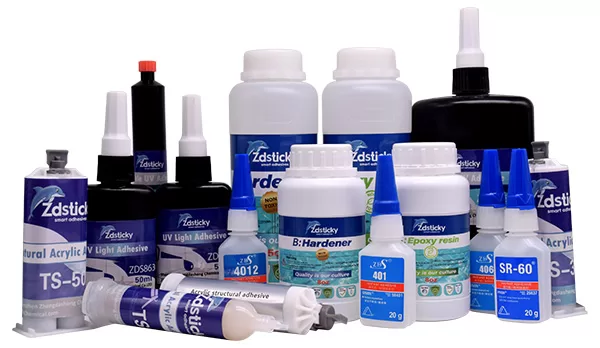
How ZDS Adhesive Approaches Low Outgassing Applications
ZDS Adhesive, an industrial adhesive manufacturer, focuses on measurable optical cleanliness standards for all camera lens sealing and bonding products. We regularly test lap shear, peel, and humidity fogging resistance, and recommend adhesives based on actual device constraints: substrate type, environmental cycles, and needed fixture time. Our application engineering routinely integrates lessons from automotive, security, and consumer electronics—enabling customers to specify assembly conditions for near-zero haze and low rework rates.
Environmental and Regulatory Demands
As devices shrink and optics become more advanced, environmentally friendly adhesive formulations are in demand. Low VOC content isn’t just for performance—it’s a regulatory requirement in many markets. Safe, VOC-compliant materials reduce worker exposure while contributing to long-term air quality within devices and in production settings. See how non-toxic sealants balance safety and performance in this overview of eco-friendly, non-toxic waterproof sealants.
Design Tips for Weather-Resilient Camera Assemblies
- Specify adhesives with a proven track record for your climate zone and intended use (vehicle, outdoor monitoring, industrial settings, etc.).
- Use conformal coatings or moisture barriers alongside low outgassing adhesives for ultimate lens protection.
- Run humidity-soak and freeze/thaw testing as standard process checks.
Cost vs. Quality: Is Low Outgassing Worth the Investment?
Cost concerns sometimes lead manufacturers to compromise with general-purpose adhesives—but lens replacements, product recalls, and dissatisfied customers are far more expensive. The up-front switch to specialty adhesives is often justified in projected cost-of-quality savings over the product’s lifespan, especially in high-value market segments like automotive cameras or advanced security systems.
Low Outgassing Adhesives to Prevent Camera Lens Fogging
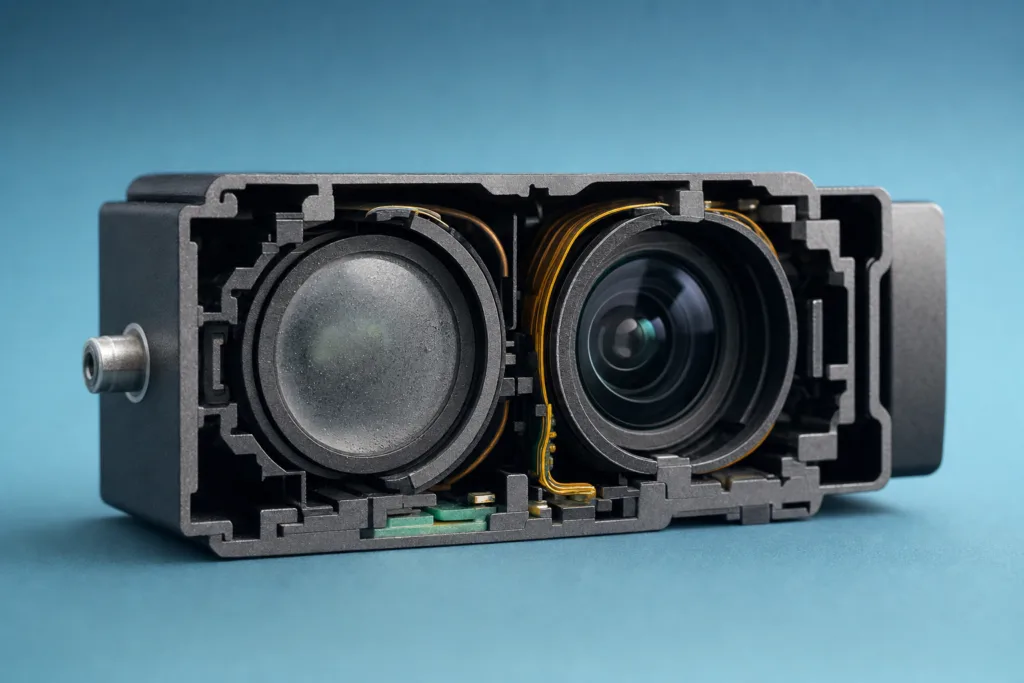
Summing up, camera assembly success hinges on the invisible choices made before the lens is installed. Low outgassing adhesives are an essential specification if you wish to maintain peak clarity, minimize rework, and withstand changing environments. When visibility and precision are your final deliverables, preventing condensation and fogging at the chemical level is the surest way to deliver quality—every time.
Frequently Asked Questions
What is the main risk of using high outgassing adhesives in camera lenses?
These adhesives can emit vapors that condense on lens or sensor surfaces, causing irreversible fogging and degrading photo or video performance over time.
How is adhesive outgassing measured?
Standard lab tests like ASTM E595 determine Total Mass Loss (TML) and Collected Volatile Condensable Material (CVCM), both indicators of an adhesive’s suitability for optics.
Is full adhesive cure required before camera lens assembly?
Yes, adhesives must be permitted to fully cure to prevent residual volatilization that leads to later fogging or haze on optical surfaces.
Do low outgassing adhesives cost more?
They may have a slightly higher cost, but savings in warranty reduction and fewer production defects typically outweigh the extra material expense.
Which adhesive types are best for zero-fog optical assemblies?
Optically clear epoxies, RTV silicones formulated for electronics, and advanced UV curable materials are all strong contenders when rated for low outgassing.
Should humidity and thermal cycling tests be mandatory for camera modules?
Yes—they are critical quality steps to ensure adhesives will not contribute to condensation or fogging in real-world operating conditions.
Related Reading
- How Active Alignment UV Adhesives Revolutionize Automotive Camera Production in 2026
- Complete Guide: Picking the Right Epoxy Adhesive for Optical Precision – 2026 Insights
- Discover How High-Strength Epoxy Adhesives Improve Reliability in Demanding Industrial Applications
- OCA vs. LOCA: The Clear Decision for Electronics and Display Bonding
- Hot Melt Adhesives Revealed: Practical Uses for Industrial Assembly in 2026