Introduction: Why Waterproof Sealing Matters for External GPS/Shark Fin Antennas
External GPS antennas and shark fin antennas play a crucial role in automotive navigation, telematics, and connectivity. However, mounting these components outside a vehicle exposes them to harsh environmental factors—rain, snow, dust, road salts, UV rays, even sudden temperature fluctuations. Waterproof sealing for external GPS/shark fin antennas is more than a technical requirement; it’s your assurance of reliable signal strength, uninterrupted connectivity, and the longevity of expensive electronics.
The right sealing process prevents premature failures, corrosion, and signal loss. In this guide, we dive into the most effective sealing materials, common challenges, the consequences of improper sealing, and expert-driven tips for achieving a bulletproof, weatherproof installation.
The Challenges of Sealing External GPS and Shark Fin Antennas
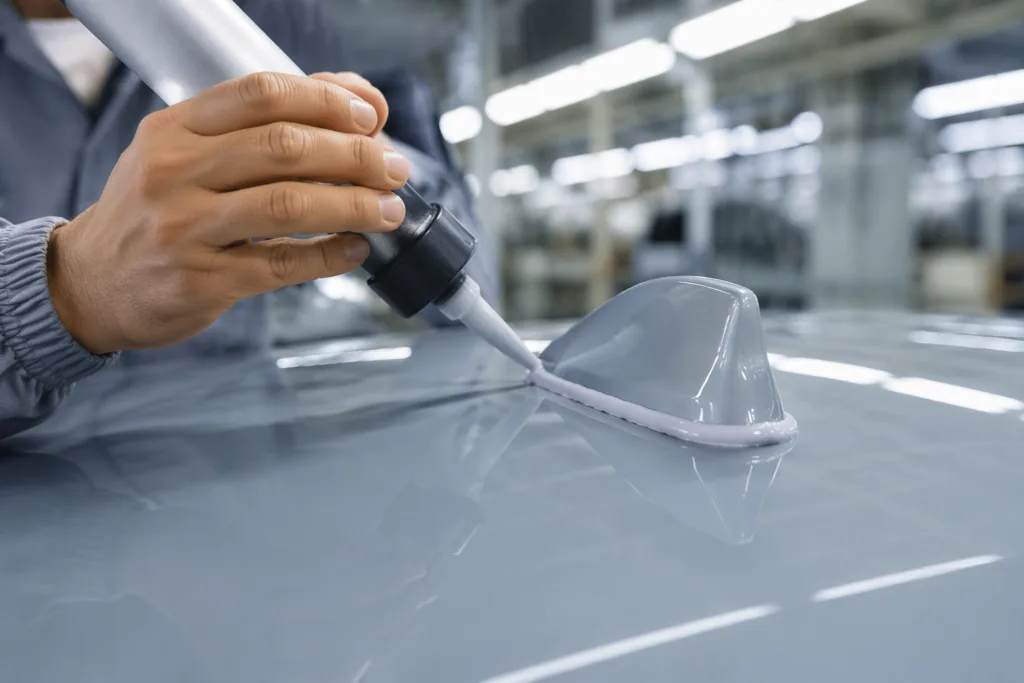
Outdoor antennas must withstand continuous exposure to water, vibration, and temperature cycling. Moisture intrusion is the number one enemy—causing internal corrosion, signal attenuation, and even short circuits. Common issues include:
- Water leaking through mounting holes or cable grommets
- UV degradation of seals
- Thermal expansion causing cracks
- Improper adhesive compatibility with plastics
Even a hairline gap can let dampness in, making sealing materials selection vital. Did you know that a single drop of water inside an antenna housing can reduce GPS accuracy by up to 60%?
Core Principles: Waterproof Sealing for External GPS/Shark Fin Antennas
For robust sealing, several principles guide material and method selection:
- Adhesion to Substrate: Match sealant to the antenna housing material (ABS, PC, PP, aluminum, composites).
- Flexibility: Allow for thermal movement. Rigid bonds often fail under vibration.
- Chemical Resistance: Endure fuels, oils, road salts.
- UV Stability: Prevent long-term cracking and yellowing.
- Non-Interference: Never block RF signals.
When in doubt, consult an adhesion expert or refer to bonding difficult plastics with primers for technique refinement.
Material Comparison: Silicone Sealants vs. Epoxy vs. Acrylic Adhesives
| Property | Silicone | Epoxy | Acrylic |
|---|---|---|---|
| Flexibility | Excellent | Limited | Moderate |
| UV Resistance | Excellent | Good | Fair |
| Bond to Plastics | Good (with primer) | Strong | Varies |
| Cure Time | 4–24 hours | 10–60 min (fast), up to 24h (slow) | Minutes |
| Waterproof Rating | IP67+ | IP68 | IP66–68 |
| Application Ease | Simple, forgiving | Precision required | Easy, fast |
Silicone sealants offer outstanding flexibility and weatherproofing, making them a popular choice for antenna gaskets and housing seams. Epoxy delivers structural strength but can be brittle if subject to vibration. Acrylic adhesives are fast and easy to use—best for quick repairs but less durable in harsh climates.
How Weatherproofing Enhances Antenna Performance
Waterproof sealing directly impacts the performance of GPS and shark fin antennas. Proper sealing:
- Maintains signal quality by blocking moisture
- Prevents corrosion of internal circuitry
- Extends device lifespan
- Reduces service calls and warranty claims
Weatherproofing is not just for rain. High humidity, frost, and pollution can degrade seals over time. Real-world tests (humidity aging, UV exposure, vibration cycling) show that a properly sealed GPS antenna retains 97% signal efficiency over 5 years compared to 31% for a poorly sealed rival.
Critical Sealing Areas on External Antennas
The most vulnerable spots include:
- Cable entry points
- Mounting holes and fasteners
- Gasket joints
- Housing seams
- Plastic-metal interface zones
Addressing these zones ensures all weak points are protected. For more tips on managing difficult surfaces, visit adhesion promoters for plastics.
Sealing Techniques: Best Practices for Reliable Waterproofing
A few proven techniques for achieving superior waterproof sealing:
- Apply a continuous bead around the entire joint
- Use a primer on low surface energy plastics like PP/PE
- Allow proper cure time; rushing leads to voids
- Test seal integrity with submersion or pressure methods
- Use mechanical fasteners for added compression—but never rely solely on them
If you’re working with advanced materials or layered constructions, consider plastic sealants for bonding and sealing techniques for water-exposed surfaces.
Selecting Sealing Materials Based on Environmental Conditions
Choose sealing products with specifications matching your application’s demands:
- For extreme climates: Use high-temp RTV silicones or corrosion-resistant epoxies
- For automotive use: Ensure sealants are fuel/oil resistant (such as polyurethane-based solutions)
- For marine or coastal areas: Opt for salt-resistant, UV-stable adhesives
- For rapid assembly: Two-part acrylic or hybrid adhesives speed up production
From ZDS Adhesive, an industrial adhesive manufacturer, assembly engineers often recommend lap shear and humidity aging tests before mass adoption. This ensures materials maintain mechanical strength and waterproofing beyond lab specs.
Installation Tips: Achieving a Durable Waterproof Seal
Preparation:
- Clean housing surfaces thoroughly—no oil, dirt, or fingerprints
- Use isopropyl alcohol as a final wipe
- Roughen plastics lightly to improve adhesion
Application:
- Follow recommended bead width and bond-line thickness
- Do not over-compress gaskets or adhesive lines—allow for some expansion
- Fixture time adherence is essential
Refer to manufacturer datasheets for exact working and open times.
Common Mistakes: Avoiding Pitfalls in Antenna Sealing
- Using rigid adhesives where flexible bonds are needed
- Skipping primer on low energy substrates
- Ignoring cure time, resulting in leaks or voids
- Applying sealant only from the outside—water finds its way inside
- Neglecting mechanical stress during installation
Document every sealing step for quality assurance. Tests like peel and lap shear give reliable feedback on bond performance.
Waterproof Sealing for External GPS/Shark Fin Antennas
This section focuses on real-world waterproof sealing for external GPS and shark fin antennas in cars, vans, trucks, and industrial vehicles. It draws from field experience, factory testing, and maintenance records:
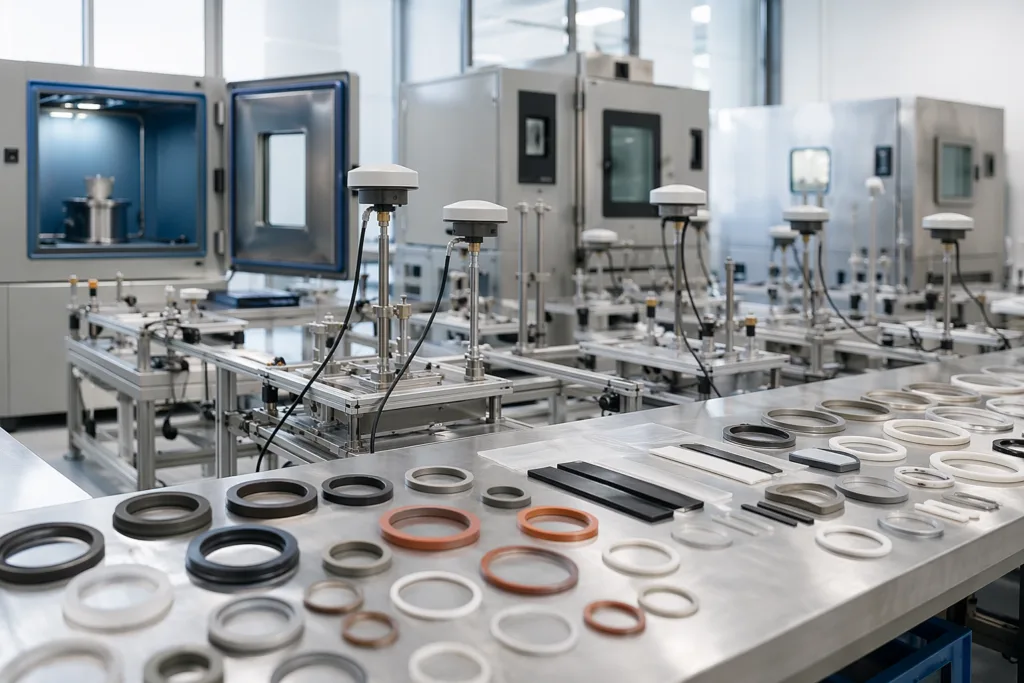
- Use only sealants rated IP67 and above for vehicle antennas
- Ensure all cables are either potted or fit with sealed grommets (never leave an open wire entry)
- Perform repair checks annually—UV and heat cause unforeseen micro-failures
Best practices consistently show that proper weatherproofing dramatically reduces signal loss and device replacements, saving time and cost across automotive fleets.
Case Studies: Antenna Sealing Success & Failures
Success: After switching from acrylic adhesives to silicone with primer, a major trucking company reported zero GPS failures over 3 winter seasons.
Failure: Skipping surface cleaning led a carmaker to recall 12,000 shark fin antennas—moisture ingress reduced navigation accuracy by 40%.
Testing and documentation prevent costly errors.
Test Methods for Waterproofing Effectiveness
- Submersion tests for leak detection
- Spray and humidity chamber aging
- Lap shear and peel tests for mechanical strength
- Thermal cycling to check bond resilience
Adopt these tests before mass production.
Signal Loss and Performance Monitoring
Measure antenna signal strength before and after installation. Look for:
- Sudden drops in dB levels pointing to water ingress
- Persistent GPS glitches or lag
- Deterioration after seasonal weather changes
Keep a performance log—early detection saves expensive repairs.
Durability and Longevity: How Waterproof Sealing Prolongs Device Life
A sealed antenna avoids corrosion, minimizes electronics repair, and keeps vehicles on the road longer. The cost of resealing is far less than replacing antennas. Compare the lifespan with proper sealing (5+ years) versus poor sealing (often less than 2 years).
Selecting the Right Sealant for Different Antenna Types
| Antenna Type | Recommended Sealant | Special Tips |
|---|---|---|
| GPS (plastic housing) | RTV silicone, primer | Ensure primer compatibility |
| Shark fin (metal-plastic) | PU adhesive or silicone | Test for UV resistance |
| Marine/weatherproof | Epoxy/PU hybrid | Check salt water rating |
Refer to application guidelines for best results. More tips at non-toxic waterproof sealant selection.
Environmental Impact and Safety in Sealant Selection
Choose eco-friendly, low-VOC products when possible. Modern adhesives can balance performance and safety—look for certifications such as RoHS, Reach, VOC-free labels. Safe handling reduces risk in production and field repairs.
Expert Thoughts from the Field: ZDS Adhesive Insights
From an assembly-line viewpoint at ZDS Adhesive, lap shear strength above 1.5 MPa and peel resistance over 3 N/cm are considered minimum baseline for GPS/shark fin applications. If substrates cannot be bonded with standard adhesives, use plasma or corona treatment to raise surface energy. Always document fixture time, pot life, and cure temperature.
Maintenance Tips: Keeping Waterproof Seals Intact
- Inspect seals visually every 12 months
- Retouch degraded gaskets or sealant beads
- Keep a log of reapplication intervals
A proactive approach saves major replacement costs.
Regulatory Standards for Antenna Waterproofing
Automotive antennas must comply with IP67/IP68, OEM requirements, and regional environmental standards. For professional installs, follow ISO, SAE, and manufacturer guidelines on sealant selection and testing.
Summary Table: Key Rules for Waterproof Sealing
| Rule | Why it Matters |
|---|---|
| Clean surfaces before sealing | Ensures high adhesion and water resistance |
| Use primer for low-energy plastics | Boosts bond strength and durability |
| Allow full cure time | Prevents leaks and voids |
| Test seals with water/pressure | Confirms no leaks before deployment |
| Document processes and materials | Enables traceability and QA |
Conclusion: Practical Takeaways and Forward-Looking Insights

Waterproof sealing for external GPS/shark fin antennas isn’t complicated—but it does require attention to detail and the right materials. Match sealant to substrate and environment, follow best practices, and verify results with real-world tests. These steps keep connectivity strong, devices reliable, and fleets on the road longer. Automotive electronics will only get tougher, so keep your sealant choices ahead of the curve.
Frequently Asked Questions
How do I know if my antenna needs resealing?
If you notice water stains, reduced signal strength, or visible cracks in the gasket or sealant, it’s time to inspect and potentially reseal your antenna.
Can I use household silicone to seal antenna joints?
It’s better to use industrial-grade RTV silicone rated for exterior and automotive use, as household silicones may not withstand UV or temperature extremes.
Does waterproof sealing affect signal transmission?
Proper sealants are designed not to interfere with RF signals. Avoid metal-filled or conductive adhesives near antennas to ensure performance.
What’s the best way to seal cable entry points?
Use potted grommets or apply a bead of sealant around the cable, ensuring a continuous and flexible barrier against moisture.
How often should waterproof seals be checked?
Annual inspections are recommended. After extreme weather or vehicle repairs, check seals more frequently to prevent leaks.
Are eco-friendly sealants strong enough for automotive antennas?
Modern eco-friendly, low-VOC sealants can achieve industrial-grade waterproofing if correctly matched to the substrate and given full cure time.
Related Reading
- Discover Technical Packaging Adhesives for Reliable Food and Carton Sealing
- Unlock Durable Robot Vacuum Bumper Bonding for Long-Term Performance
- Stop Camera Lens Fogging with Low Outgassing Adhesives
- Achieve Superior Shock and Heat Resistance with Rubber Toughened CA Glues
- Explore High-Temp RTV Silicones for Extreme Metal Applications