Introduction: Gel vs. Liquid CA — Making Vertical Bonds Stick
When it comes to vertical bonding challenges, few solutions match the reliability of cyanoacrylate adhesives (CA). But not all CAs are created equal: gel and liquid forms each bring unique strengths to the table. If you’ve ever wondered which type to grab for a vertical surface or overhead repair, or how to avoid messy drips and weak holds, this guide delivers the answers. Here, we break down the key differences, share practical user experiences, and arm you with actionable advice for selecting the right adhesive—no guesswork needed.
Understanding Cyanoacrylate Adhesives: The Fundamentals
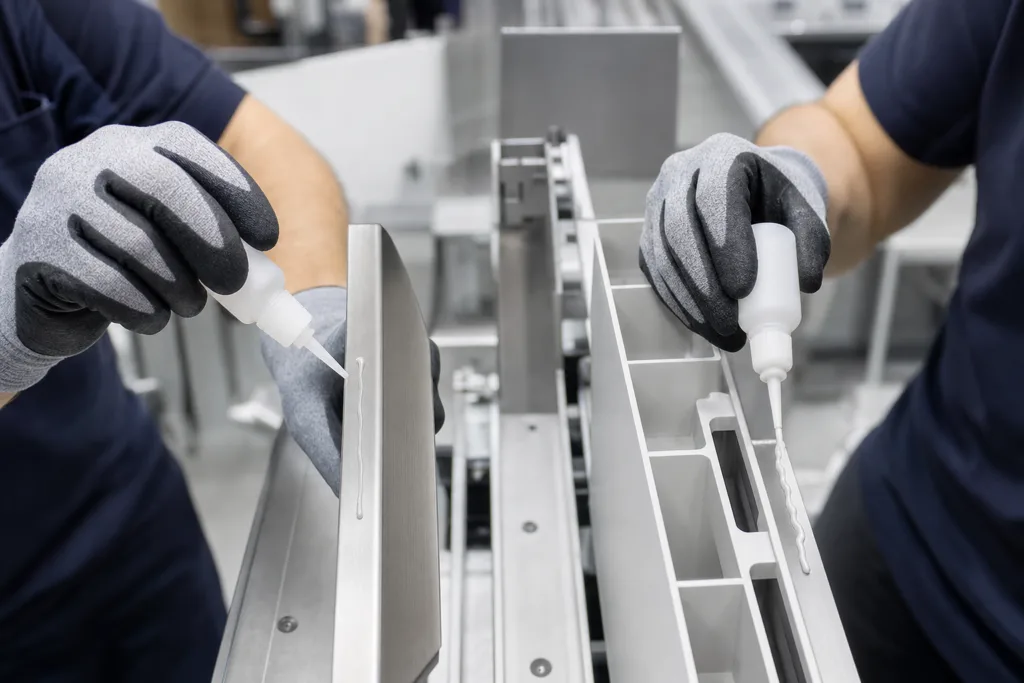
Cyanoacrylate adhesives, commonly known as super glues, are fast-bonding, one-part adhesives ideal for instant sticking. They work by reacting with moisture on surfaces to form strong polymer chains. Gel and liquid CA variants share this chemistry, but their physical forms—driven by their viscosity—lead to different behaviors on vertical and overhead applications.
What Is Liquid CA?
Liquid CA is the traditional, low-viscosity form of cyanoacrylate. It flows easily and wicks into tight joints, making it perfect for precision bonding. However, gravity works against it on vertical surfaces—runoff and drips are common.
What Is Gel CA?
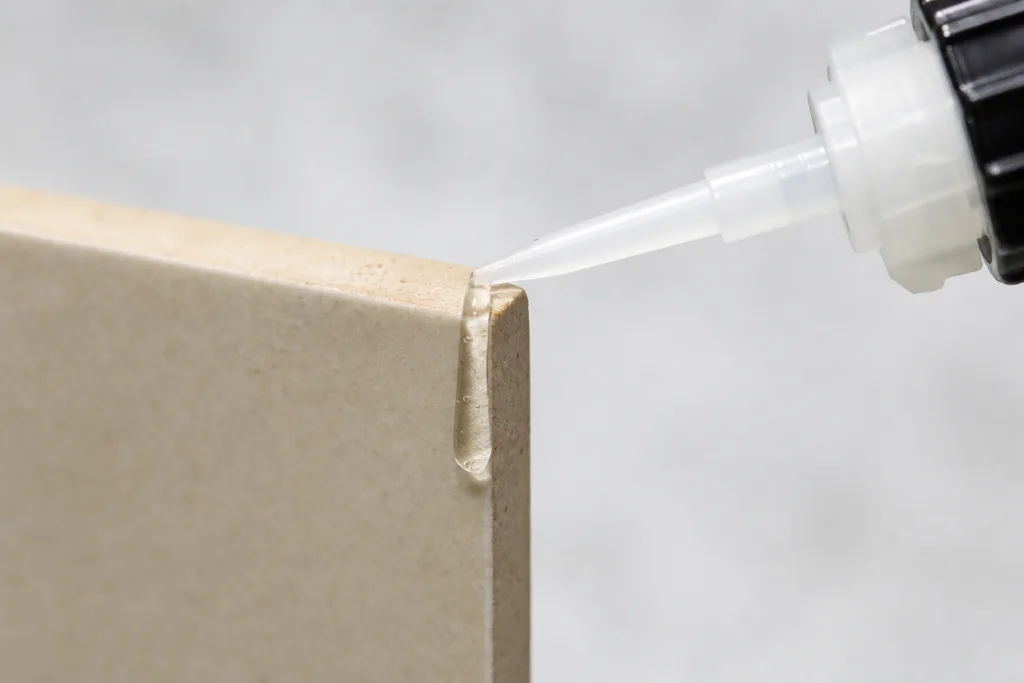
Gel CA contains thickeners to increase viscosity, turning it into a non-flowing, paste-like substance. This makes it well-suited for vertical holds and filling small gaps. The trade-off? Slightly slower cure times compared to liquid CA. Still, many find the control and mess-free application outweigh the minor delay.
The Science of Viscosity: Why It Matters in Vertical Bonding
Viscosity describes a liquid’s resistance to flow. In the case of cyanoacrylates, higher viscosity translates to less movement after application. For vertical or overhead bonding tasks, this property is everything. Gel CAs, with their higher viscosity, stay put—minimizing sag and drip. Liquid CAs, while excellent for capillary action and flush joints, can slide down walls or bead up before curing in upright situations.
Viscosity at a Glance
| Adhesive Type | Viscosity Range (cP) | Best Uses |
|---|---|---|
| Liquid CA | 2 – 300 | Capillary gaps, tight fits, flush surfaces |
| Gel CA | 500 – 1000+ | Vertical surfaces, porous materials, gap filling |
Setting Time and Fixture Strength: What to Expect
Both gel and liquid CAs are prized for their speed. However, there’s a notable difference in practical fixture times. Liquid CAs can set in as little as 5-15 seconds, while gels usually require 20-60 seconds to reach handling strength. Environmental conditions—such as humidity and substrate porosity—also play a role. Explore more about fixture times under high temperatures here.
Humidity and Temperature Effects
Bonding times can increase in extremely dry or cold environments. For both gel and liquid variants, using a small amount of moisture primer accelerates curing, especially when bonding non-porous or acidic surfaces like glass or some plastics.
Bond Strength: Gel vs. Liquid CA in the Real World
In vertical applications, many users report higher actual bond strength with gel CAs—not because the chemistry is stronger, but because the adhesive stays in place long enough to fully cure at the joint surface. Liquids risk moving or dripping, which can thin out the adhesive line and create weak spots.
Performance Across Materials
- Metals: Both forms achieve high strength, but gel CAs allow time for repositioning before set.
- Plastics: Gels fill rough or porous edges better; liquids are ideal for polished or machined fits.
- Ceramics/Glass: Gels limit drips on smooth, upright faces and resist sagging.
Controlling Mess and Reducing Waste in Application
Sticky fingers, wasted product, and unsightly streaks are common frustrations with conventional liquid CAs. Gel variants shine in these situations, offering precise placement even when working above head height or on intricate assemblies. A top tip from production lines is to use precision dispensing equipment for consistent results—especially in repetitive assembly tasks.
Gel vs. Liquid CA: Vertical Bonding Solutions
Matching the right CA to the task is crucial. For most upright scenarios, gel CAs are a go-to choice—they’re less likely to drip and can fill small gaps, which helps avoid weak bonds caused by imperfect fits. But for thin, close-fitting assemblies where runs are not an issue, liquid CAs win for sheer speed.
Case Study: Assembly Best Practices
From an assembly-line viewpoint at ZDS Adhesive, an industrial adhesive manufacturer, successful vertical bonding often follows a three-step rule: 1) Pre-fit and clean parts, 2) Use gel CA for uneven, porous, or vertical joints, 3) Apply pressure for 30-60 seconds for initial set, then allow full cure before loading. Testing shows that skipping the pressure or using liquid CA on a vertical joint results in at least 15% more bond failures.
Choosing Between Gel and Liquid CA: Pro Tips
- Use Gel CA When:
- Working above head or on upright walls
- Bonding porous, rough, or gap-prone surfaces
- You need more open time to position parts
- Controlling mess is a top priority
- Use Liquid CA When:
- Joining tight, flat fits where capillary action helps
- Speed is critical and control of runs is less important
- Small, intricate assemblies benefit from fast wicking
Environmental and Safety Considerations
Modern CAs, especially gels, include formulations that reduce blooming (the white frost sometimes seen around bonds) and harsh odors. Always wear gloves, keep adhesives off skin, and use in a well-ventilated area. Specialty low-odor and low-blooming variants are available for sensitive environments—see this guide to low blooming CA glue chemistry for cleaner results.
Common Use Cases: How the Pros Decide
- Repairing wall trim or skirting: Gel CAs avoid running over vertical surfaces
- Mounting brackets or hooks: Gels fill the gap behind uneven tiles or plaster
- Electronics and displays: Liquids for precise parts, gels for larger, vertical modules
- Instant assembly on production lines: Liquids for speed, gels for reliability over time
User Experiences and Expert Recommendations
Professional assemblers often keep both gel and liquid CA on hand, switching depending on orientation and material. Hobbyists and repair techs cite reduced cleanup and fewer bond failures as reasons to favor gels for vertical projects. Industry tests—including lap shear and peel strength on upright joints—confirm that, for vertical bonding, gel CAs consistently outperform liquids in achieving reliable, full-contact bonds.
Summary Table: Gel vs. Liquid CA for Vertical Bonding
| Feature | Gel CA | Liquid CA |
|---|---|---|
| Viscosity | High | Low |
| Use on Vertical Surfaces | Excellent | Poor to Moderate |
| Setting Time | 20-60 seconds | 5-15 seconds |
| Bonding Strength (Vertical) | High | Can be Lower (due to sagging) |
| Mess Control | Very Good | Poor |
| Gap Filling | Good | Limited |
Practical Tips for Flawless Vertical Bonding
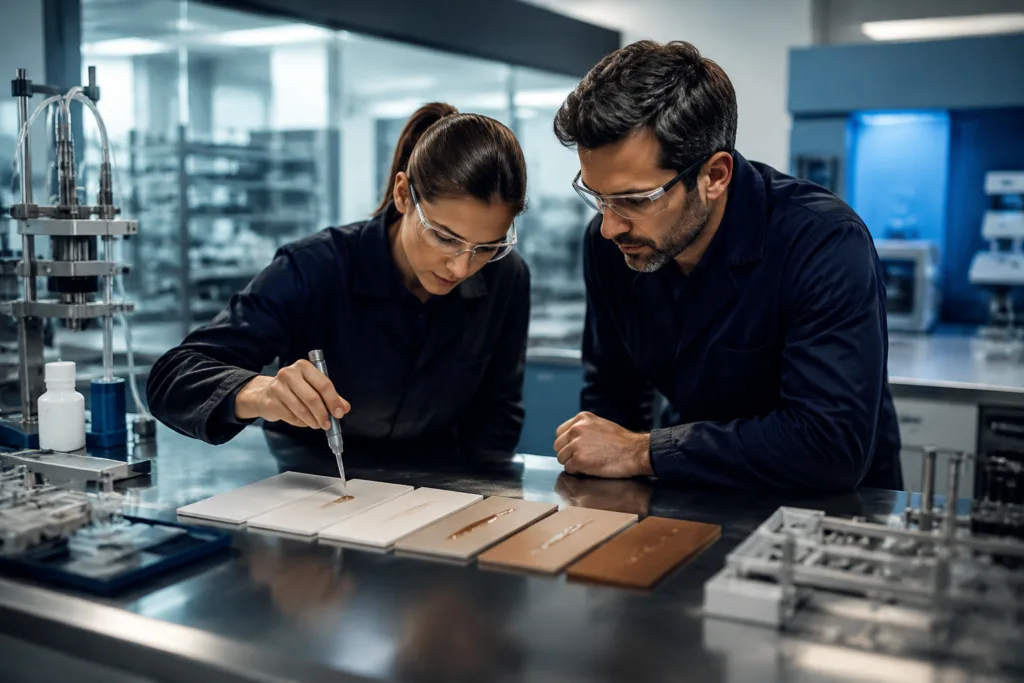
- Test bond on a scrap piece if possible
- Degrease and dry all surfaces thoroughly before application
- Apply adhesive in small, controlled amounts
- Hold or fixture parts during set time
- Protect nearby surfaces from squeezes or drips
Advanced Topics: Gap Filling and Structural Applications
For larger gaps or semi-structural bonds, certain gel CAs are modified with rubber for extra shock and thermal resistance. If your vertical application sees heavy vibration or temperature swings, inquire about rubber-toughened instant adhesives. Our in-depth examination of rubber-toughened CA for shock and heat is essential reading for high-performance needs.
Troubleshooting: Preventing Weak or Messy Vertical Bonds
- Bond fails quickly: Check for contamination or improper surface prep; increase adhesive amount or switch to gel form
- Adhesive runs or drips: Use gel CA or apply less product per application
- Blooming (white residue): Improve ventilation, reduce product amount, or use a low-blooming CA variant
Conclusion: Making the Right Choice Every Time
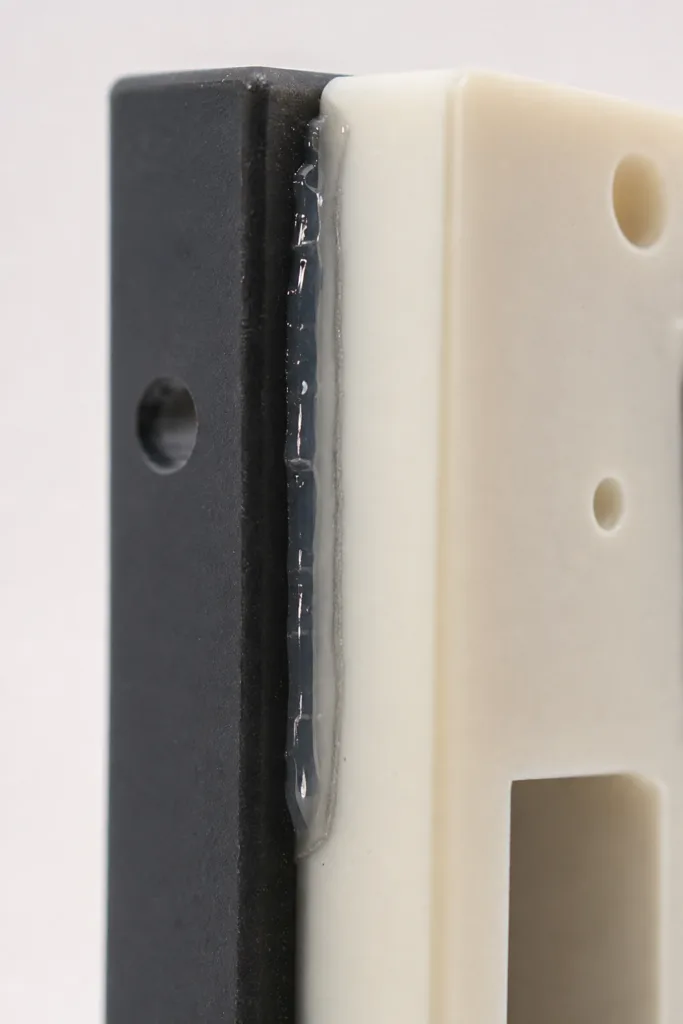
Choosing between gel and liquid cyanoacrylate adhesives is simple when you focus on orientation, substrate fit, and application speed. For vertical and overhead projects, gel CAs deliver cleaner, stronger, more reliable bonds—especially on uneven or porous materials. Liquid CAs excel in tight, rapid assembly. Keep your toolkit stocked with both to tackle any project with confidence.
Frequently Asked Questions
Which type of cyanoacrylate is best for vertical surfaces?
Gel cyanoacrylate adhesives are best for vertical surfaces due to their high viscosity, which reduces sagging and mess while providing excellent gap-filling capabilities.
How can I speed up the curing of gel CA?
Increasing humidity or using a dedicated CA activator can accelerate curing. Also, keeping surfaces clean and slightly moist helps the adhesive set faster.
What materials can be bonded vertically with gel CA?
Gel CA works on metals, ceramics, plastics (including many challenging types), wood, and porous substrates. Always degrease and dry surfaces for best results.
Does gel CA provide the same strength as liquid CA?
On vertical joints, gel CA often provides equal or better strength compared to liquids because it stays in place, fills gaps, and cures fully at the interface.
Are gel CAs more resistant to vibration and shock?
Some gel CAs are rubber-toughened for improved shock and vibration resistance, making them ideal for structural applications exposed to regular movement.
What’s the main downside of using liquid CA on vertical surfaces?
Liquid CA may run or drip on vertical surfaces, leading to messier applications and potentially weaker bonds due to adhesive migration before full cure.
Related Reading
- Medical vs. Industrial CA: What Sets Them Apart in 2026?
- Unlock Rapid Bonding: Activators for Faster CA Cures
- Flexible Instant Adhesives: The Game-Changer for Soft Materials in Modern Manufacturing
- Reliable Bonding on POM & PTFE: Expert Priming Tips
- Master Clean Application: Setting Up Dispensing Machines for CAs, Epoxies & More