Understanding Rubber Toughened CA: Shock & Heat Resistance
Rubber toughened cyanoacrylate adhesives are fast-bonding super glues engineered for environments where standard adhesives would crack or fail. These formulations blend powerful cyanoacrylate chemistry with rubber particles, dramatically improving performance where high impact, vibration, and shifting temperatures threaten bond integrity. Let’s explore exactly how rubber toughening transforms adhesive durability and see why engineers are using these products for modern, high-stress applications.
The Fundamentals of Cyanoacrylate Adhesives
Cyanoacrylate adhesives, commonly known as “super glue,” have long been valued for their rapid bonding and high strength on a wide range of substrates. These adhesives cure in seconds when exposed to moisture, producing a hard, rigid bond line. However, that rigidity can be a weakness—bonds often fail under shock, repeated impact, or expansion/contraction from temperature changes. Traditional cyanoacrylates are best for applications with minimal flex or movement.
Why Rubber Toughening Changes Everything
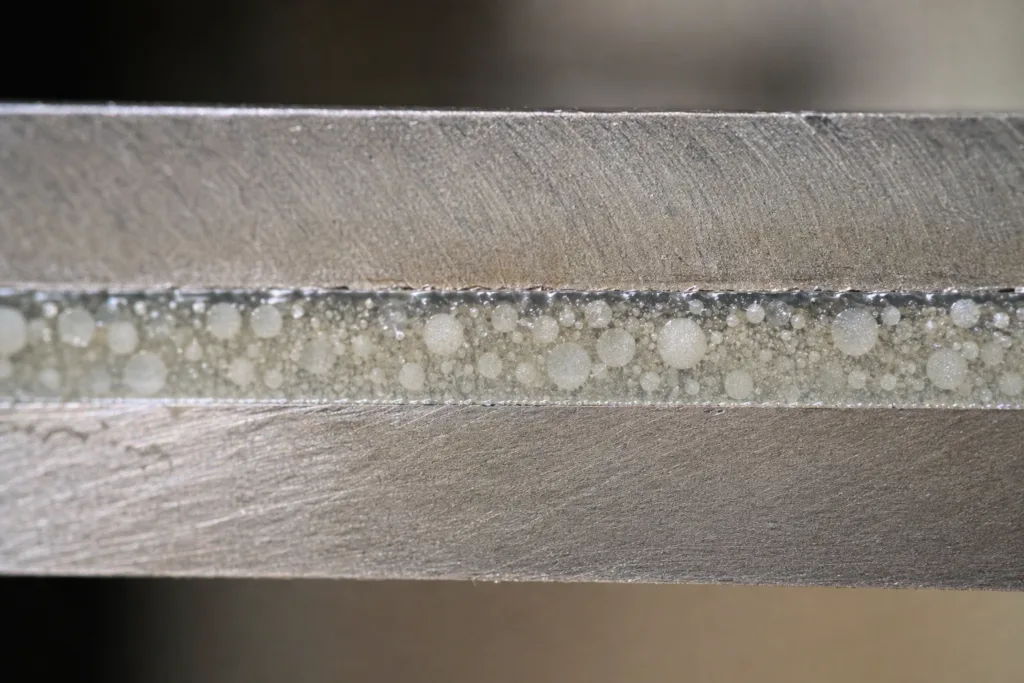
Rubber toughened cyanoacrylates incorporate tiny rubber particles into the glue matrix, creating a more flexible, impact-absorbing network. When stress, vibration, or sudden impacts occur, the rubber domains dissipate force throughout the bond line, helping prevent cracking or sudden bond failure. This innovative modification means that rubber toughened CA adhesives can bridge the performance gap where ordinary super glues fall short.
How Rubber Particles Enhance Adhesive Performance
The key behind improved shock and heat resistance of rubber-toughened cyanoacrylate lies in its microstructure. Embedded rubber microdomains act as stress relievers, while the cyanoacrylate matrix maintains fast setting and chemical strength. Such a combination gives you:
- Higher impact toughness
- Improved flexibility for vibration resistance
- Resistance to thermal cycling and temperature fluctuations
- Less sensitivity to peel and cleavage stresses
This toughness is why industries with repeated mechanical shocks or harsh assembly processes benefit from switching to rubber toughened CA.
Comparing Standard and Rubber Toughened Cyanoacrylates
| Property | Standard Cyanoacrylate | Rubber Toughened CA |
|---|---|---|
| Shock Resistance | Low–Medium | High |
| Heat Resistance | Up to 80°C | Up to 120°C |
| Flexibility | Rigid | Semi-flexible |
| Bond Strength | High (in static) | High (in dynamic) |
When flexibility and endurance against impact or vibration are critical, rubber toughened variants always outperform their classic cousins.
Key Performance Metrics: Shock and Heat Resistance Explained
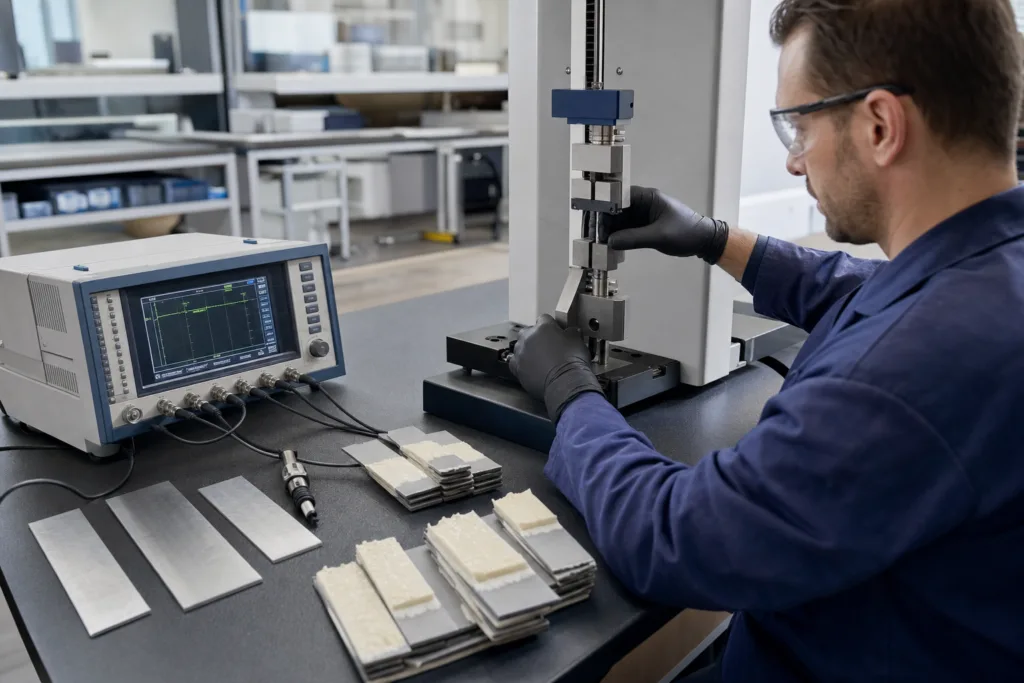
Shock resistance is measured using impact or shear tests, simulating sudden forces as might occur during drops or mechanical collisions. Rubber toughened CAs typically reach impact values twice or three times higher than standard formulas. As for heat resistance, critical failure temperatures increase—making these adhesives ideal for items exposed to heat from electronics, metal parts, or outdoor use. For more details on thermal performance in adhesive systems, refer to Thermal Conductive Adhesives: 7 Essential Rules for Heat Management in Electronic Assemblies.
Practical Example: Metal to Metal Bonding
Consider an automotive sensor with metal casings. Under vibration, heat, and repeated impact, standard CA adhesives risk microcracks and bond failure. Switching to a rubber toughened cyanoacrylate dramatically improves reliability. One electronics OEM reported their failure rate dropped from 5% to less than 0.5% after adoption—a significant margin for mass production.
Applications in Electronics and Metal Assembly
Rubber toughened CAs are now favored for:
- Metal electronic housings
- Automotive sensors and brackets
- Vibration-prone radar and camera mounts (7 Ways to Ensure Vibration Resistant Bonding for Radar Brackets in 2026)
- Medtech assembly with dynamic loads
- Outdoor surveillance devices facing thermal cycling
Their ability to maintain bonds between metals, plastics, and mixed materials in tough conditions is a game-changer.
Heat Cycling and Extreme Environments
Thermal cycling—repeated exposure to hot and cold—causes expansion and contraction at the bond line. Standard adhesives often shrink, harden, or form micro-cracks. Rubber toughened CAs absorb that movement, maintaining integrity for much longer—even after 1,000+ cycles from -40°C to +120°C. Industries such as aerospace, rail, and outdoor energy infrastructure are rapidly adopting these formulas for this feature alone.
Case Study: Smart Speaker Assembly
A leading smart device manufacturer faced frequent failures in their metal speaker housings during drop tests. After switching to a premium rubber toughened CA, drop resistance improved by 45% and internal rattling was virtually eliminated. Discover more smart speaker assembly strategies in 7 Expert Ways Acoustic Sealing Elevates Smart Speaker Assembly in 2026.
Mechanisms: How Rubber Toughened CA Absorbs Shock
The science is all in the glue’s structure. When a shock is applied, the dispersed rubber particles stretch and contract, “bleeding off” energy that would otherwise be concentrated at the rigid cyanoacrylate interface. This means less cracking, especially at weak spots like bond edges or notches. The CA matrix provides adhesive strength; the rubber introduces resilience.
Comparison Table: Where Each Adhesive Excels
| Application | Standard CA | Rubber Toughened CA |
|---|---|---|
| Electronic device cases | ✓ | ✓✓✓ |
| High vibration | ❌ | ✓✓✓ |
| Thermal cycling | ✓ | ✓✓ |
| Metal/metal bonding | ✓ | ✓✓✓ |
| Plastic/rubber parts | ✓ | ✓✓ |
Tips for Selecting the Right Rubber Toughened CA
Choosing the right formula depends on several factors:
- Substrate compatibility (metal, plastic, composite, rubber)
- Operating temperature range
- Expected vibration or impact loads
- Open/fixture time constraints
- Regulatory or safety requirements (e.g. low blooming, low odor)
Product trials and small batch testing are always advisable before committing production-scale changes. For deeper insight on low blooming, consider Low Blooming, Low Odor Super Glue Chemistry: 7 Reasons to Switch for Cleaner Bonds.
Real-World Testimonial: Electronics Manufacturer
“After countless board failures during drop and heat cycling, we transitioned to a rubber-toughened CA. Reliability soared, and returns dropped nearly 4x. We now specify it for any assembly going into our ruggedized consumer gear.”
Limitations and Considerations
Even the best rubber toughened CA adhesives won’t solve every problem. They are not designed for very thick bond lines or for filling large gaps. Extreme chemical exposures or constant water immersion may also require specialty adhesives, such as epoxies or polyurethanes. Selection requires an understanding of mechanical, chemical, and environmental demands.
Optimizing Joint Design for Tougher Bonds
Proper joint design (lap joints, scarf joints) harnesses the full power of rubber toughened formulations. Wide, even bond lines spread out stresses; sharp corners and gaps should be avoided if possible. When joining low-energy plastics like PP or PE, surface pre-treatments—such as primers or plasma—can be essential for attaining reliable strength. For reference, see How Adhesion Promoters Improve Bonding on PP, PE, and Other Low Surface Energy Plastics.
Assembly-Line Insights from ZDS Adhesive
From an assembly-line viewpoint at ZDS Adhesive, an industrial adhesive manufacturer, we typically recommend rubber toughened CA in these situations:
- Dynamic shear and impact stresses
- Substrates exposed to thermal cycling between -40ºC and 120ºC
- Applications where a single, rapid cure cycle is desired
- Parts requiring immediate handling or subsequent processing
Best practices include pre-cleaning, correct bond line thickness (usually 0.05–0.15 mm), and controlling environmental humidity for optimum cure speed. Where test requirements call for peel, lap shear, or long-term humidity aging, documented protocols improve traceability and root-cause analysis if failures occur.
Industry Trends: Why Adoption Is Accelerating
With miniaturized electronics, lightweighting in automotive/aerospace, and rapid-cycle assembly lines, demand for toughened CA adhesives keeps rising. Their ability to adapt to all these trends—fast cure, easy use, long-term durability—makes them one of the few chemistries trusted at both the design and production levels in 2026.
The Future of Rubber Toughened Cyanoacrylates
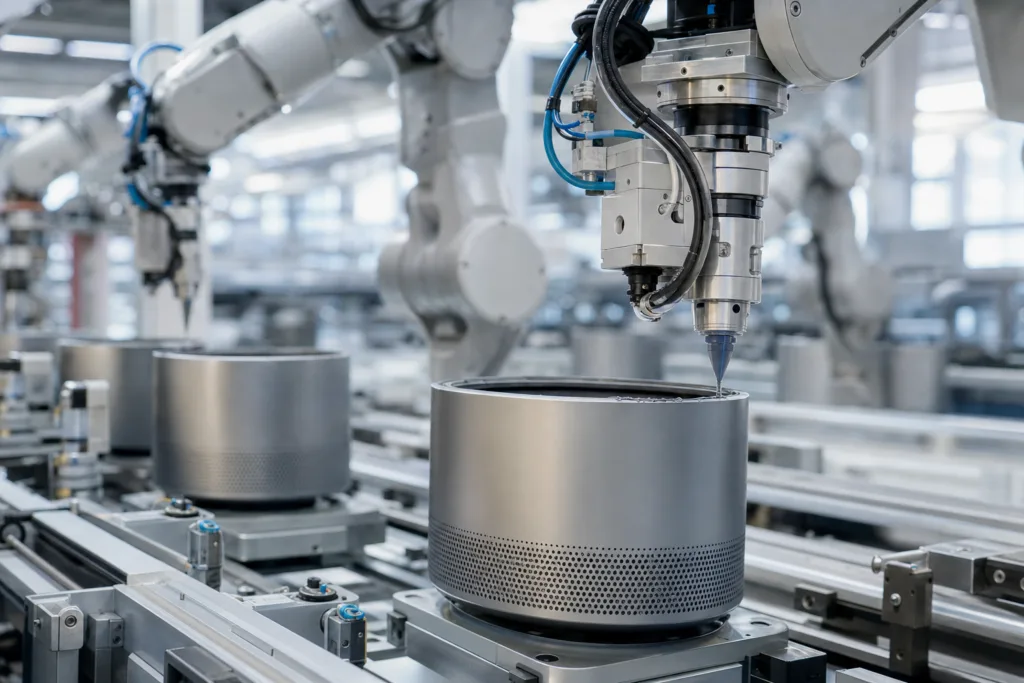
As research unlocks finer rubber dispersion, even higher temperature stability, and lower blooming properties, new rubber toughened CA formulations will continue pushing boundaries. Their synergy with automated dispensation and precise manufacturing makes them a cornerstone for quality-driven sectors worldwide.
Rubber Toughened CA: Shock & Heat Resistance
To summarize, rubber toughened cyanoacrylate adhesives provide a leap forward for anyone needing fast, flexible, and robust bonds that endure impact and heat. Whether for intricate electronics or tough metal assemblies, their unique composition offers a balance few other adhesives can match. The right choice, applied under real-world constraints and good assembly practice, delivers reliability you can count on.
Frequently Asked Questions
What makes rubber toughened cyanoacrylate different from regular super glue?
Rubber toughened cyanoacrylate contains dispersed rubber particles, which make the cured bond line semi-flexible and far more impact resistant. Standard super glue forms a rigid, brittle join that is prone to cracking under stress.
Can rubber toughened CA adhesives withstand high temperatures?
Yes, these adhesives typically resist temperatures up to 120°C, with some premium formulas going even higher, depending on the application. Always check product datasheets for precise limits.
Which industries benefit most from rubber toughened CA?
Electronics, automotive, aerospace, medical devices, and industrial assembly all use rubber toughened CA for their ability to resist vibration, shocks, and temperature cycling.
Are these adhesives safe for use on plastics?
Rubber toughened CAs bond many plastics well, but care is needed on low-energy substrates like PP or PE. Surface treatment or a compatible primer may be required for optimal adhesion.
How should I prepare surfaces for the best results?
Ensure surfaces are clean, dry, and free from oil or dust. When bonding problem plastics, consider using a primer or adhesion promoter to maximize reliability.
Do rubber toughened CAs cure as quickly as regular super glue?
Cure times are typically similar—ranging from seconds to a minute—though large volumes or low humidity can slow the process slightly. Always follow the manufacturer’s application guidelines for optimal results.